
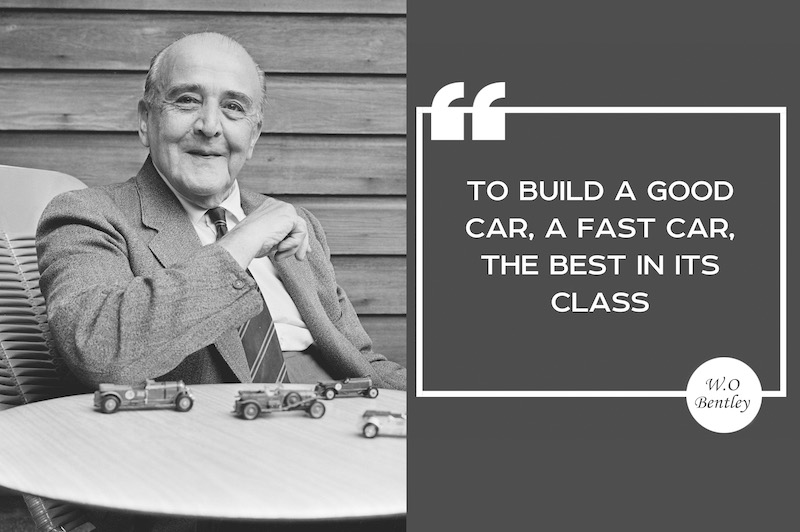
In just twelve years, from 1919 to 1931, Bentley Motors rose from obscurity to international fame, creating a legend in the automotive world. Five-time winner of the 24 Hours of Le Mans (1924, 1927, 1928, 1929 and 1930), the Bentley brand dominated endurance racing in the late 1920s.
The reputation of the brand’s cars was based on their endurance and reliability, qualities initiated by ‘W.O.’ Bentley (Walter Owen Bentley, the company’s eponymous founder, invariably referred to by his initials rather than his first and last names). His legend would later be associated not only with his own brand, but also with Lagonda, Aston Martin and Armstrong-Siddeley, securing him an important place in British and global automotive history.
Born in 1888 as the youngest of nine siblings, W.O became an apprentice at Great Northern Railway Works in Doncaster between 1905 and 1909. The purpose of this apprenticeship was to design and build complex railway ‘machines’.
While still working for the railway, W.O. bought himself a Quadrant motorcycle and, along with two of his brothers, threw himself enthusiastically into racing, practising on the roads early in the morning when police speed traps weren’t operating. In 1907, he took part in the London-Edinburgh trial and, although he broke down just outside Edinburgh, managed to repair the bike and finish in time to qualify for a gold medal. Further golds followed in the London-Plymouth and London-Land’s End trials in 1908.
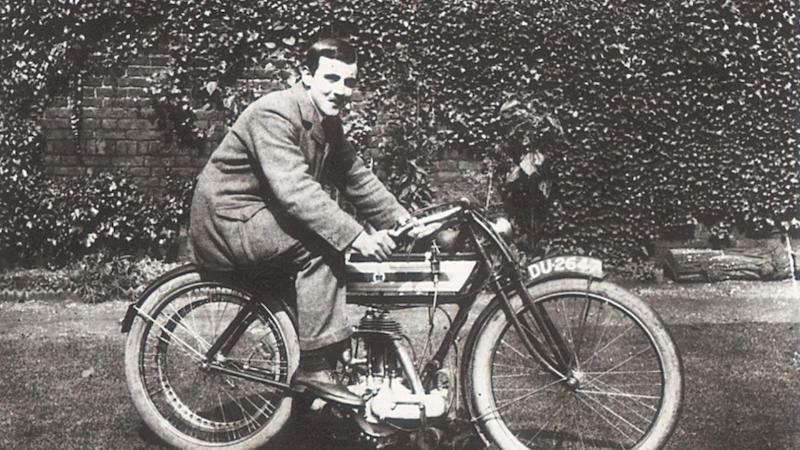
As his love of racing grew, W.O. became more and more skilled at refining engine performance, with his modifications to a Speed model Rex so successful they were taken up by the official Rex team.
After his apprenticeship W.O. then joined King’s College London to study engineering. After a year or so, he took a job with the National Motor Cab Company in Hammersmith, London, and found himself in charge of the maintenance and operation of its ultimately 500-strong fleet of Unic taxi cabs. W.O. was fascinated by the cabbies’ ingenuity at fiddling the meters!
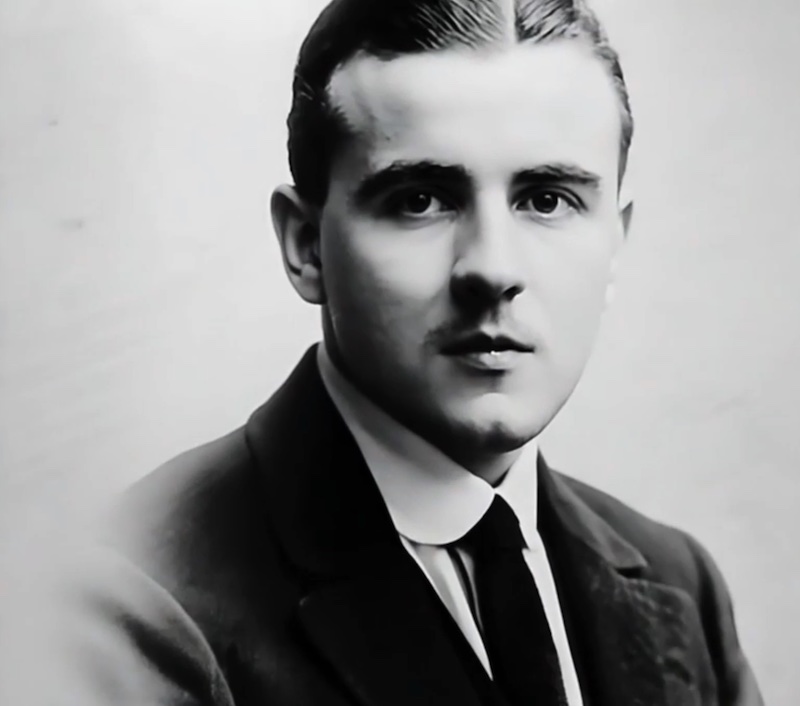
When his mother died he used £2,000 of inheritance money to buy into a London-French car concessionaire company, Lecoq & Fernie. Their favoured French marque was Doriot, Flandrin et Parent – DFP. The cars were quick, and well made, but W.O. found Lecoq an abrasive individual as did his brother Horace Milner Bentley – better-known as just ‘H.M’. In 1912, the two Bentley Boys joined forces, H.M. put in his own £2,000 to buy out Lecoq and Fernie’s shares and – aged 24 and 27 – the boys restyled the company as ‘Bentley & Bentley’, taking over the showrooms in Hanover Street, London. H.M. took care of sales and business while W.O. handled technical matters, preparation and service. Dissatisfied with the performance of the DFPs, but convinced that success in competition was the best way to market them, W.O. sought new ideas.
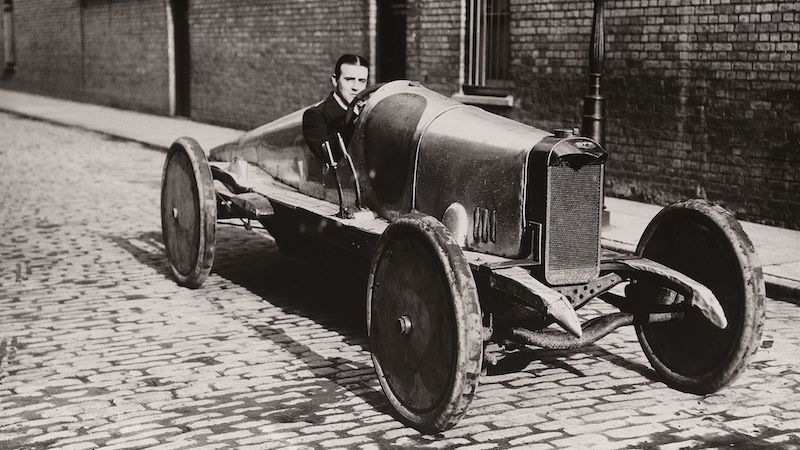
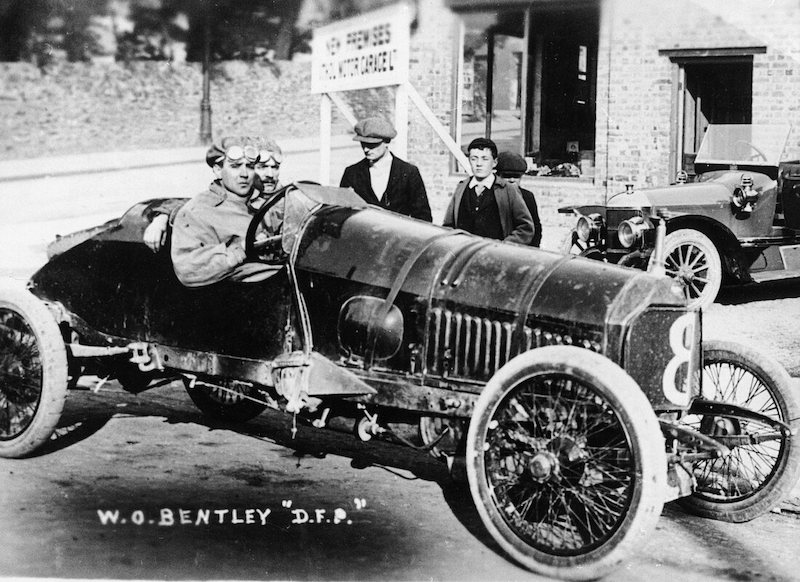
During a visit to the DFP headquarters in Courbevoie, France, W.O. noticed ‘a small decorative piston made of an aluminium alloy’ on a shelf. It was clearly a gift to DFP as a paperweight, a souvenir left by the company that did their foundry work. That’s when he had a stroke of genius! W.O. thought that this lightweight material could be used to make better pistons than those made of steel or cast iron. To add strength and stop it from melting at high temperatures, he experimented with creating a new alloy at a foundry, finally settling on a formula of 88% aluminium and 12% copper. His curiosity paid off: a few months later, a DFP equipped with aluminium alloy pistons and a modified camshaft went on to set several records at Brooklands. Significant progress was then made between 1913 and 1914.
The First World War halted W.O.’s progress, but while serving as a captain in the Royal Naval Air Service’s technical department, he ended up playing a major role in the design, manufacture and improvement of Pierre Clerget engines for the Sopwith Camel and Sopwith Snipe aircraft.
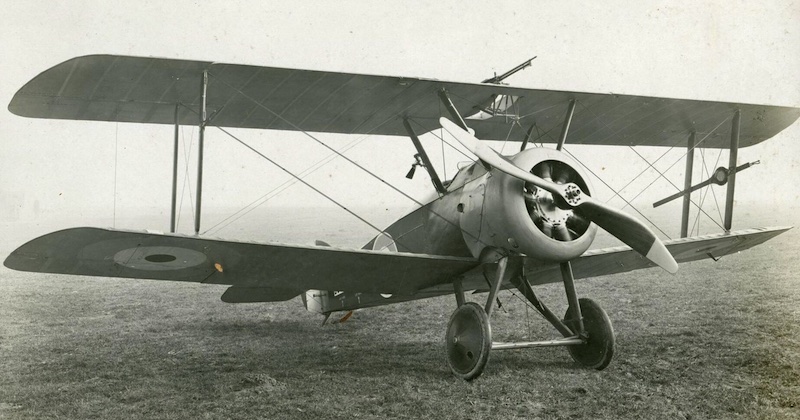
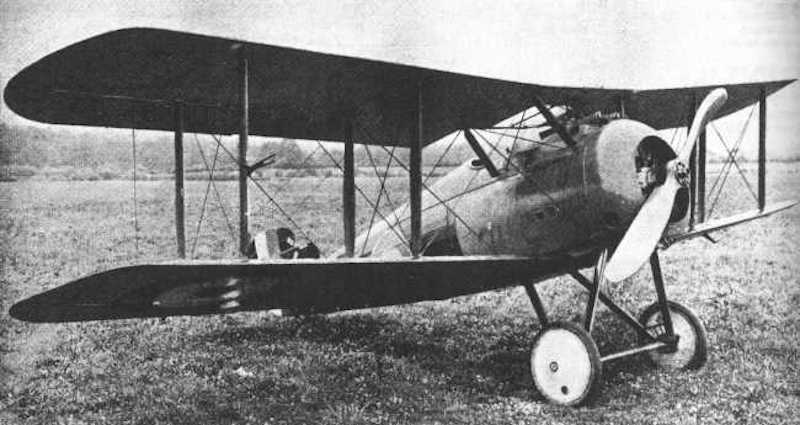
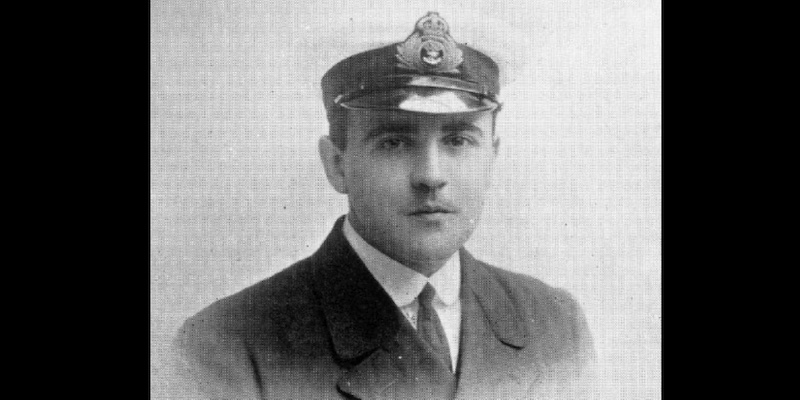
He revisited and improved his idea of using aluminium pistons in cars for a new type of aircraft engine. While on secondment to the Humber company, W.O. met Frederick ‘Fred’ Tasker Burgess, a talented engineer who had designed (and driven one of) the 1914 TT Humber racing cars.
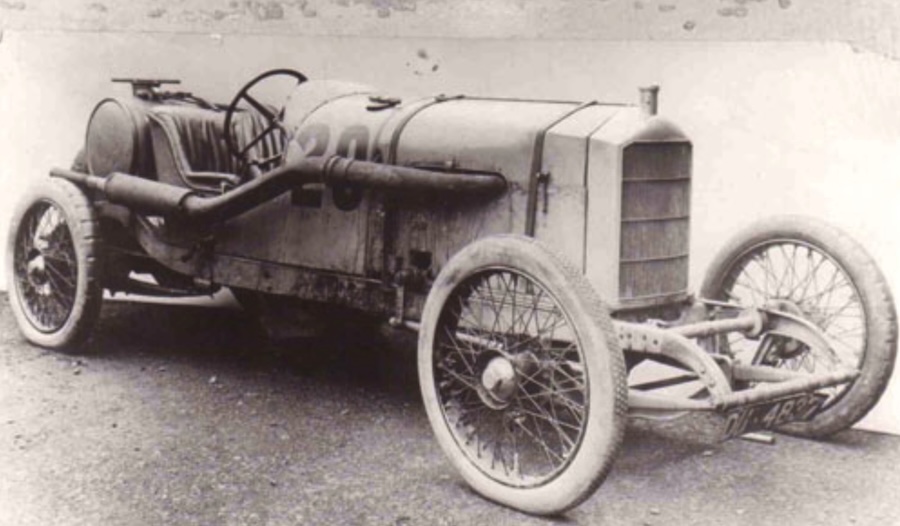
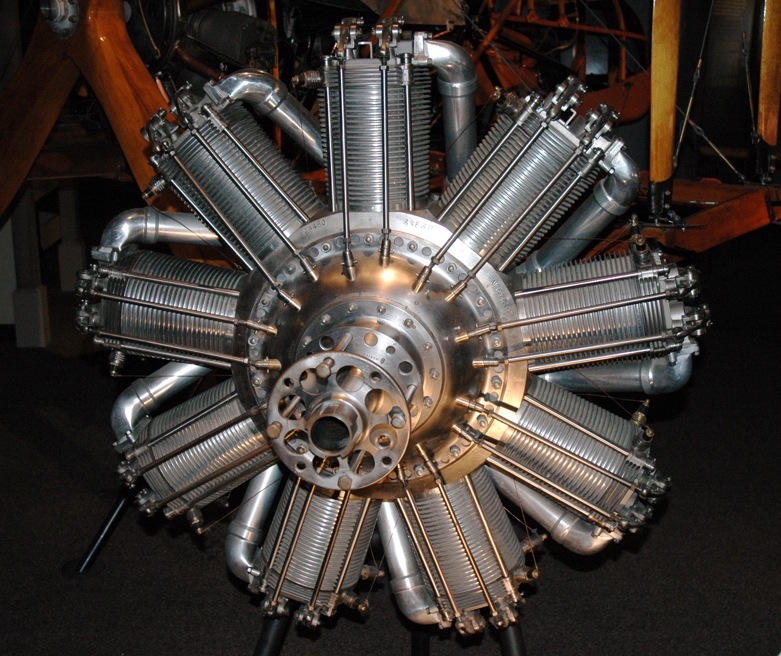
Together they designed and produced the BR1 (for ‘Bentley Rotary 1’) and then the BR2 engines, which quickly gained an excellent reputation, mainly due to their reliability in operation.
1919
For his work, achievements and inventions, W.O. was awarded the title of MBE (Member of the Most Excellent Order of the British Empire), but he had to fight a ‘long and tedious’ legal battle for the remuneration of his inventions. He was then awarded the sum of £8,000. This money was barely enough to launch his own company in early 1919.
W.O. decided to develop the idea that had germinated in his mind before the war: ‘I want to make a fast car, a good car, the best in its class’.
In a chapter of his memoirs, he wrote: ‘To design and build a new car in 1919 without substantial capital was like being marooned on a desert island with a penknife and told to build a house.’
W.O. started Bentley Motors on the 18th of January 1919. He immediately recruited Frederick Tasker Burgess (whom he met at Humber) followed by Harry Varley (an engineer at Vauxhall Motors who – amongst other things – designed the company logo). In the summer of 1919, the trio was joined first by Clive Gallop, a former aviator and brilliant engineer who worked for the French Peugeot, followed by Jimmy Enstone (another former aviator) and Reginald ‘Nobby’ Clarke, another engineer W.O. met during the war.
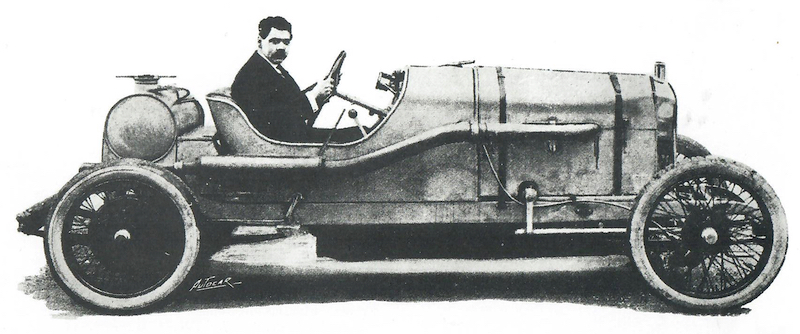
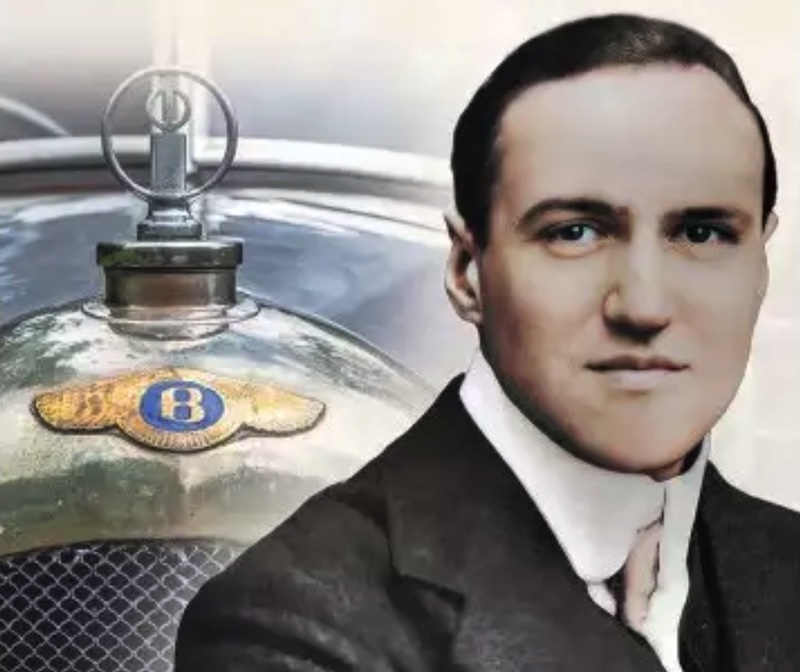
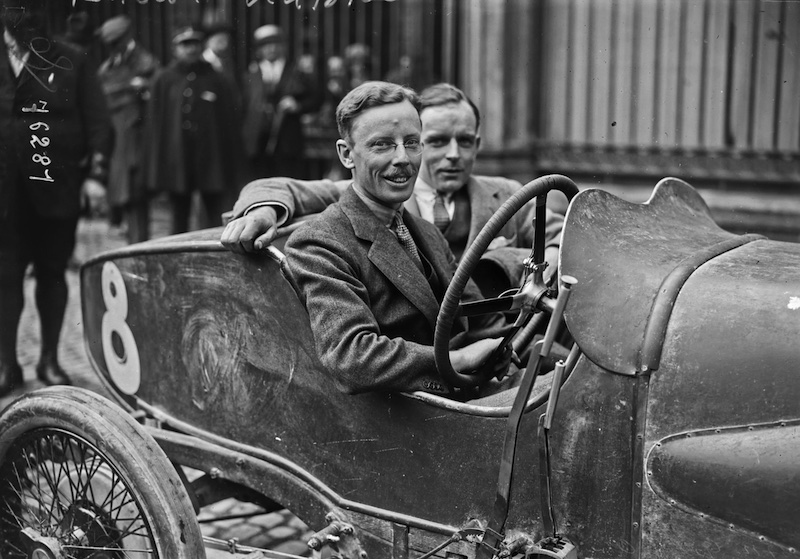
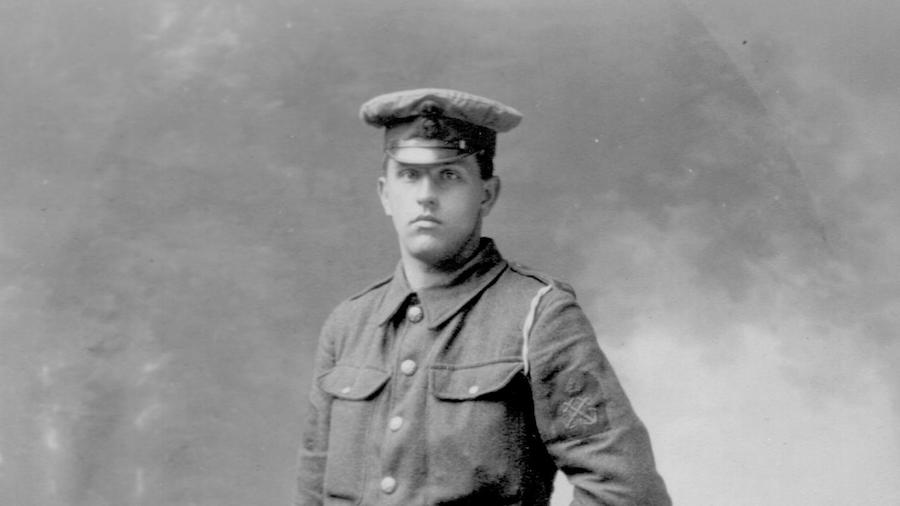
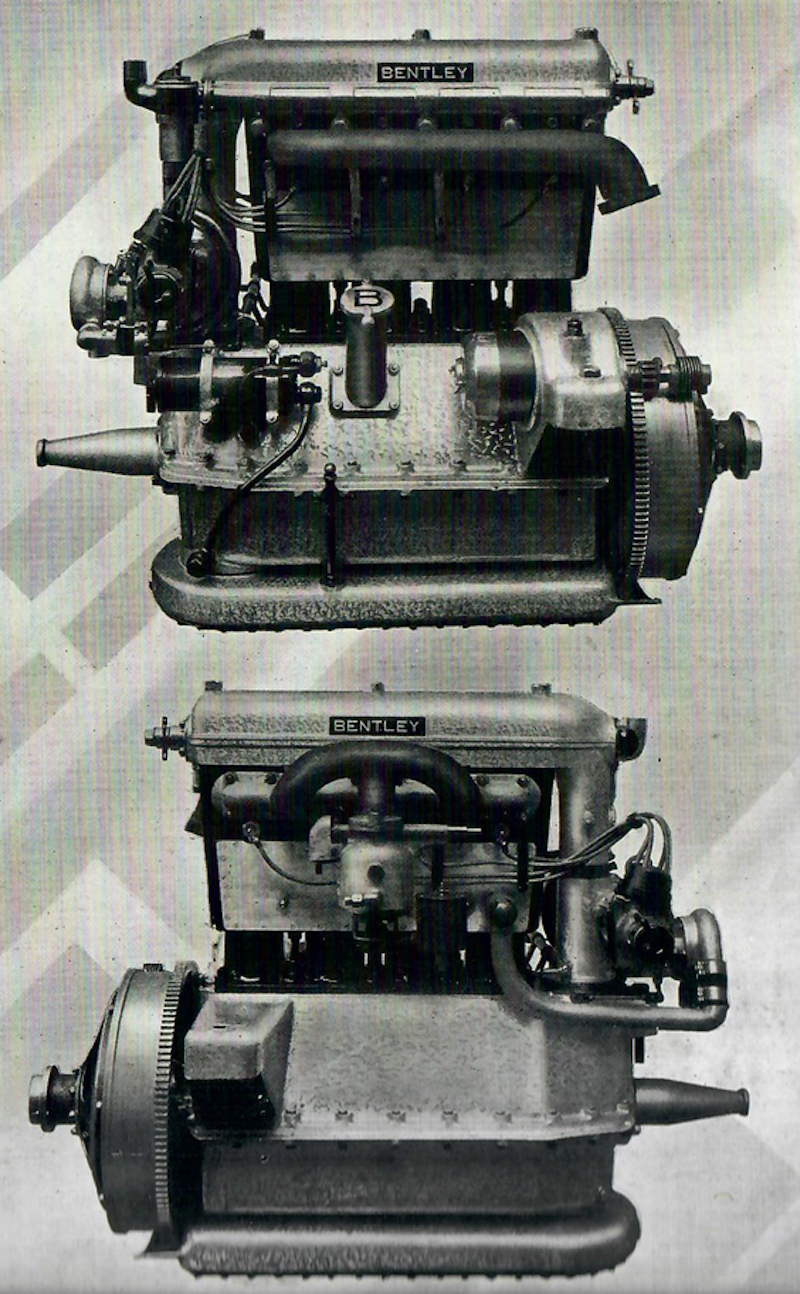
Fred Burgess was the very first ‘Chief Designer’ of Bentley Motors. Some time after, Harry Varley was appointed ‘Chief Draughtsman’. The working relationship between Burgess and Varley proved to be rather complicated from the very start of the company, and this only became more pronounced as time went on. However, this situation did not prevent the young team from working efficiently and to tackle a 3 Litre engine, the design of which would feature some impressive innovations.
We learn from Peter Grimsdale’s excellent book “Racing in the Dark” that these innovations drew their inspiration from the 1914 Tourist Trophy Humber designed by Burgess. The car was extremely advanced for the time: it had four valves per cylinder operated by twin overhead camshafts and developed nearly 100 bhp at 3200 rpm from its 3295cc engine. The engine was itself virtually a copy of the Peugeot L76 racing engine (“L” standing for “Lion”), designed by the Swiss engineer Ernest Henry, whose own work had in turn been closely inspired by an Hispano-Suiza designed by Henry’s former Technical Director, the Swiss engineer Marc Birkigt!
It is worth noting that this strategy of “very close inspiration” was by no means confined to Humber: Sunbeam and Vauxhall did much the same – as, indeed, virtually every motor manufacturer in the world has done at one time or another throughout the history of the automobile.
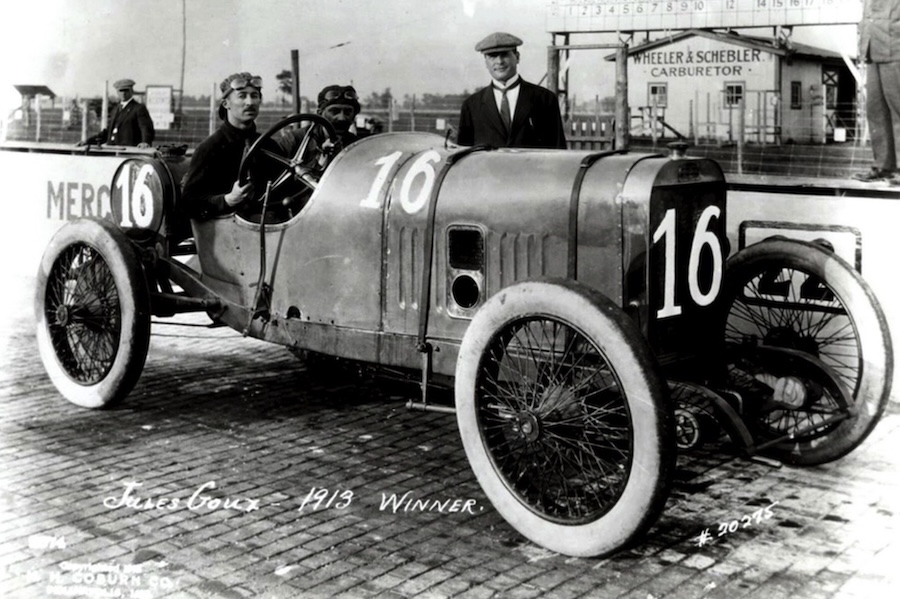
Peter Grimsdale also explains that “Although they enhanced performance, Bentley rejected twin camshafts on grounds of the noise generated by the chain required to operate them. The single overhead cam with bevel drive, which he adopted, came from another source of inspiration, Paul Daimler. This was the engine that had powered the 1914 French Grand Prix-winning Mercedes team cars, one of which W.O. had liberated from the basement in Covent Garden and passed on to Rolls-Royce. The valves driven directly by the camshaft above them enabled the engine to achieve much higher revs than with the more conventional side valve system”.
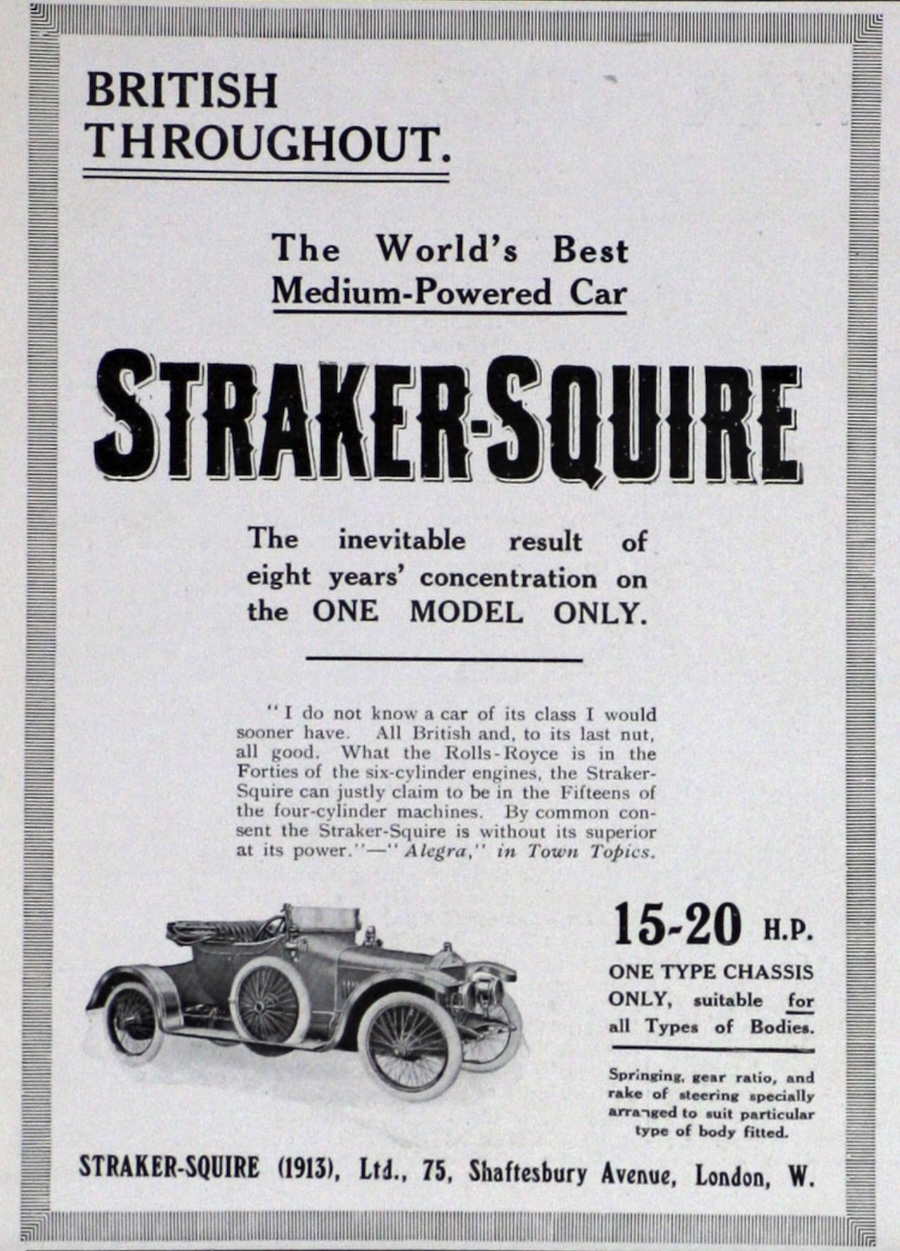
The chassis was built in a second phase. In the book ‘Harry Varley, A Man Who Made Motoring History’, we learn that this chassis came largely from Straker-Squire (an English car manufacturer that began operations in 1893) but that significant improvements were made to it.
Between 1919 and 1922, at least four so-called ‘experimental’ cars were produced.
The first car was the EXP 1 (EXPerimental No. 1): a two-seater vehicle that first took to the road in October 1919 with bodywork borrowed from a DFP. The work was carried out in the workshops at New Street Mews in London (next to Baker Street).
The car was then dismantled to recover its parts.
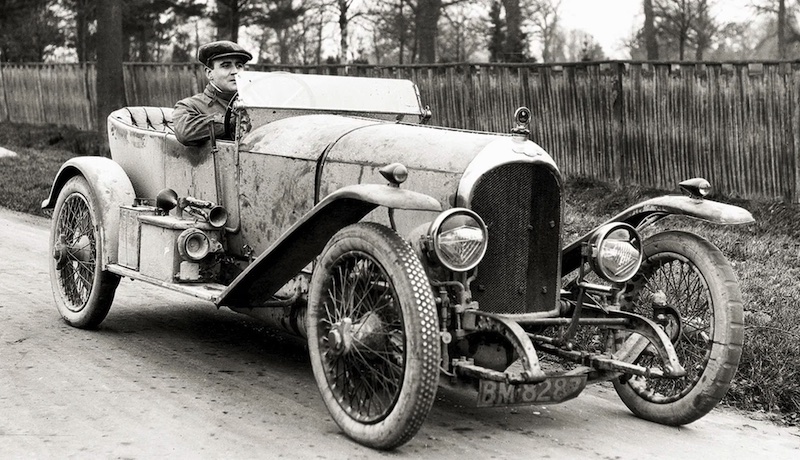
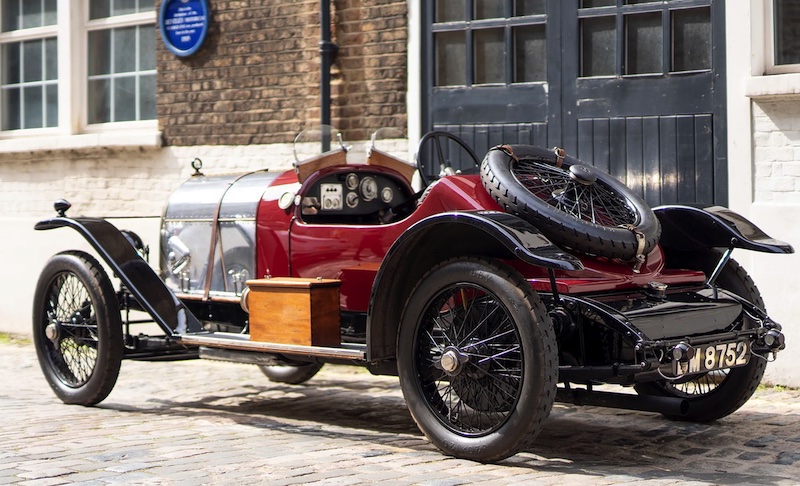
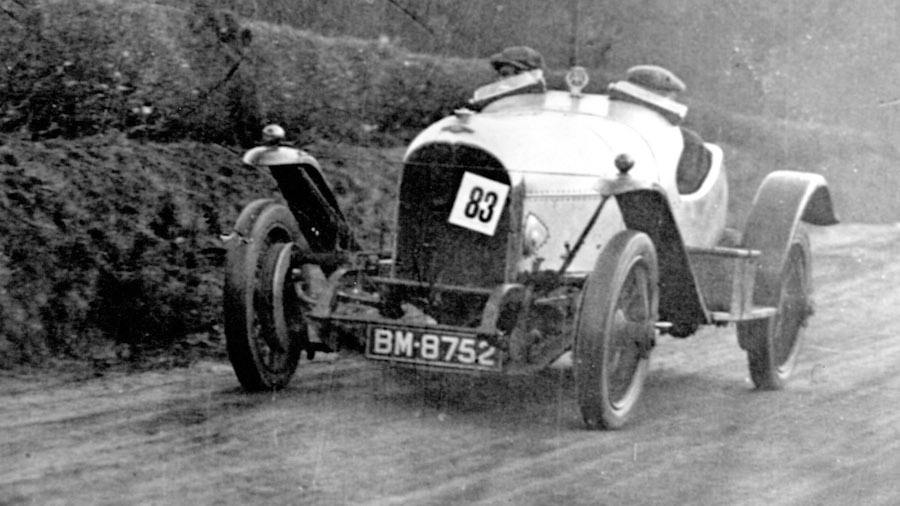
Shortly afterwards, the EXP 2, also a two-seater, was built later in the year using parts from the EXP 1. The car was presented at the Olympia Motor Show in November 1919 and is an iconic car in the history of the brand (it is also the oldest model of the brand still visible today and registered as ‘BM8752’). As a side note, due to the late arrival of certain engine components, the car presented at the motor show was not functional!
1920
The year 1920 was a year of transition during which W.O. sought new investors as his company’s finances were already in the red. The team moved to a new building located in Oxgate Lane, Cricklewood, in north-west London, while H.M. Bentley continues to operate a DFP dealership on Hanover Street – before the ‘Bentley and Bentley’ company went into liquidation in December 1922.
New employees dedicated to the workshop and sales department joined Bentley Motors.
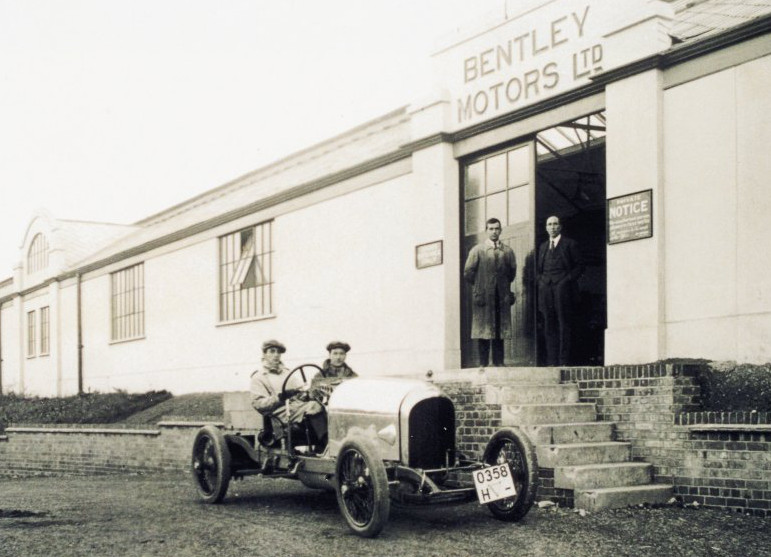
The EXP 3, better known as ‘The Cab’ and W.O.’s personal car, was the factory’s new experimental model. The EXP 3 was unveiled in November 1920, again at the Olympia Motor Show in London.
1921
Frank Clement, an engineer and development driver at Vauxhall motors, was hired by W.O. at the beginning of 1921. On 16 May 1921, Frank Clement won the Junior Sprint Handicap at Brooklands at the wheel of the EXP2, Bentley’s first recorded victory in a race. Clement not only secured the marque’s first victory on the famous banked circuit, but also beat several renowned drivers.
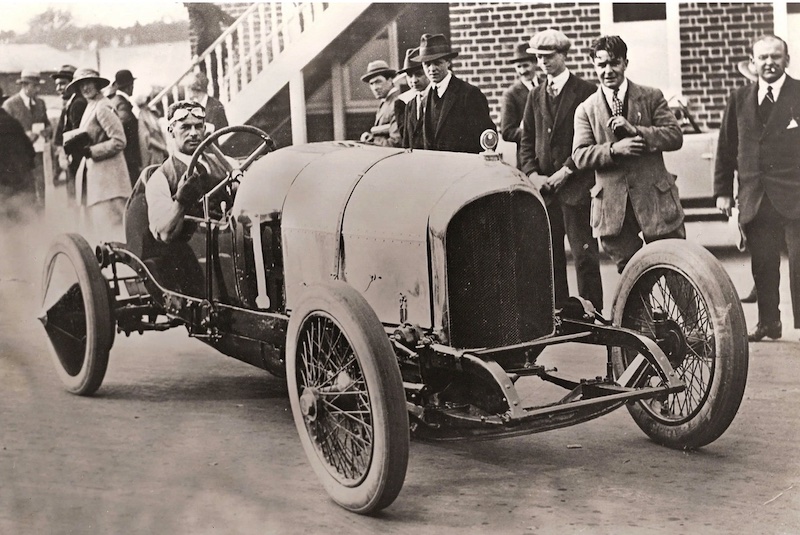
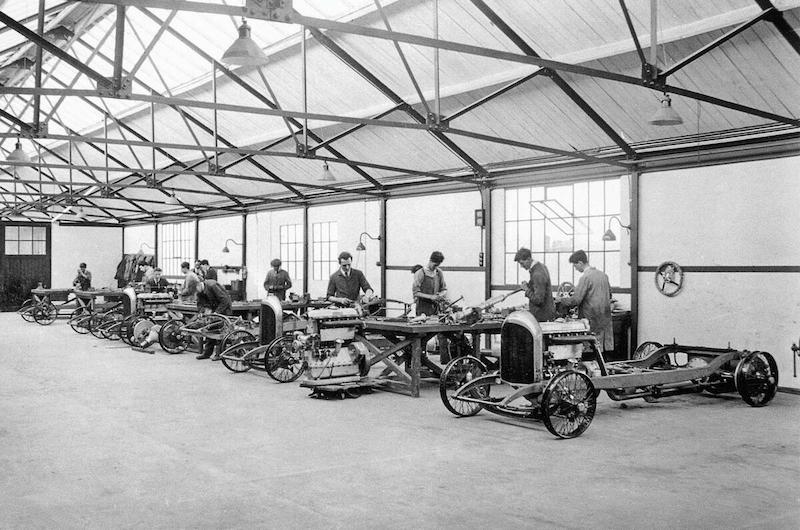
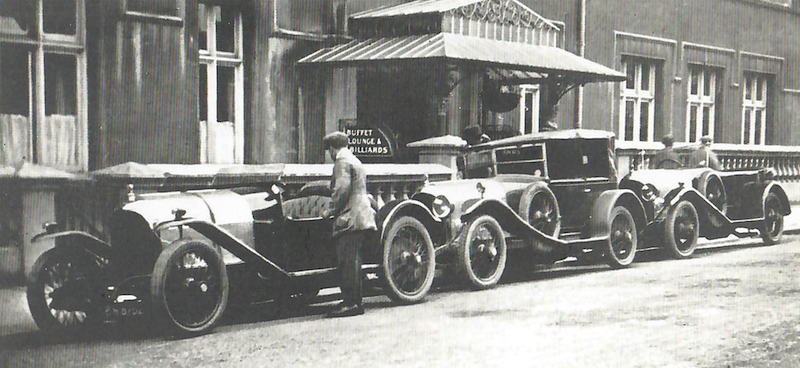
In August 1921, the first Bentley chassis fitted with its production engine (‘chassis No. 3’) left the factory before being delivered to its owner, Ivor Llewellyn. Somewhat bizarrely, ‘chassis No. 1’ was delivered in September 1921 to Noel Van Raalte, who was specially chosen by W.O. because he ‘was very wealthy, very sociable and had excellent mechanical knowledge’, which made him ‘an excellent testing and propaganda tool’.
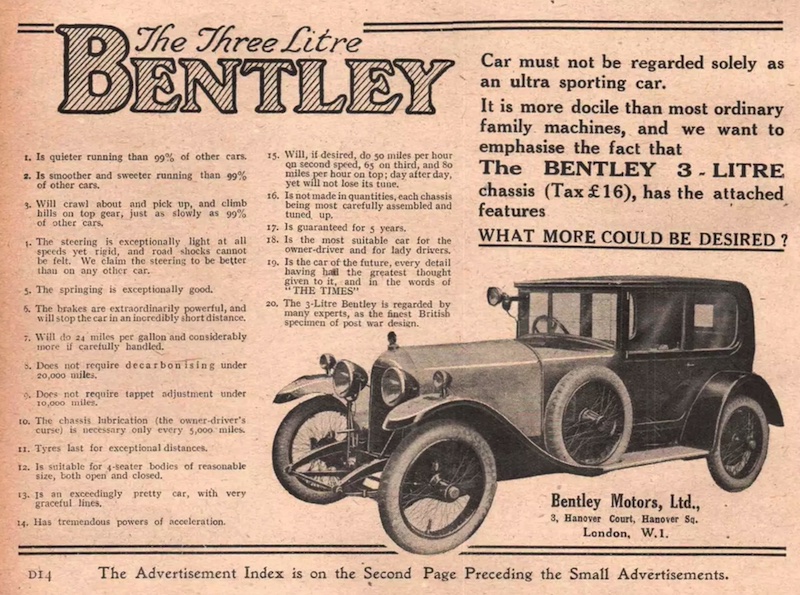
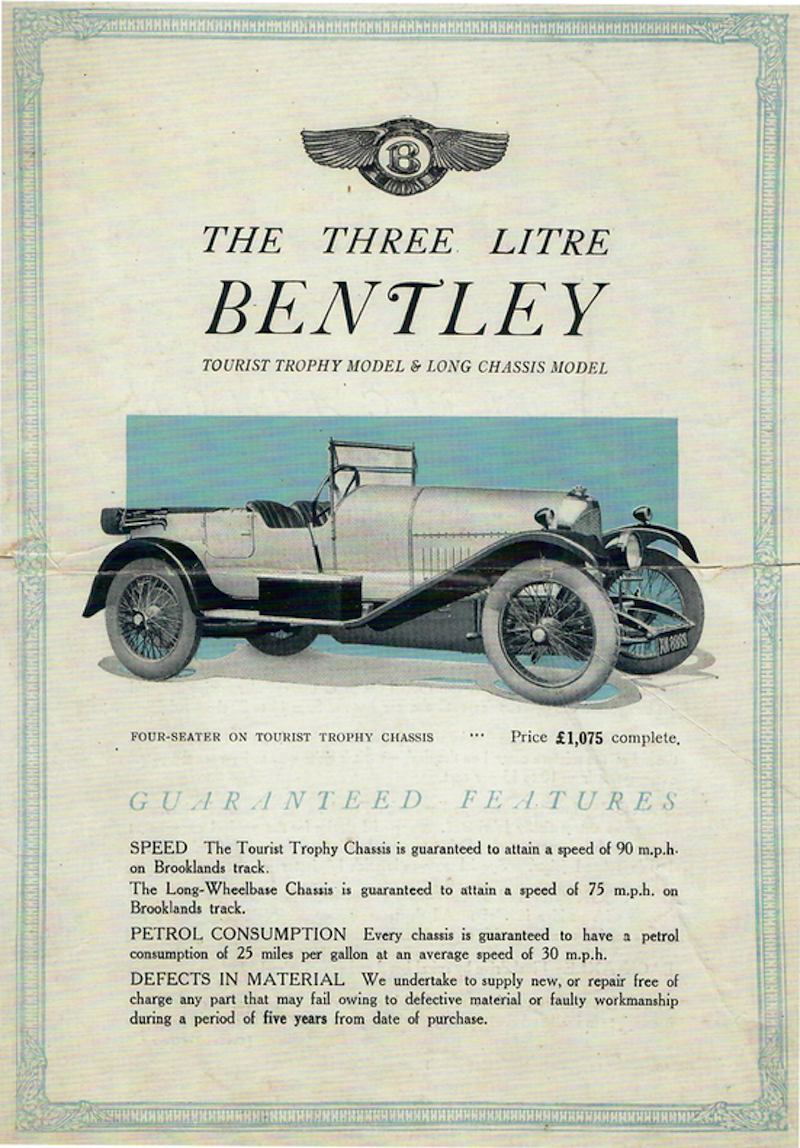
The car cost £1,050, several times the annual salary of a worker at the time. The Bentley 3 Litre was equipped with the famous Bentley radiator bearing the winged ‘B’ emblem, which is still a hallmark of the brand today. The car was equipped with rear brakes only (front brakes were not added until August 1923).
Frank Clement became Bentley Motors’ first official driver. He continued to race for Bentley, winning Le Mans in 1924 and becoming the only driver paid by the factory in all Le Mans races from 1923 to 1930. Despite delivery of first production cars, all was not well in the office: the spats between Burgess and Varley became more serious and more frequent. Unbeknown to anyone, Burgess was suffering from a brain tumour which would take his life in 1929, aged just 50.
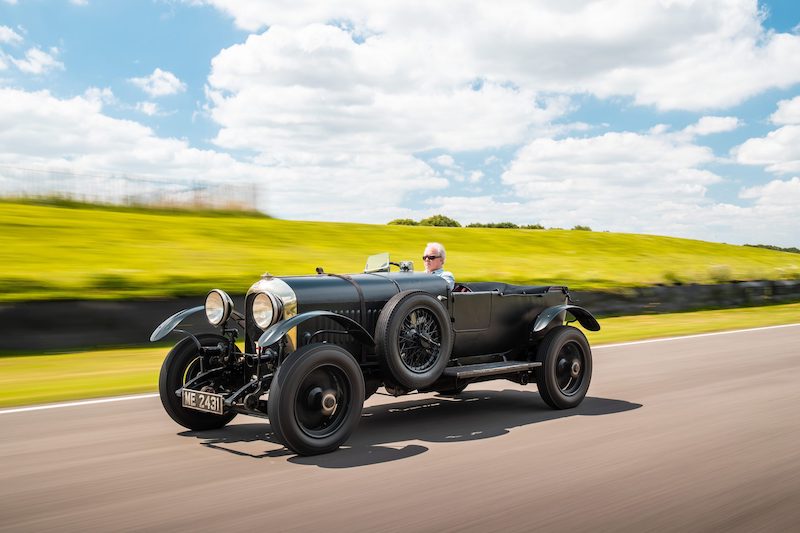
The factory was working on further improvements with the last of the four Bentley 3 Litre experimental cars. This was the EXP 4, originally built with a touring body. The car was used by Bentley’s chief designer, Fred Burgess, first to prove the safety advantages of installing brakes at the front and rear, (and then later to test the new 4½ Litre engine that was installed in it). EXP 4 was also used largerly by Horace Bentley as a demonstration car. More than 100 years later, the EXP 4 is still going strong and has been restored to its former glory thanks to William Medcalf and his team, who, in 2021, restored it to its original condition in order to preserve the car’s authenticity at all costs. The car was unveiled in 2022 at the Salon Privé Concours d’Élégance at Blenheim Palace.
1922
In 1922, W.O. wanted to literally get his brand off the ground by targeting motor racing for at least two reasons: it was the best way to test the reliability of the cars, and enthusiasm for competition was booming. Crowds flocked to the circuits and the growing publicity attracted future owners.
W.O. decided to enter a Bentley 3 Litre in the Indianapolis 500 race in the USA and three Bentley 3 Litre in the Tourist Trophy (TT) on the Isle of Man.
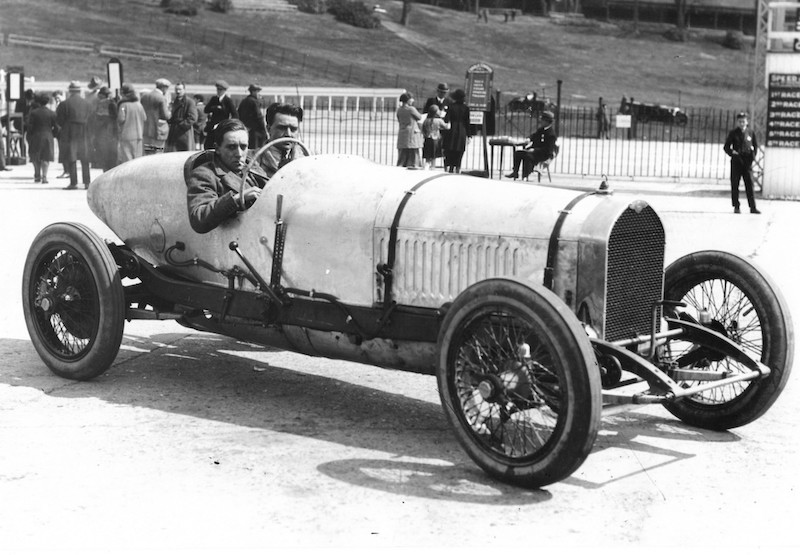
In May 1922, the same Douglas Hawkes put in a respectable performance at Indianapolis, finishing 13th in his pre-production Bentley 3 Litre. He then returned for the TT a month later in June, while the second Bentley 3 Litre was entrusted to Frank Clement. The third car was driven by W.O. himself (this would be his last appearance in a race as a driver in a factory car).
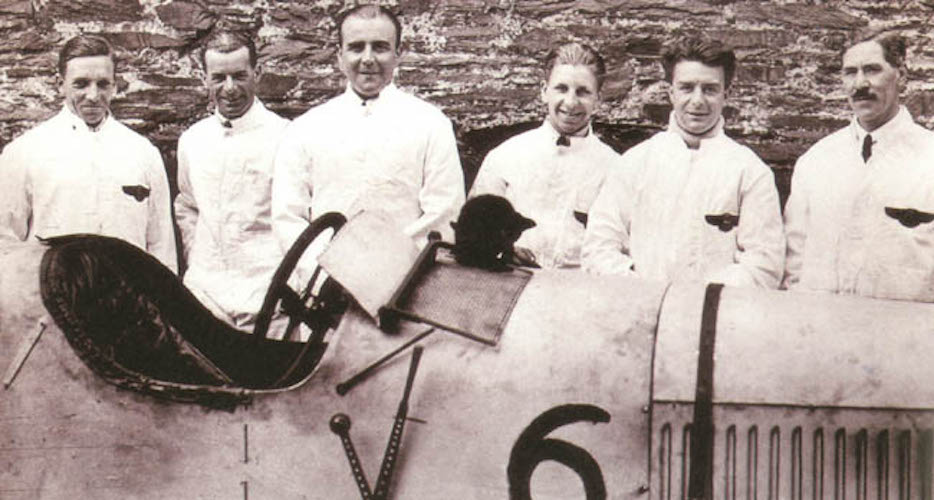
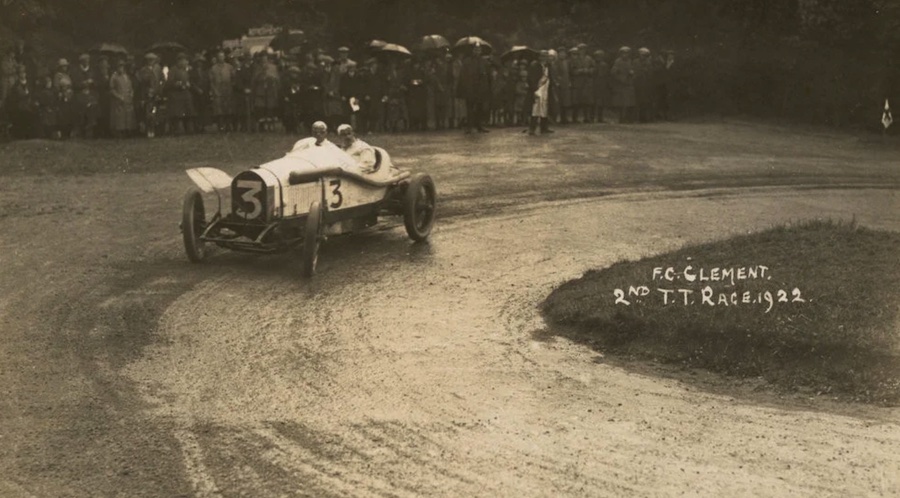
Clement took second place behind a Sunbeam driven by a Frenchman named Jean Chassagne.
Jean Chassagne was a pioneer submariner and aviator, before becoming a racing driver. He finished third in the 1913 French Grand Prix and win this 1922 Tourist Trophy. Chassagne’s long career spans the early road races as a riding mechanic on Darracq, Clement-Bayard and Hispano-Suiza automobiles, before he joined Sunbeam (later to become S.T.D.). He would become a Bentley Boy shortly afterwards.
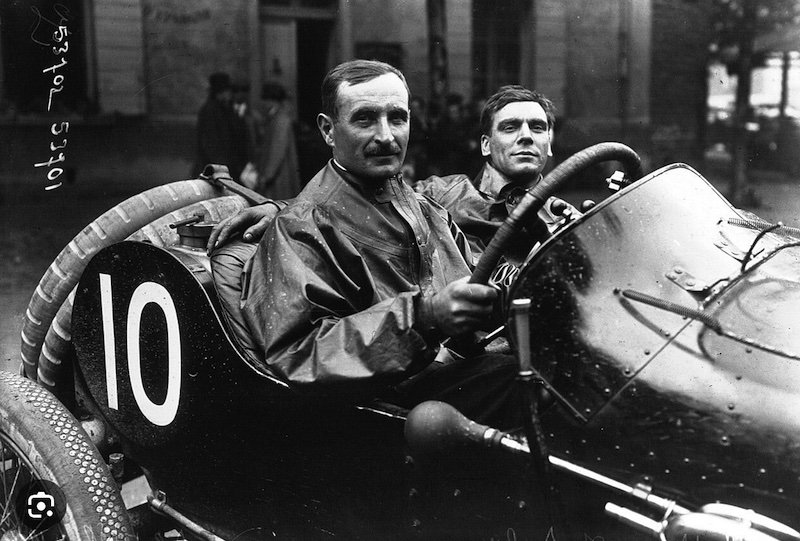
The other two Bentleys finished fourth and fifth. Shortly before the race, W.O. had an extra fuel tank installed in each car as a matter of urgency in order to space out refuelling stops: this detail enabled Clement to finish on the podium.
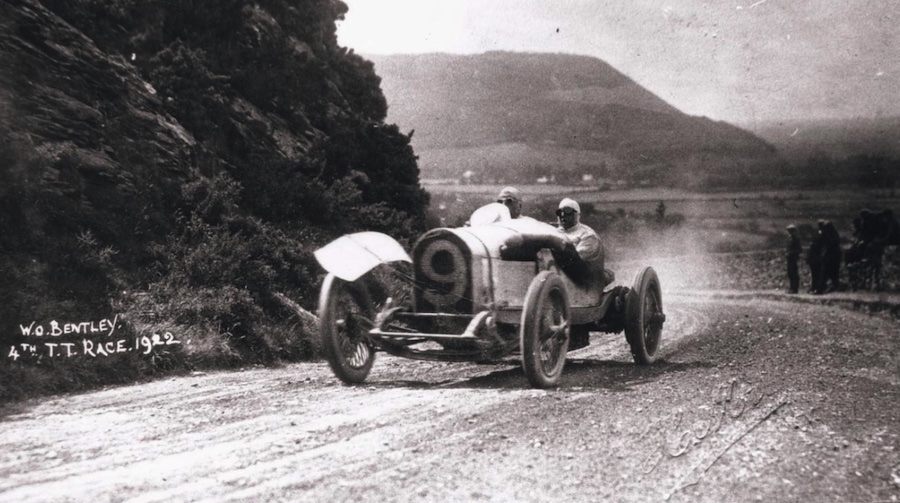
This early success led to the introduction of a limited series: the Bentley TT Replica, which offered superior performance to the standard model.
1923
W.O. and his team are working flat out to improve the 3-litre model and satisfy an increasingly demanding clientele. Competition between manufacturers is becoming ever fiercer, with increasingly ‘aggressive’ pricing.
In the first months of 1923, a Bentley dealer named John Duff visited W.O. and told him about a new 24-hour race that was to take place in France. He wanted W.O. to make special preparations to his personal vehicle. But before we go any further with this story, who was John Duff?
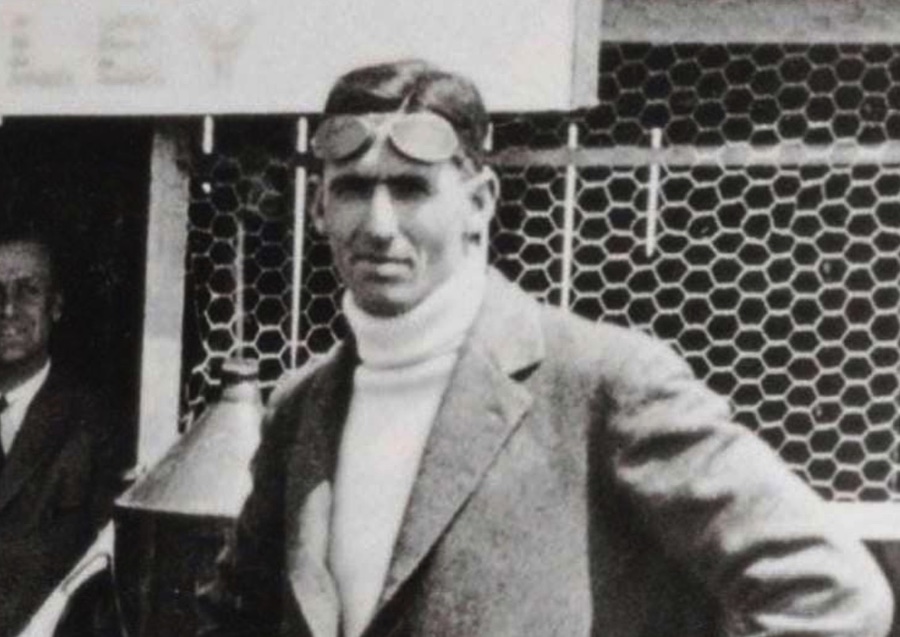
In 1914, John Duff, a young Canadian, emigrated to England to join the British armed forces. Promoted to captain for his bravery in combat, he was wounded during the Second Battle of Flanders and repatriated to England. After the war, he learned to drive and became a Bentley dealer in 1922. A car enthusiast, the 28-year-old was a regular on the slopes of the Brooklands circuit, where he had already climbed the steps of numerous podiums.
The discussion between John Duff and W.O. was cut short. The latter flatly refused to go to France because, in his opinion, the race was madness: no car could be pushed so hard over such a long period of time. But faced with this enthusiastic and determined young man, he finally gave in and agreed to prepare a car for him. He asked Frank Clement to accompany John Duff to Le Mans. The two men, assisted by two mechanics, loaded the Bentley with spare parts and the four of them set off for Le Mans. They would form the first British team to take part in this 24-hour race, known at the time as the ‘Rudge-Whitworth Cup’.
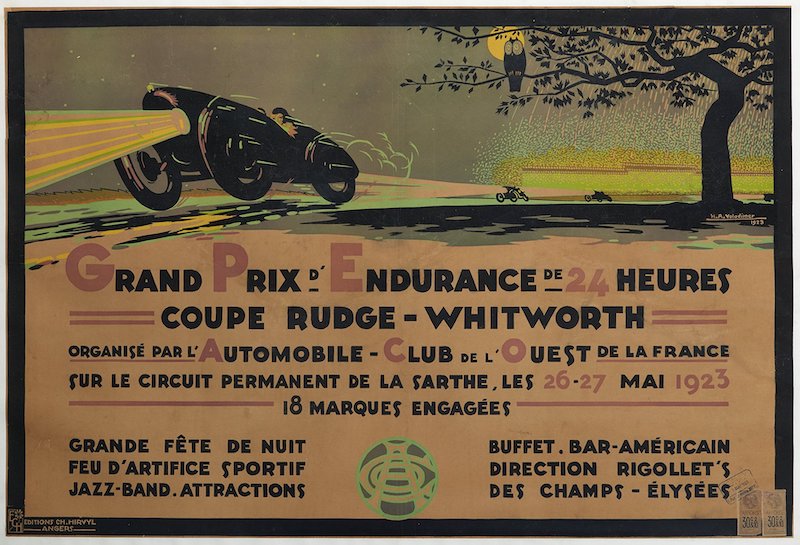
The race took place on 26 and 27 May 1923. At the last minute, W.O. finally decided to travel to France to attend the event. The journey by boat to Dieppe, then by train to Le Mans, was arduous, but he arrived just in time to see the Bentley start in fourth position on the grid. Each car was required to cover a minimum distance based on its engine capacity and to last 24 hours in order to qualify for the following year. This rule encouraged some competitors to ease off once they had covered the minimum distance in order to preserve their cars and ensure their qualification.
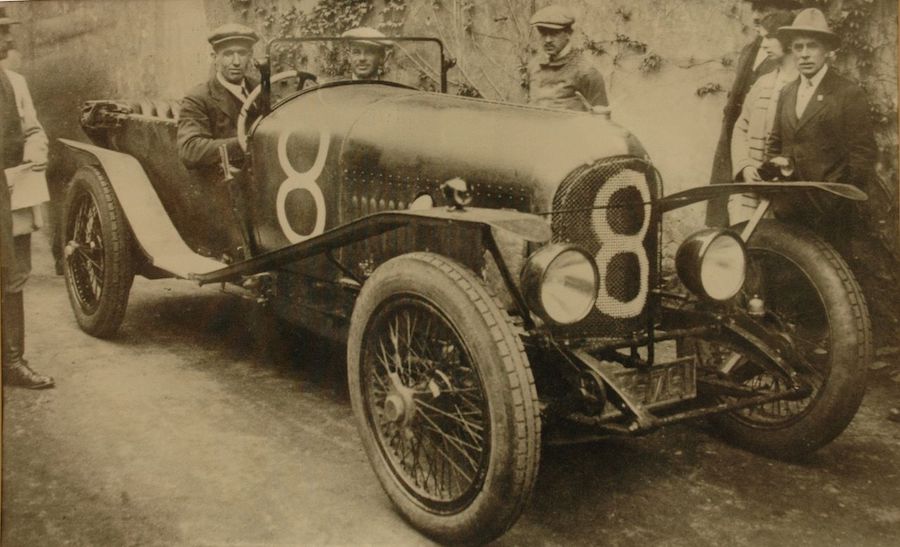
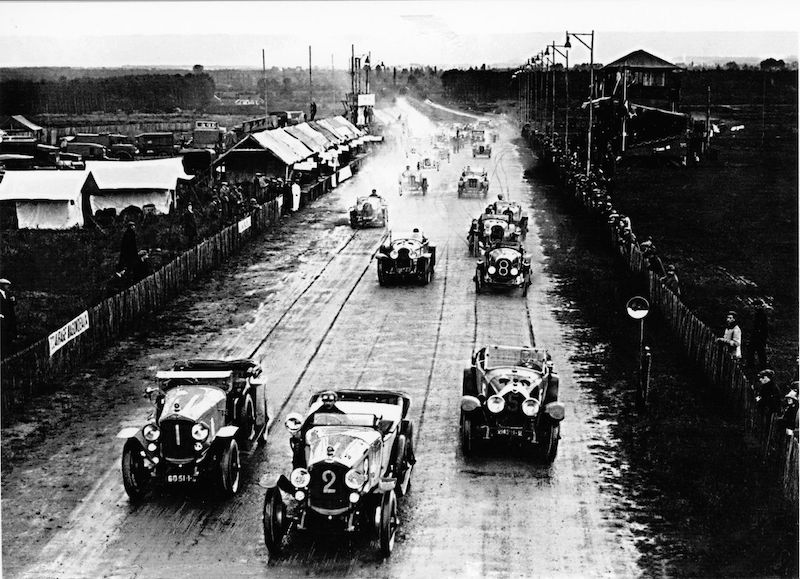
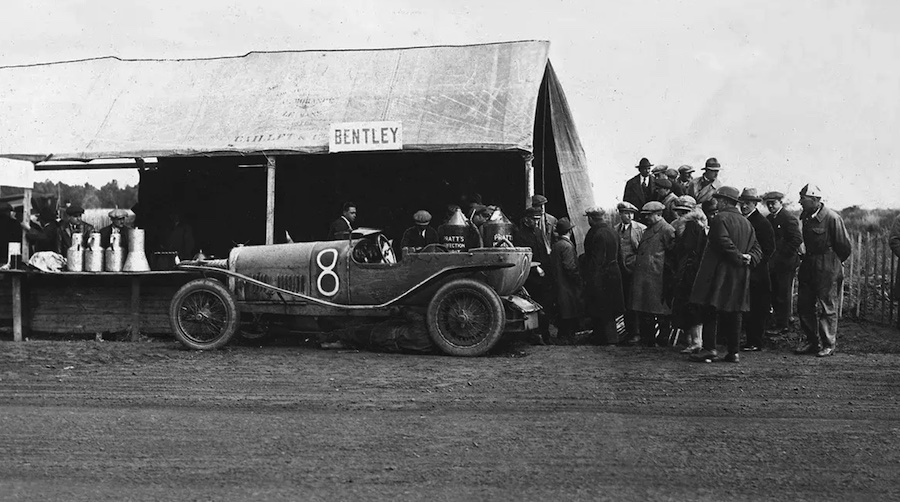
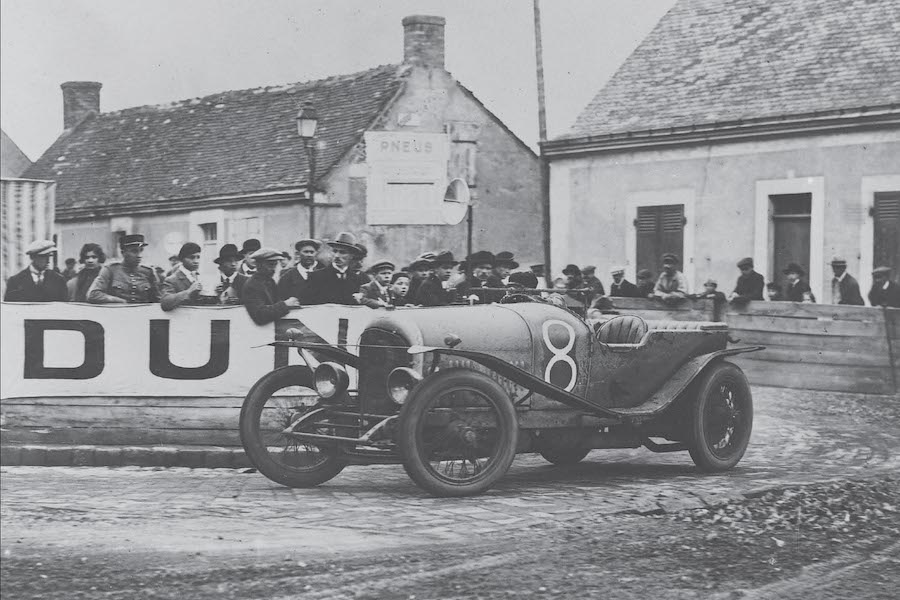
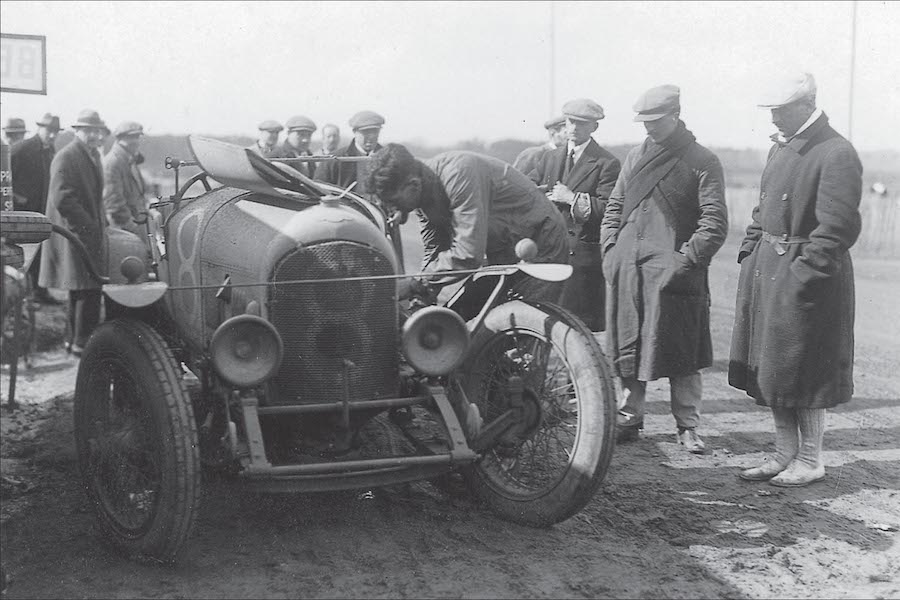
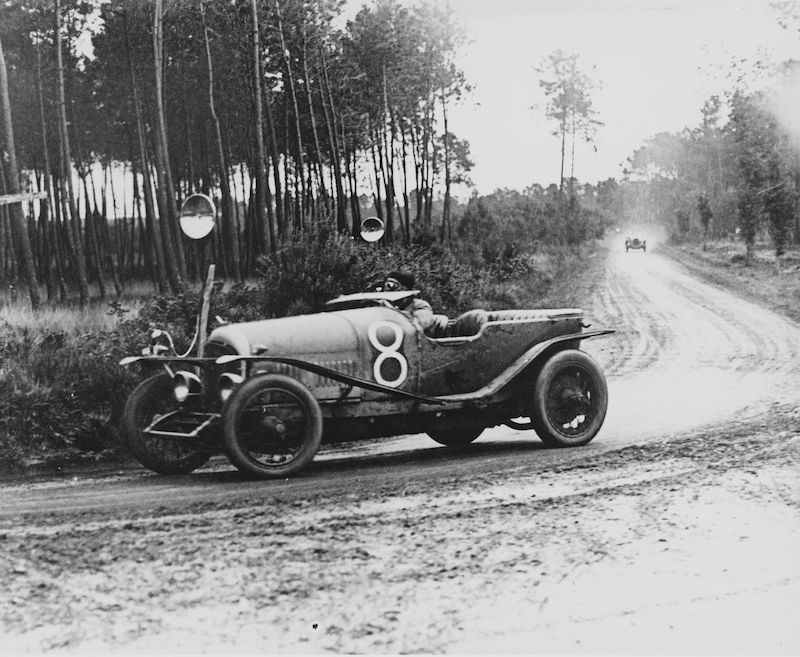
The race started in pouring rain. Shortly afterwards, hail fell on the Sarthe circuit, turning the road into a muddy track. The Duff/Clement crew drove flat out for the entire race. Unfortunately, a stone pierced the fuel tank, which gradually emptied. A few kilometres from the pits, Duff inevitably ran out of fuel. He ran to warn his teammate, who grabbed two cans of petrol and jumped on a bicycle. Clement then rode up the track in the opposite direction and caught up with the Bentley, which he repaired with a piece of wood and chewing gum. This mishap cost them a few places in the rankings, but the two men still managed to set the lap record towards the end of the race. They finished fourth. Duff and Clement qualified for the 1924 Rudge-Withworth Cup.
W.O. was jubilant. He was now infected with the endurance racing bug.
In the autumn of 1923, a distinguished man walked through the doors of the Bentley showroom in Cricklewood. His name was Joseph Dudley Benjafield, known as ‘Benjy’. A distinguished doctor of bacteriology at the Royal Hospital in London, he had fought the 1918-1919 flu epidemic after serving in Egypt during the First World War. In the aftermath of the war, ‘Benjy’ took up a popular activity among the upper classes: motorboating. He competed in numerous races aboard Lumière, his powerful Daimler motorboat. In 1923, his precious boat was destroyed. He therefore decided to take an interest in cars and visited the Bentley workshop in Cricklewood.
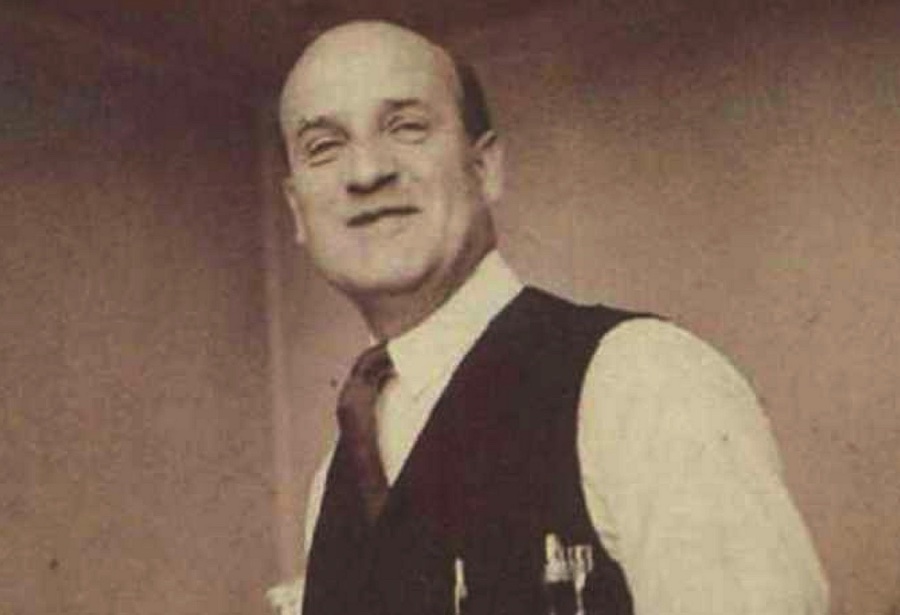
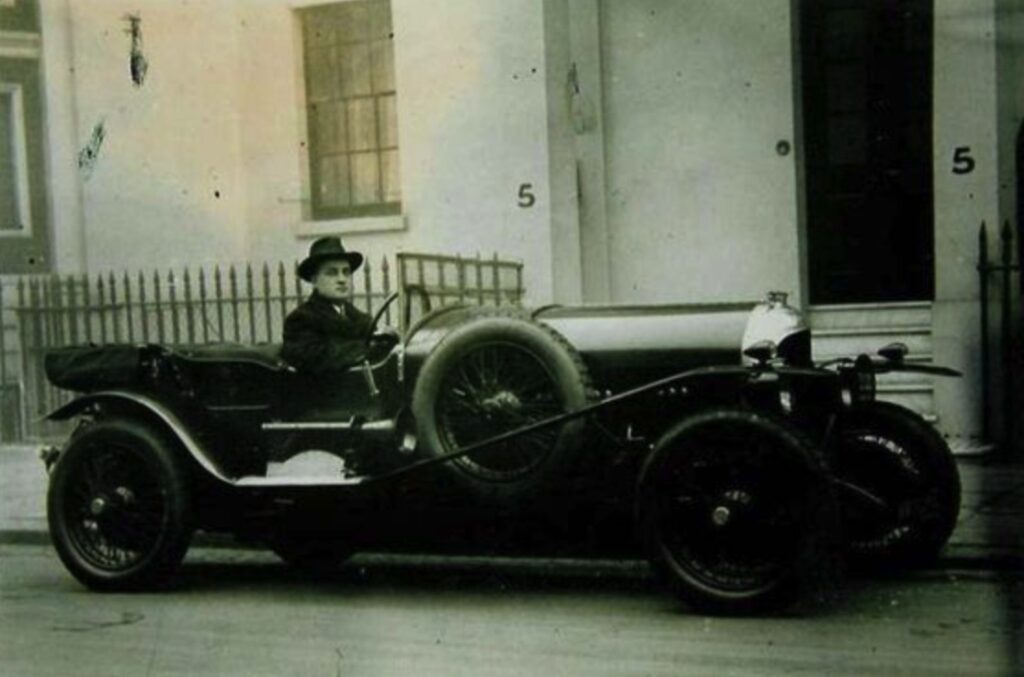
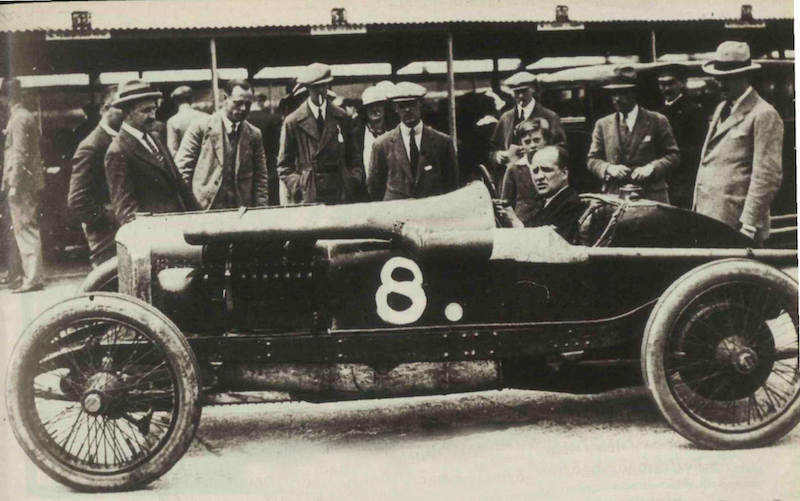
There, he met Herbert ‘Bertie’ Kensington-Moir, a mechanic, driver and occasional salesman. Benjy, somewhat provocatively, criticised the performance of the 3 Litre engine. Stung by this remark, Kensington-Moir led him to an adjoining building where four mechanics were working on a red Bentley. He suddenly asked Benjafield: ‘Do you like speed?’ Seeing the inevitable test drive coming, the doctor replied in the affirmative, albeit with some apprehension. Kensington-Moir then replied: ‘Come tomorrow, I’m taking this car to Brooklands, we’ll drive there together.’
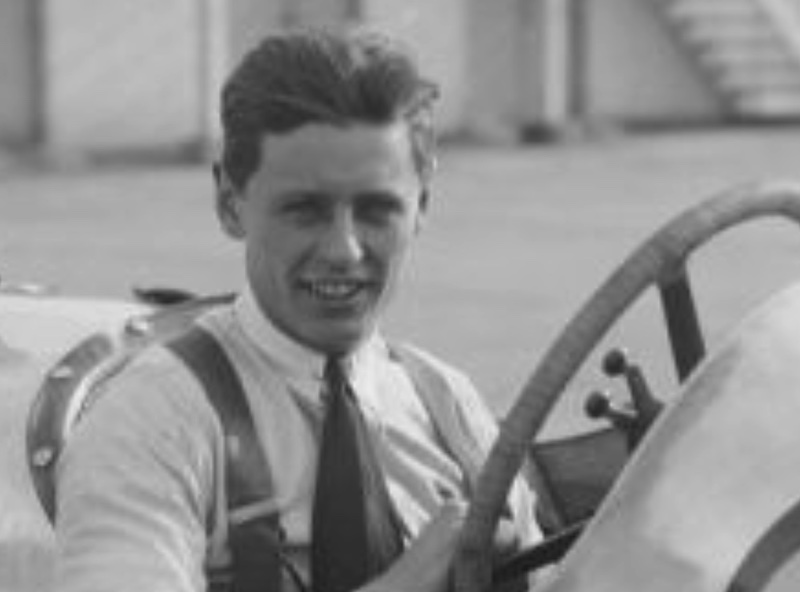
The next day, convinced by the very sporty test drive, Benjafield became the proud owner of a second-hand Bentley 3 Litre, which he immediately had modified. He asked for the compression ratio to be increased and demanded that the chassis and bodywork be made lighter overall. In the end, the car weighed only about 900 kg. In early 1924, he entered several competitions, notably at Brooklands, where he triumphed many times. In light of these successes, W.O. asked Benjafield to become the brand’s official driver that same year.
According to W.O., “Benjy was the first of the ‘Bentley Boys’, a grand and most reliable of drivers. Both steady and reliable, tough, well built, totally bald, he was always tremendous fun, and renowned for being a strong supporter of off-duty fun and games”.
Most importantly, Benjafield became the founding member of the British Racing Drivers’ Club (BRDC). Keen to organise dinner parties at his Harley Street house for his friends and fellow drivers, these gatherings laid the foundation for the birth of the BRDC, inaugurated in April 1928. Initially there were 25 members that promoted a shared set of values and beliefs.
The newly formed club was to promote the interests of motor sport in general. Specifically, its aims were to celebrate any particular performance in motor sport, afford hospitality to racing drivers from overseas, and further the interests of British drivers competing abroad. Membership was initially restricted to racing drivers of proven success and experience but quickly grew following the BRDC’s decision to move into race organisation. Their first event, the BRDC 500-Mile Race, took place at Brooklands in October 1929. At that time, it was the fastest long-distance race in the world, fittingly won by a 4½ Litre Bentley driven by Frank Clement and Jack Barclay.
1924
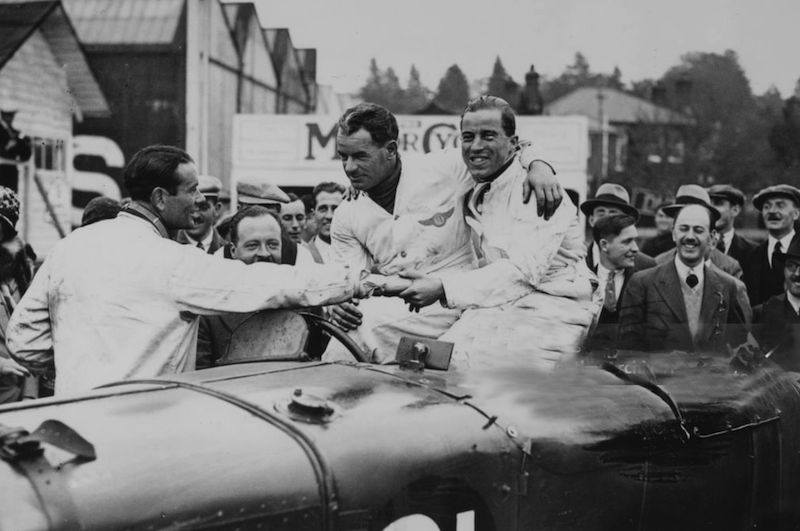
The 3 Litre model in its ‘TT Replica’ version was replaced by the ‘Speed Model’: power increased from 70 to 85 horsepower thanks to an increase in the engine’s compression ratio. The wheelbase was shorter than that of the standard 3 Litre model. The top speed was 90 mph (145 km/h). Some 513 Speed Models were built until 1929.
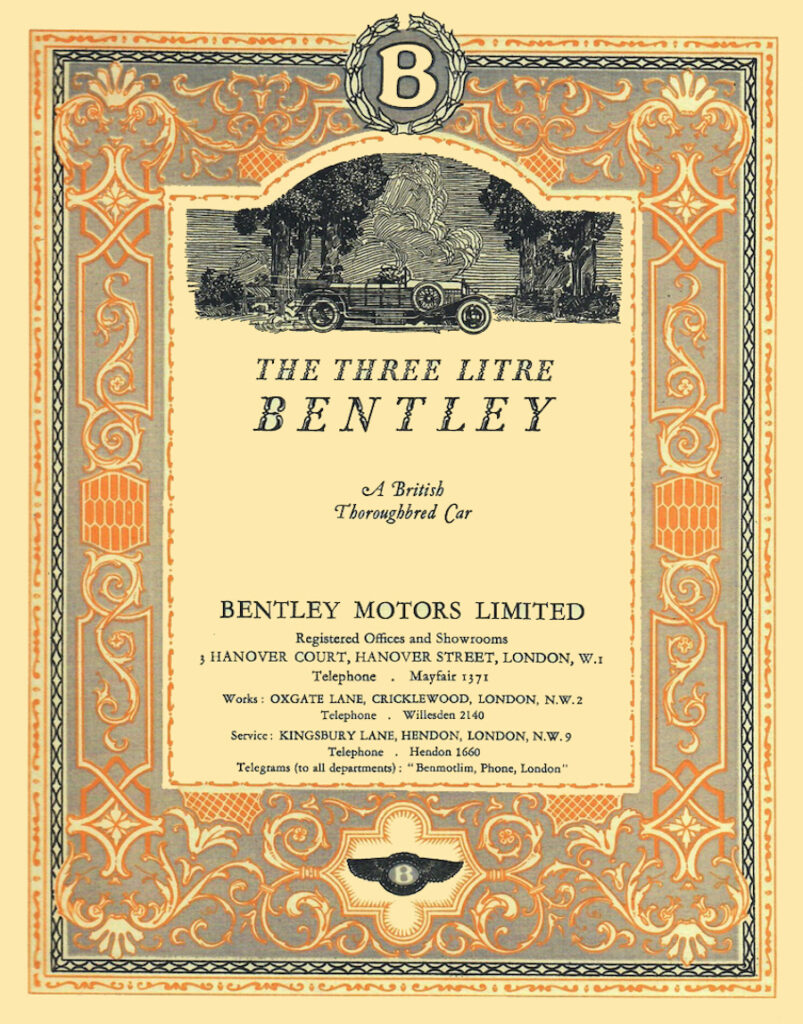
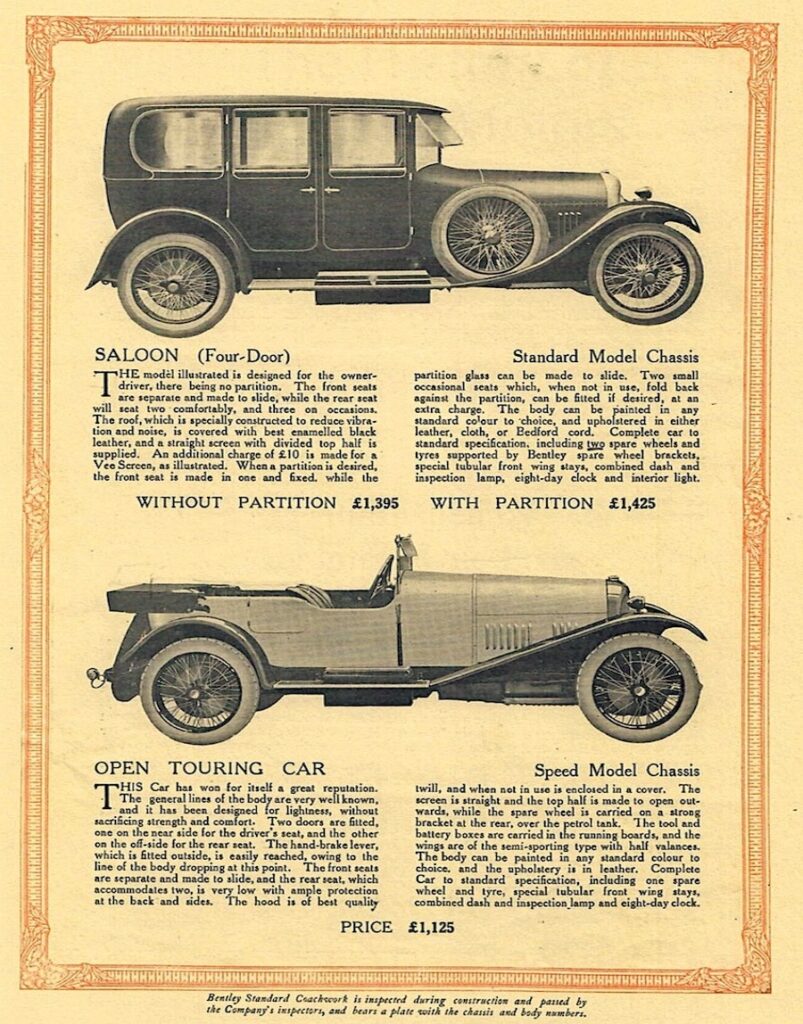
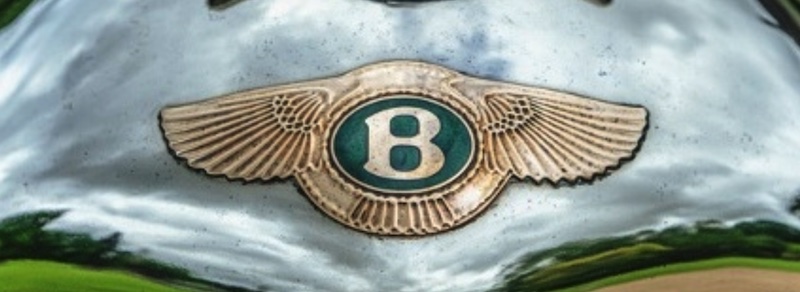
For the record, the different versions of the 3 Litre model could be distinguished by at least one detail: the colour of the Bentley logo or ‘badge’ on the top of the radiator. On paper, there was a strict rule governing the colours of the badges, but it is surprising to note that, in certain ‘special circumstances’, the factory could make a mistake and supply the wrong colour from one model to another. As you can imagine, quality control was not what it is today!
– The ‘Blue Badge’ model (‘Blue Label’) model was the standard 3 Litre model, which included a Smith-Bentley 5-jet carburettor and a compression ratio of 4.3:1, enabling it to reach a power output of 70 bhp at 3,500 rpm and a top speed of 80 mph (130 km/h) .
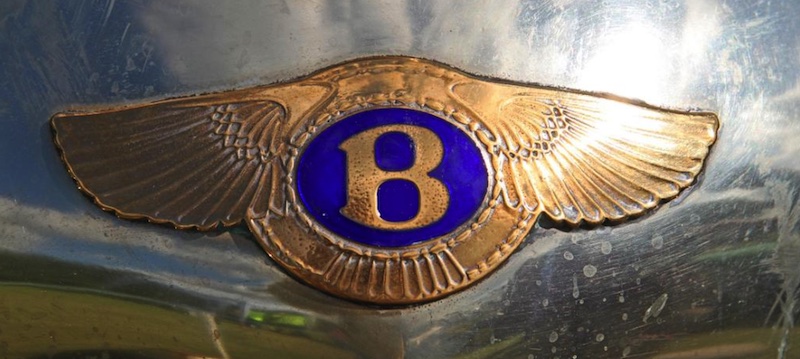
– The ‘Red Label’ model was the 3 Litre ‘Speed’ model equipped with two SU carburettors and a compression ratio of 5.3:1, developing 85 bhp with a top speed of over 90 mph (145 km/h).
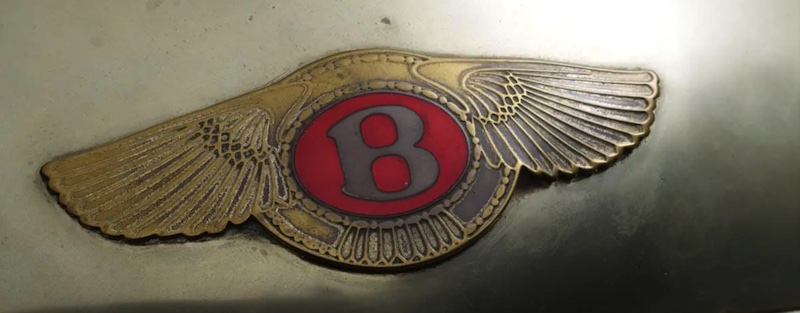
– The ‘Green Label’ model was the 3 Litre ‘Supersports’ model, of which only 18 were manufactured. It had a short chassis and lightweight bodywork, enabling the car to reach 100 mph (160 km/h). The radiator was characterised by a more tapered base. The high level of tuning of this car, with a compression ratio of 6.3:1 and the installation of a heavy-duty crankshaft, resulted in the manufacturer’s standard 5-year warranty being reduced to 12 months.
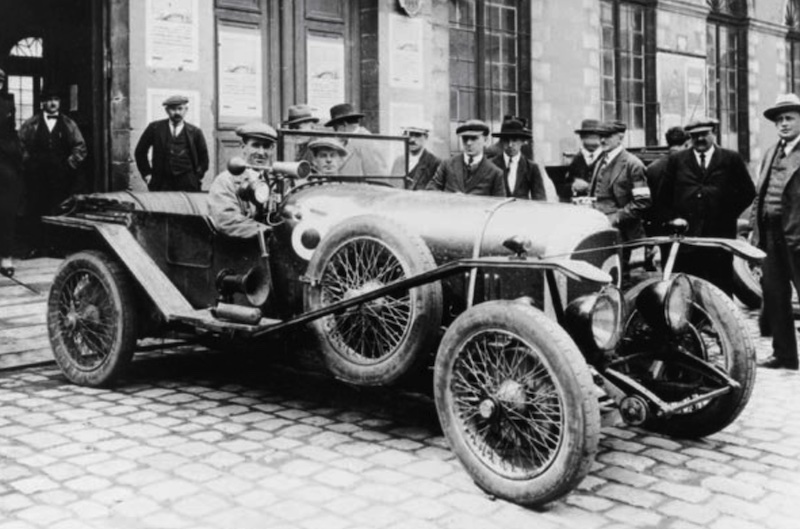
Building on their experience and qualifications gained the previous year, Captain John Duff and Frank Clement returned to the Sarthe circuit for the 1924 edition. This time, they were hoping to win the second edition of the Le Mans race. A corner of the Cricklewood workshop was made available to two mechanics, Leslie Pennal and Nobby Clarke, so that they could prepare the car, the same one as in 1923. Keen not to repeat past mistakes, they covered the underside of the fuel tank with fine mesh to protect it from flying stones. They installed an electric starter as required by the new regulations. The headlights were reinforced and protected, the fuel pipes were doubled.
In 1923, the Bentley driven by Duff and Clement was equipped with brakes on the rear axle only. This proved to be insufficient, especially at the end of the long Hunaudières straight. This year, the 3 Litre car will have brakes on all four wheels.
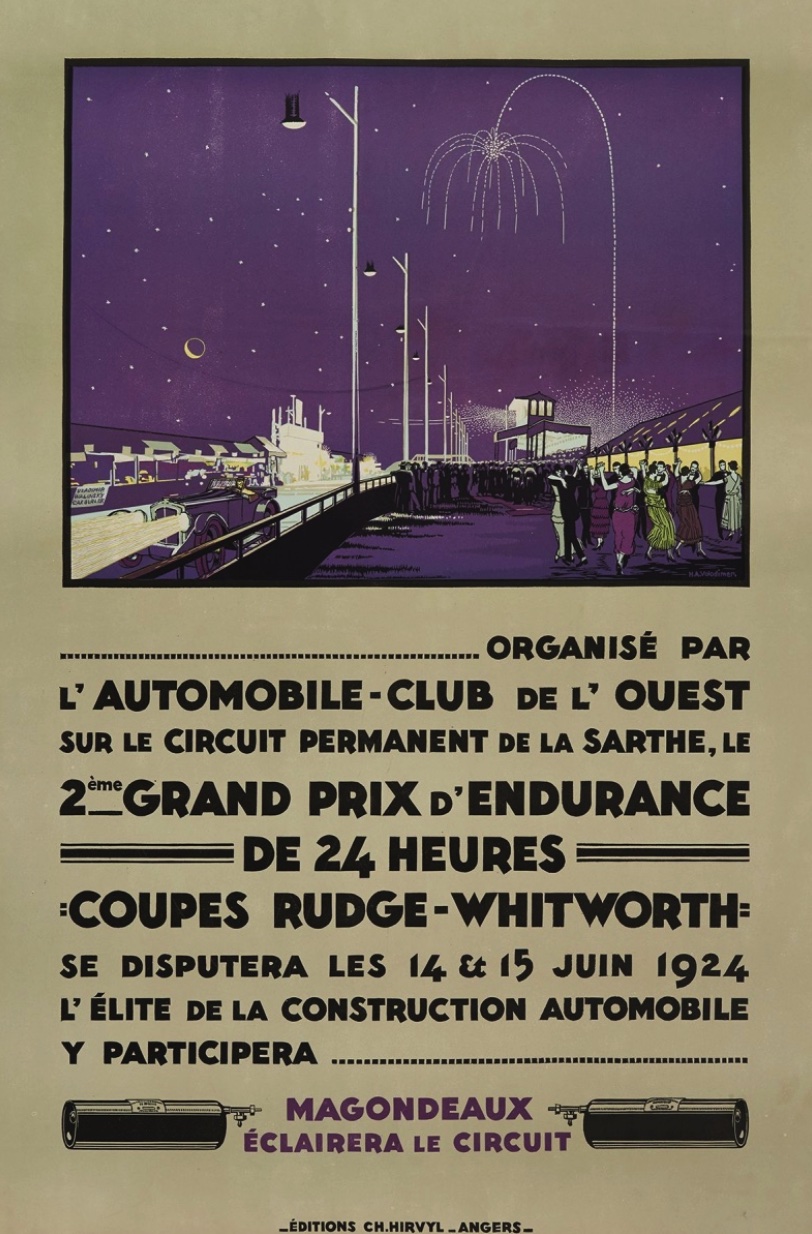
The race organisers pulled out all the stops. They expected large crowds and prepared the track surroundings accordingly. Car parks were set up to facilitate coming and going. They called on what were then known as ‘travellers’ to set up chip shops and fairground stalls. As can be seen on the poster from the period, fireworks were planned, as well as a jazz band and a boxing match. Hoping to avoid the bad weather conditions of 1923, they postponed the event until 14 and 15 June 1924. Their aim was achieved: the weather was scorching hot.
The rules, meanwhile, were tightened up. The first refuelling could only take place after 20 laps of the race. After two punctures, the drivers (the only ones authorised to refuel and make repairs) would be obliged to dismantle and change the inner tube rather than simply replace the entire wheel. Another new feature was that at the end of the fifth lap, the cars would have to stop, put their hoods on and have them checked.
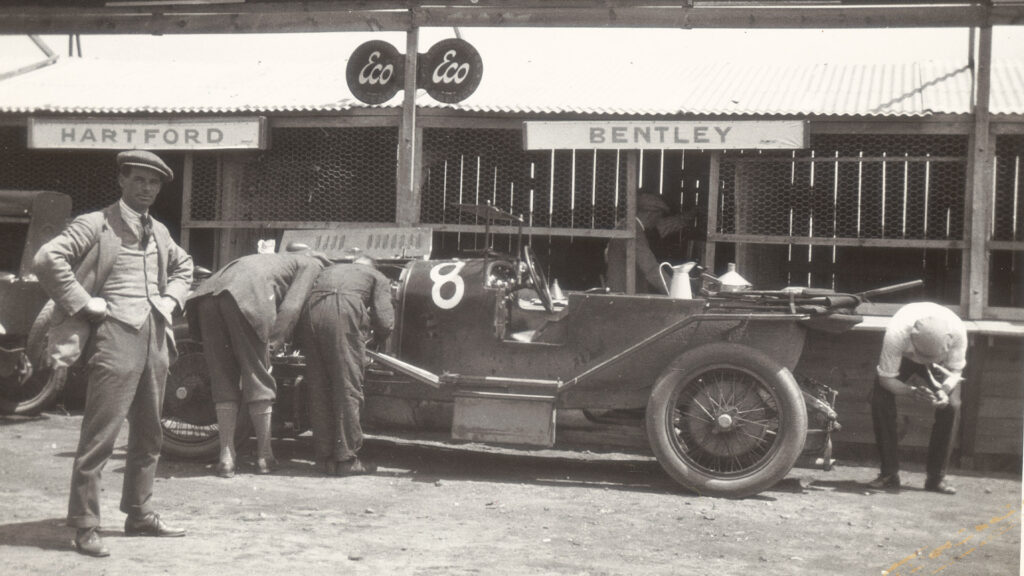
They would then drive with their hoods up for 20 laps before removing them. The aim is still to test the reliability of the car components, which are supposed to be identical to those used in production models. One last important point: to prevent certain drivers from easing off at the end of the 24 hours to ensure their qualification, a minimum average speed per lap is imposed, guaranteeing high speeds throughout the race.
On 14 June 1924, the race began. The lighter vehicles quickly engaged in a fierce battle. Later in the evening, the powerful Lorraine Dietrichs took the lead. The Bentley was still in contention, not far behind the leading cars. By dawn, the reliability of the cars had been severely tested, and there were a large number of retirements. With the regularity of a Swiss watch, the Duff/Clement crew completed lap after lap without incident, so much so that they ended up with no competition. An hour and a half before the finish, an incident occurred.
During the final changeover, Clement crew completed lap after lap without incident, so much so that they ended up with no competition. An hour and a half before the finish, an incident occurred. During the final wheel change, a metal object became stuck in a groove in the hub, preventing the wheel from being replaced. How this object got there remains a mystery, although Nobby Clarke did not hesitate to call it sabotage! Eventually, the wheel was changed, but this stop caused Duff and Clement’s average speed to drop. Fortunately, the Bentley crossed the line in the lead, one lap ahead of their closest rival, a Lorraine Dietrich.
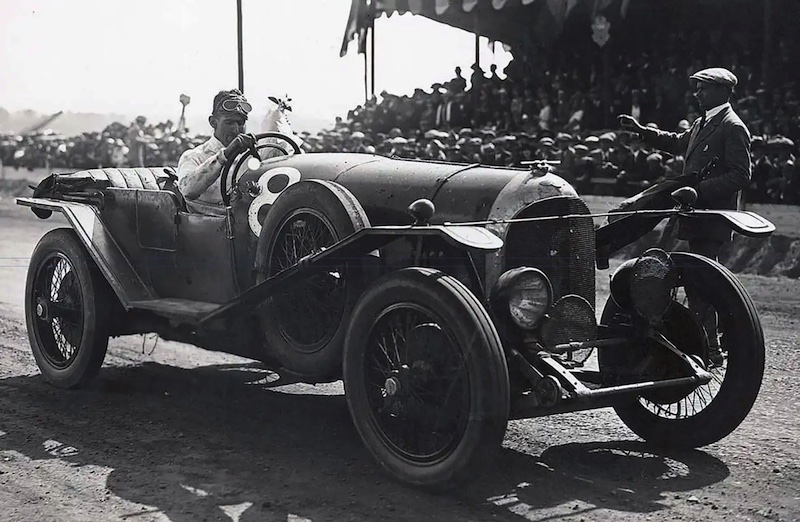
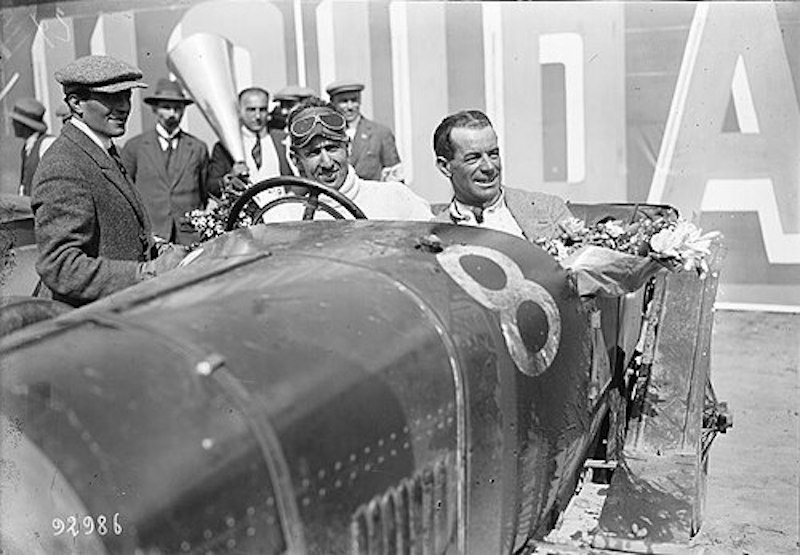
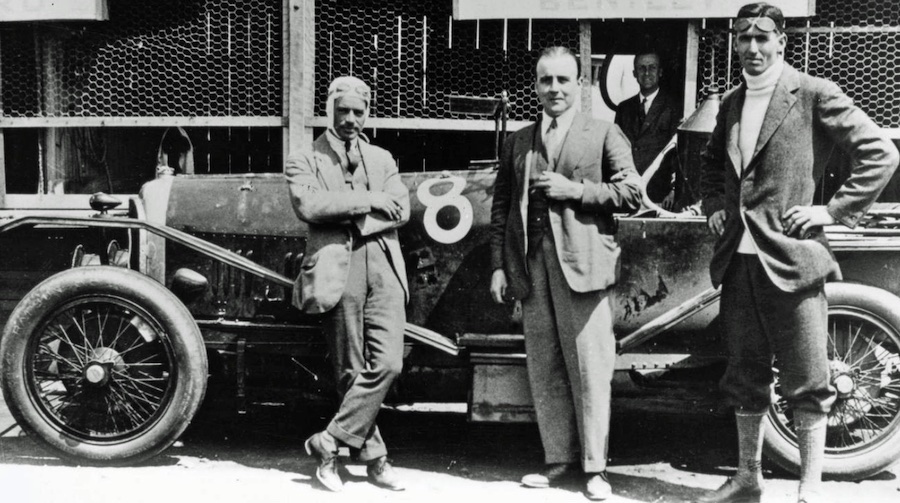
W.O., Duff and Clement returned to England triumphant. The year 1924 also marked the end of Harry Varley’s time at Bentley, as he was dismissed by W.O., who has grown tired of the acrimonious relationship between Burgess and Varley.
1925
In preparation for the 24 Hours of Le Mans in June 1925, the Bentley teams decided to double their chances by preparing two cars. Thus, the inseparable Duff and Clement went to La Sarthe with a new pair: Dudley Benjafield and Bertie Kensington-Moir.
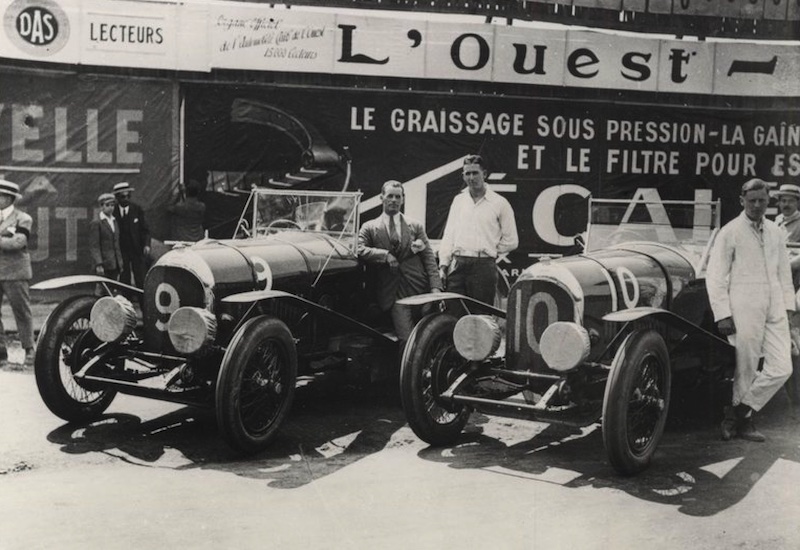
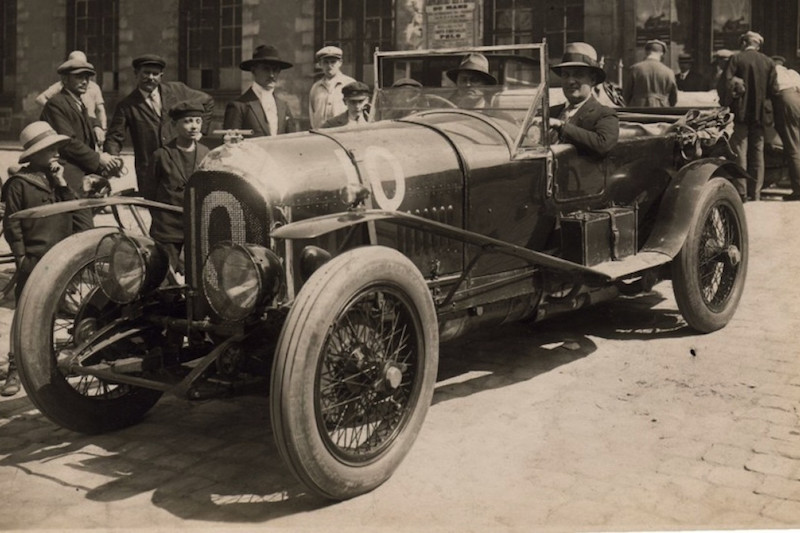
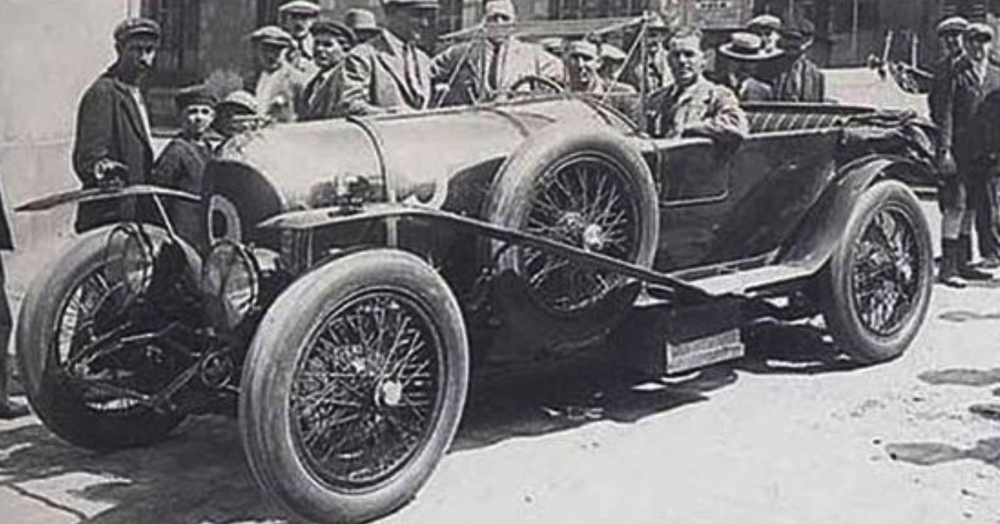
The year 1925 saw the introduction of the ‘Le Mans-style start’: the drivers faced their cars parked at an angle on the other side of the track. At the signal, each driver ran, jumped in, started the engine and set off on the course.
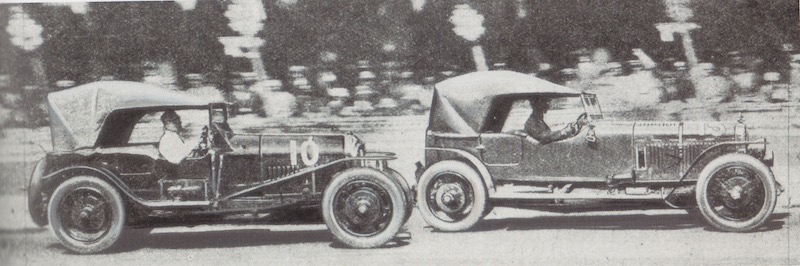
Unfortunately, it was a disaster for the Bentley team: the No.10 3 Litre car driven by Benjafield and Kensington-Moir did not make it past the eighteenth lap due to running out of fuel. The rules still required the hood to be put up after the fifth lap. This created enormous wind resistance, and a battle ensued between the No.10 Bentley and Henry Seagrave’s Sunbeam. The fuel tanks of both cars were emptying far too quickly and everyone on the track knew that no refuelling was allowed before the 20th lap.
The Duff/Clement duo had a little more luck but no great feat, initially suffering the same misfortune as their friends: running out of fuel before the 20th lap. On this occasion, Duff resorted to a subterfuge: he lied to the race marshals and claimed that a fuel line had broken. Clement joined him with a jerry can and, thanks to a clever diversion, they managed to refuel enough to reach the pits for a full refuelling. Unfortunately, on the 64th lap, a float from the carburettor of the No. 9 Bentley jumped out of its tank, causing a fire to start and the car to retire at 5 a.m.
The honours went to France thanks to the victory of a Lorraine Dietrich. Of note was the presence of two drivers, Sammy Davis and Jean Chassagne, at the wheel of their 3 Litre Sunbeam Super Sport. Their gamble paid off, as they secured a fine second place.
Sammy Davis was an associate of W.O. Bentley from his motorcycling days, and later the editor of The Autocar magazine. As a racer, Sammy first drove for businessman and 1902 Gordon Bennett Cup winner Selwyn Edge’s S.F. Edge Brooklands AC racing team in 1921. A year later he moved to Aston Martin, for whom he helped break no fewer than 32 world and class records at the mythical circuit in Weybridge, Surrey, England.
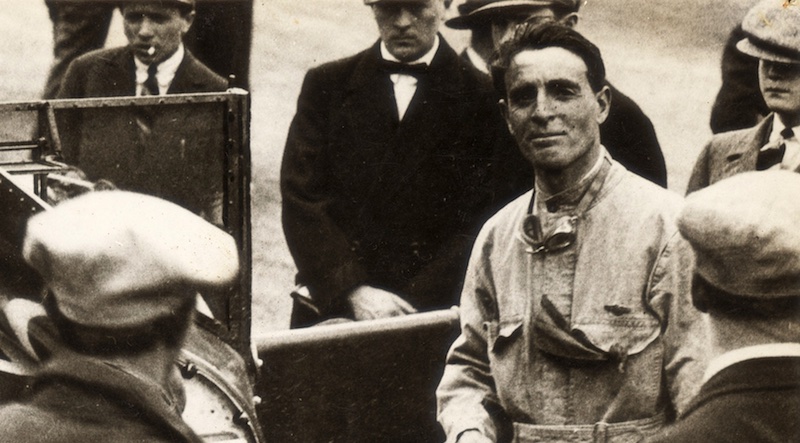
1925 saw the arrival of a new player in the team, whose role would later become crucial for the Cricklewood firm: his name was Woolf Barnato.
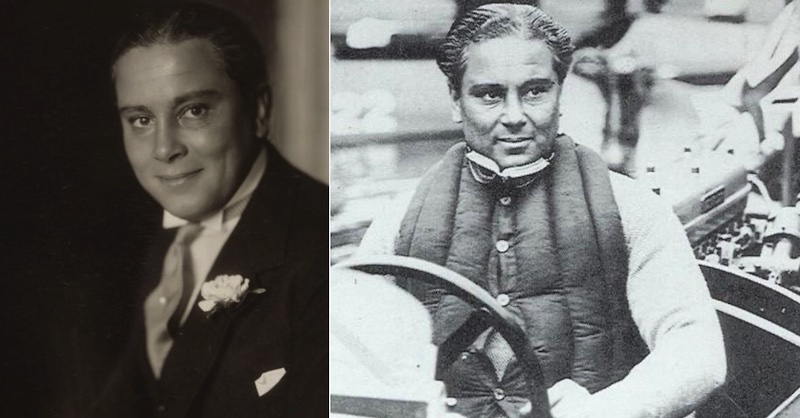
Having inherited his father’s fortune at an early age (he was only 2 years’s old), a gold and diamond mine operator in South Africa, Woolf enjoyed life. His main activities were having fun and making his money grow. He survived the First World War, emerging with the rank of artillery captain after fighting on the fronts in France, Egypt and Palestine. At the end of the war, he bought ‘Ardenrun Place’, a sumptuous mansion in the south of England, which he transformed into a playboy’s residence. In the basement, he installed a typical British pub with trompe l’oeil windows, backlit to simulate daylight. He had a golf course built in the gardens.
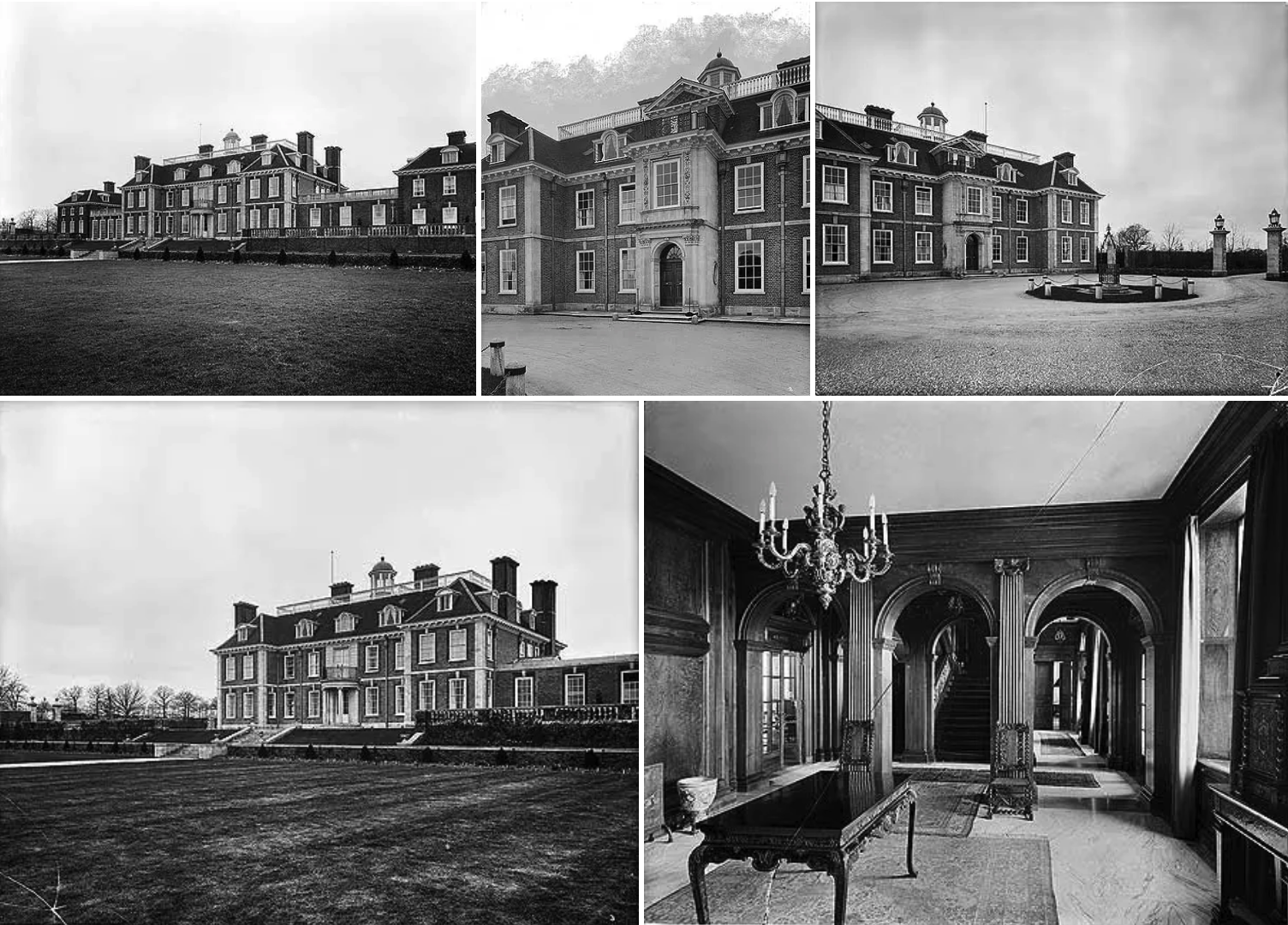
With his friends, many of whom owned Bentleys, life was all about pleasure, and the parties at Ardenrun were renowned in London high society.
They often began in the evening and ended in the early hours of the morning with the election of the most elegant young lady, who then won the right to parade around the front of the residence in Barnato’s Bentley, to the applause of the assembled guests, or at least those who were still able to clap their hands.
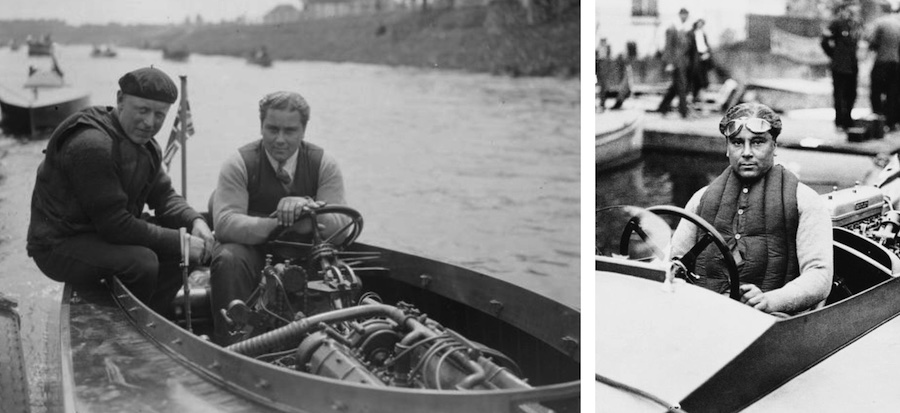
After winning several motorboat competitions, including the renowned Duke of York Trophy, aboard his boat named ‘Ardenrun V’, Woolf Barnato, nicknamed ‘Babe’ for his boxer’s build, decided to buy a sports car. As his boat was equipped with a Bentley engine, Babe naturally chose a vehicle of the same make. Immediately fascinated by its performance, he entered it in several races at Brooklands where he met other Bentley owners and drivers: Bertie Moir, Dudley Benjafield, Frank Clement, John Duff and, of course, W.O. himself. The latter, disappointed by the poor results of his two cars at Le Mans, decided to try to break endurance records elsewhere.
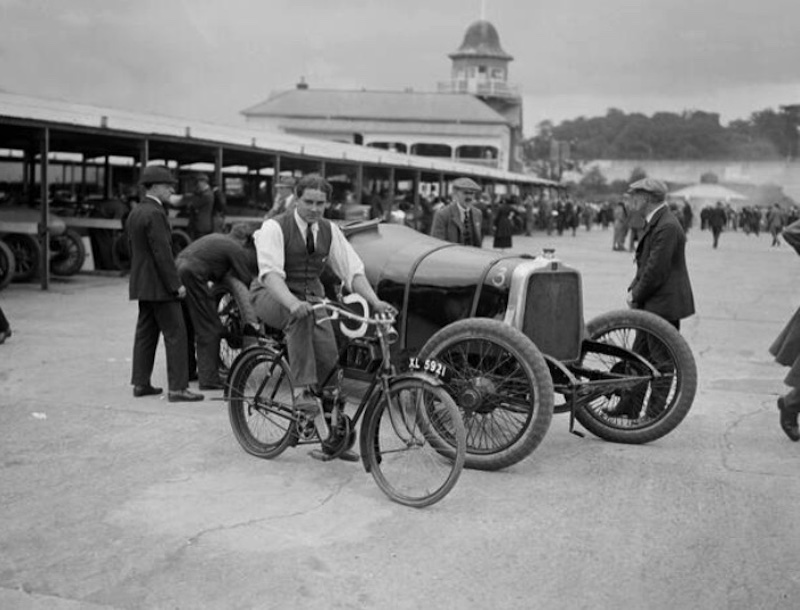
Due to its growing popularity – and not just at weekends – the British Brooklands circuit faced neighbourhood problems, forcing race organisers to make the use of exhaust silencers widespread, to the detriment of performance. As a result, on 9 and 10 September 1925, Captain Duff and Dr Benjafield chose the newly built French speed ring at Linas-Montlhery for a 24-hour distance record attempt.
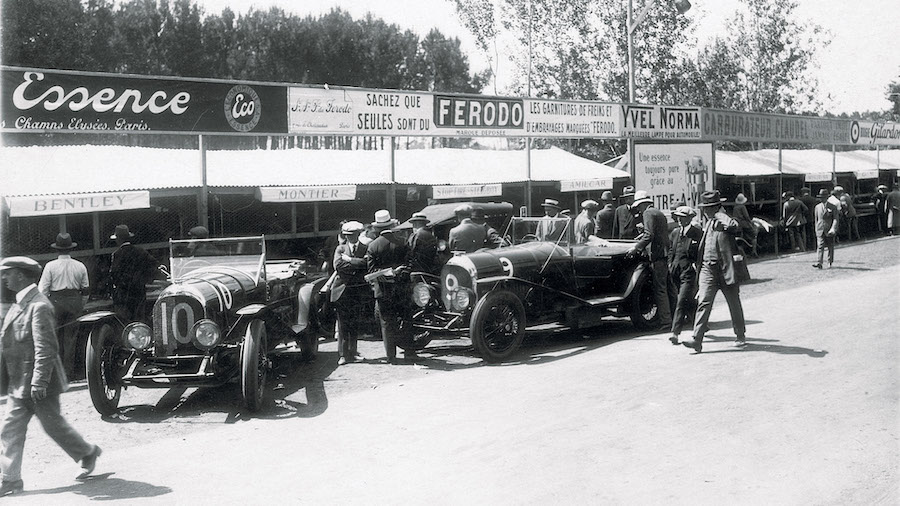
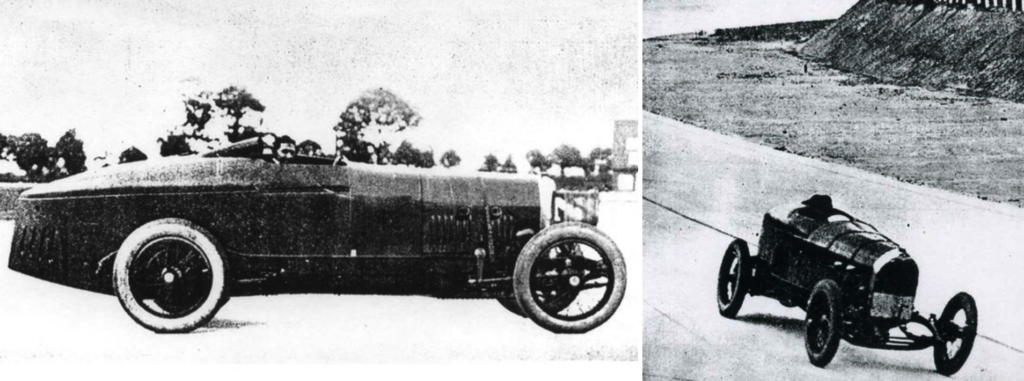
They sent a Bentley with a streamlined body. But a broken timing belt put an end to their ambition after 18 hours. The Bentley still managed to set two speed records: 1,000 km in 6 hours 23 minutes and 1,000 miles in 10 hours 15 minutes.
Woolf Barnato, now friends with John Duff, decided to return a few days later, on 21 September 1925. On a wet track and in foggy conditions, captains Duff and Barnato achieved their goal: 2,280 miles (3,700 km) in 24 hours, at an average speed of 95.02 mph (153 km/h). This record had previously been held by the Renault 40 hp with a 9 Litre engine. Another victory to add to Bentley’s list of achievements.
1926
In March 1926, a team consisting of Barnato, Benjafield, Kensington-Moir and Clement attempted to break the coveted 24-hour record again at the Montlhéry circuit, but without success. The same thing happened in June, with Barnato, Clement and a newcomer: George Duller, a jockey who had swapped horseshoes for horsepower. This gentleman driver, who started racing in 1921, also competed at Le Mans in 1925, driving a Sunbeam. He was a regular at society events.
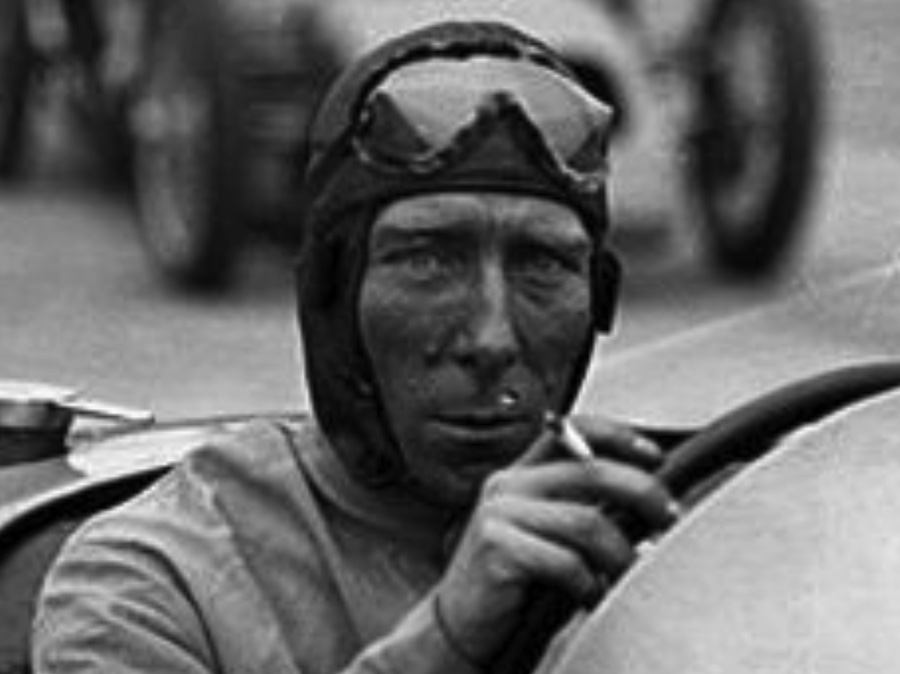
The attempt came to an abrupt end when Duller, after spinning out, returned to the pits in the night, feverish. As his stop was not planned, he found no one there except a young mechanic from the team. Listening only to his courage, the latter jumped behind the wheel of the car. Less than a lap later, he crashed violently off the track. The others, alerted by the sound of the accident, found him under the car, seriously injured. Fortunately, the young technician recovered from his injuries after a long convalescence. His name was Walter Hassan. Much later, he became Jaguar’s technical director and it is to him that we owe, in particular, the V12 engine of the feline brand.
Meanwhile, the technical team was preparing a new engine to replace the venerable 3 Litre engine, which was beginning to show its limitations. W.O. initially thought of adding two cylinders to the 3 Litre block, bringing the displacement to 4½ Litre over six cylinders. A prototype was built and christened ‘The Sun’.
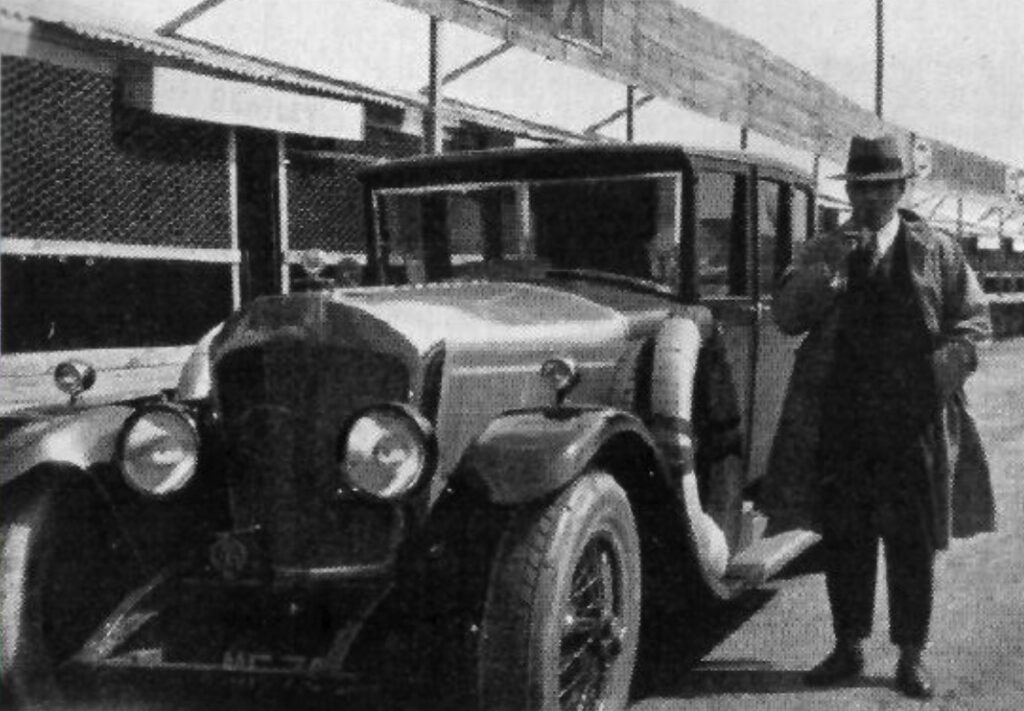
During a trip to France, where speed limits on the roads were much less restrictive (at the time!) than in Great Britain, the model proved to be flexible and powerful. On his way back up to northern France, he happened to come across a test driver at the wheel of the brand new Rolls-Royce Phantom equipped with a 7.7 Litre engine. Immediately, an impromptu race ensued between the two men. The Bentley maintained a clear lead from start to finish, but it wasn’t enough for W.O. Back in Cricklewood, he decided to increase the bore significantly to bring the displacement up to 6.6 Litre. This time, the power was there. The new model, christened the Bentley 6½ Litre, went on sale in 1926. However, its chassis, reinforced to accommodate the powerful engine, was very heavy and hampered the overall performance. As a result, the tyres wore out very quickly. These factors prevented the 6½ Litre engine from achieving success in competition.
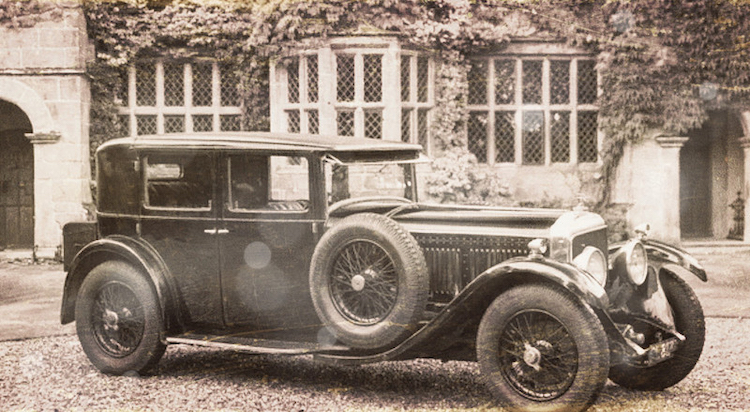
W.O. then worked on a lighter version of the 6½: a 4½ Litre 4-cylinder engine that was nothing more than a 6.6 Litre engine with two cylinders removed. This new engine would not see the light of day until 1927.
As in many other countries, the years 1925/1926 also marked the beginning of an economic recession in Great Britain. Bentley began to encounter financial problems. Woolf Barnato made a significant investment in the company, becoming its main shareholder and its director in 1926. The original company was wound up and existing creditors paid off. Barnato devalued the original £1 shares to one shilling, and implemented a restructured share capital of £175,000. With apparent calm restored, the reconstituted firm could better afford to go racing – with the gossip-column attraction of Barnato himself on the team – and continue with its new-model development.
Woolf Barnato wanted to breathe new life into the brand, shaking off the conservatism instilled by its creator. The new Bentley Motors’ board prompted the departure of Horace Milner (H.M.) Bentley – W.O.’s brother – and A.F.C Hillstead (first sales manager for Bentley Motors) with W.O.’s own sphere of influence being gradually reduced to control of design and competition.
To ensure the continuity of the Cricklewood firm’s image, the team prepared for the 1926 Rudge-Withworth Cup and thought big. No fewer than three cars were prepared. Two were Speed Models, a version equipped with two new SU carburettors designed to better feed the 3 Litre engine. The third was a Super Sport model, with a more streamlined body, equipped with a twin SU carburettor engine and increased compression ratio.
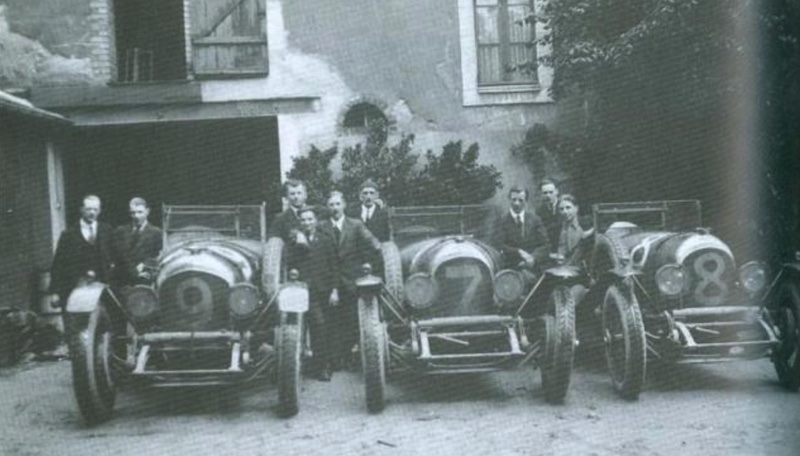
A young driver made his debut for the occasion: Tom ‘Scrap’ Thistlethwaite. Born in 1903, he did not fight in the First World War. Heir to a large fortune, he seemed intent on squandering it as quickly as possible. A rather eccentric character, one of his favourite pastimes was to build small structures in the cellar of his Hampshire residence so that he could destroy them with explosives…
At the start of the 1926 24-hour race, he provided his own Bentley Super Sport, in which he was partnered by veteran mechanic Clive Gallop.
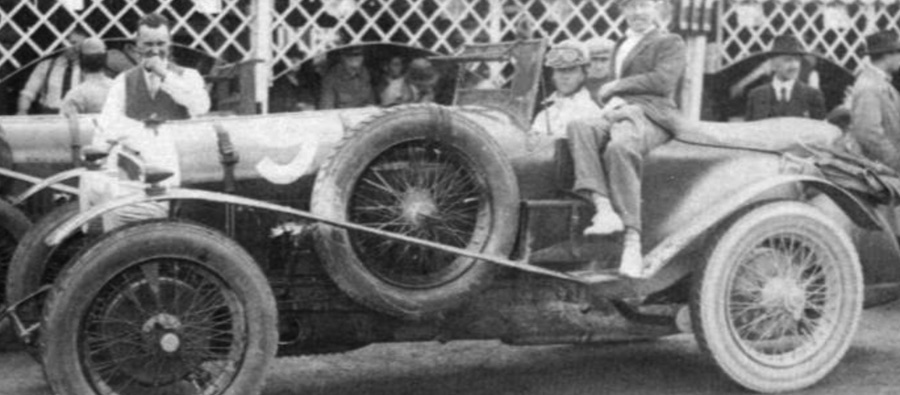
Dudley Benjafield was partnered by journalist and racer Sammy Davis, who joined Bentley for this edition.
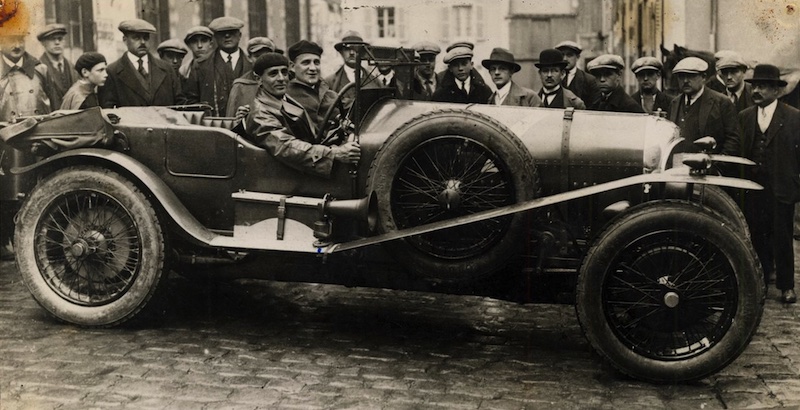
George Duller and Frank Clement teamed up in the second Speed Model.
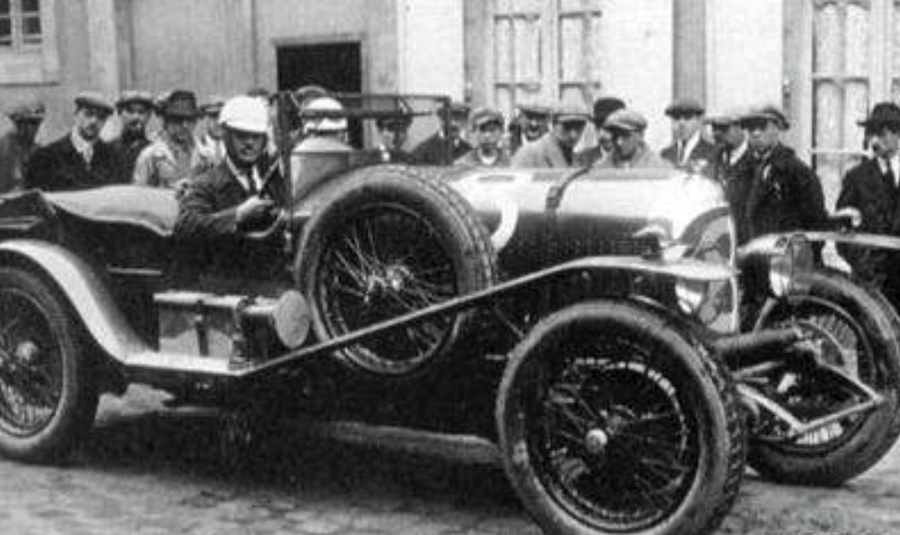
The rules had changed once again. From now on, the cars would start with the hood up and complete 20 laps before being allowed to remove it. As in 1925, a herringbone start would be mandatory. The distances to be covered in 24 hours, as well as the average speeds required, had increased once again.
Unfortunately, once again this year, fate was not kind to the British drivers. After initially getting stuck at Mulsanne, a valve broke on the Duller/Clement Speed Model on the 72nd lap.
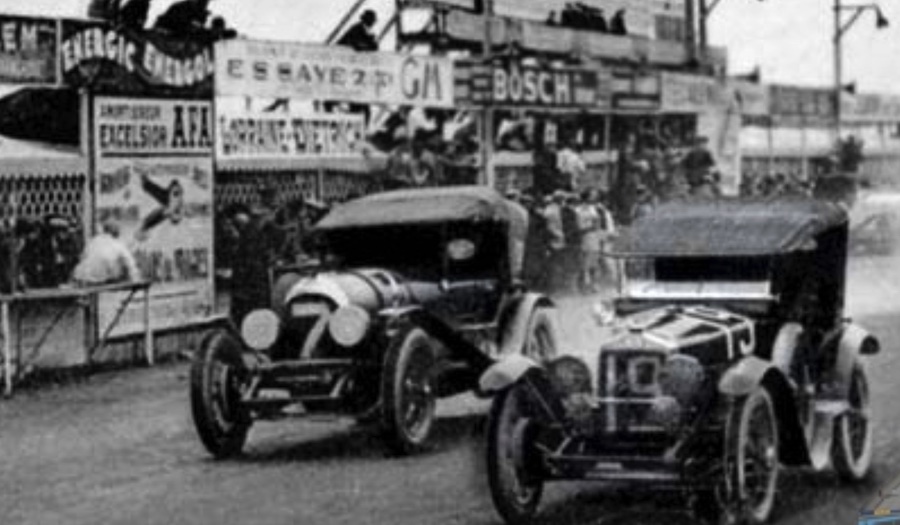
A stubborn rocker arm would defeat the Super Sport driven by Thistlethwaite/Gallop on the 105th lap, at around 9 a.m. As for Old Number Seven, the Speed Model driven by Benjafield/Davis, it would end its race in the sands of Mulsanne on the 138th lap, 20 minutes before the end of the race. At the time of the incident, it was in second position in the overall standings. Even at that time, the crews were learning the hard way that a 24-hour race is only won at the end of the 24 hours, and that there is no point in celebrating before then.
The 1926 Rudge-Withworth Cup was therefore no better a year than 1925 for the Bentley team. Three Lorraine Dietrichs took the top three places.
1926 also coincided with John Duff’s departure for the United States. In search of new challenges, the first of the Bentley Boys took part in a few major events before suffering a serious accident in Salem, north of Boston. Following this event, Duff decided to end his racing career.
1927
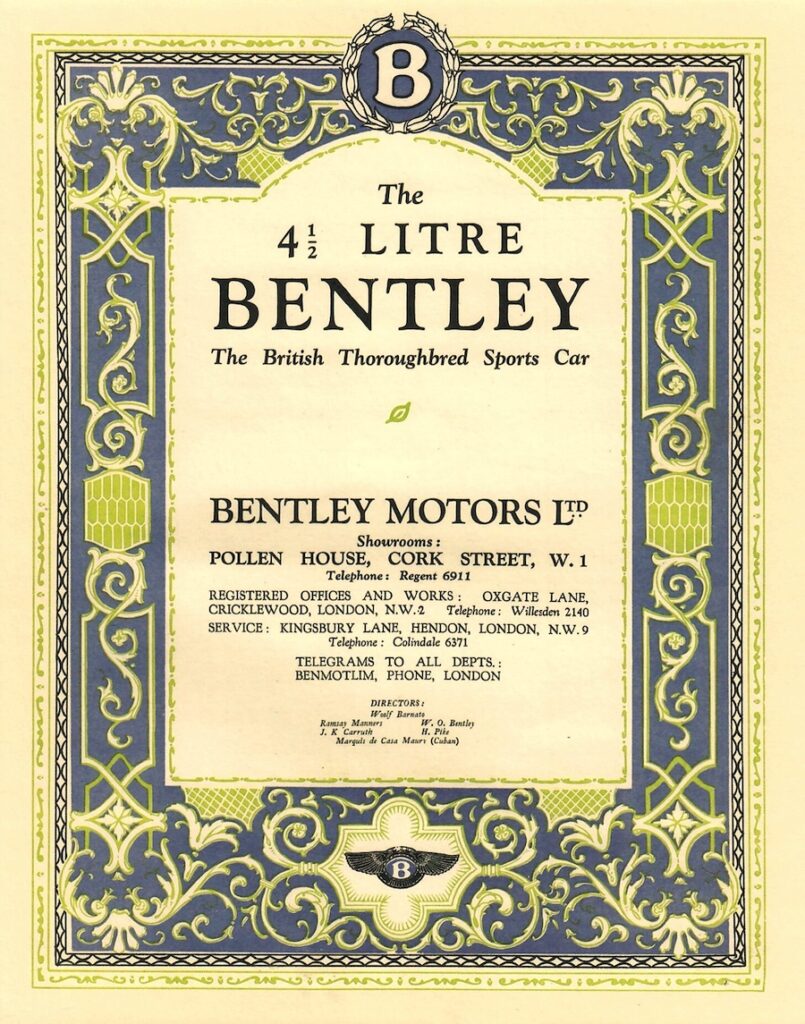
Ultimately, the defeats of 1925 and 1926 would pave the way for future victories. Although W.O. said he took full responsibility for the previous failures and drew conclusions from them by retiring from motor racing after the end of the 1926 Rudge-Withworth Cup, he succumbed to Benjafield’s powers of persuasion and Barnato’s millions. And so, in the spring of 1927, four Bentleys lined up on the starting grid for a six-hour race at Brooklands. As explained above, it had become clear since 1925 that the venerable 3 Litre, even in its Speed and Super Sport versions with twin SU carburettors, was becoming less and less competitive on the track. It was the right moment for the the 4½ Litre model, now ready for action, to make its debut!
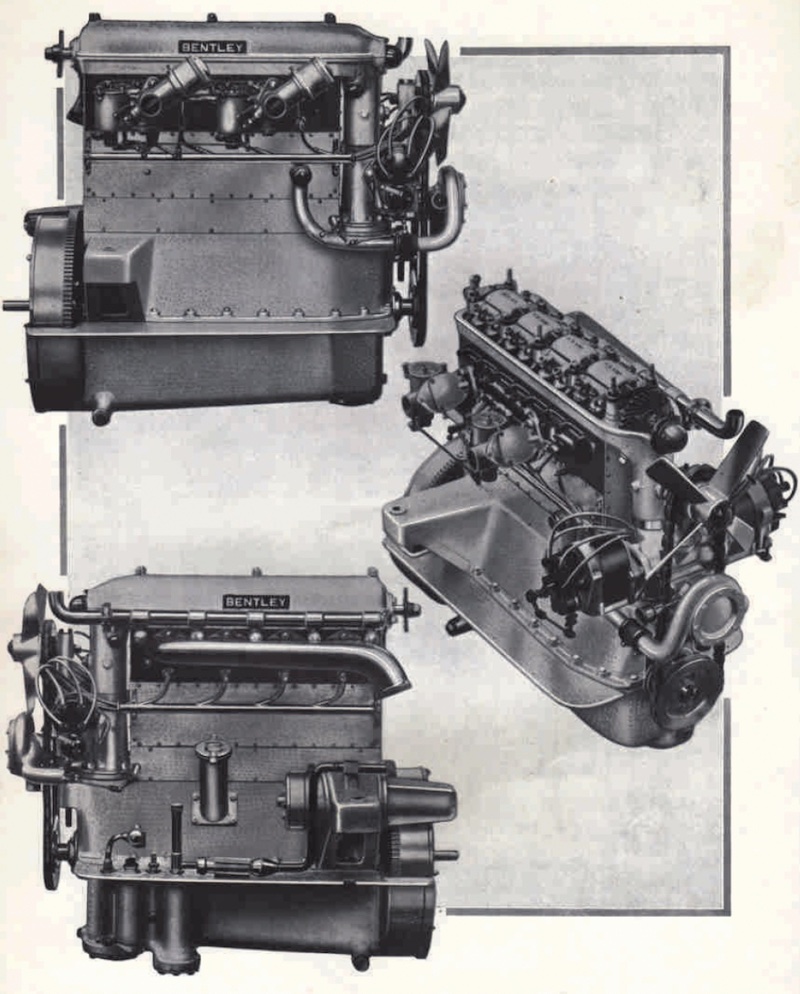
The new 4½ Litre model retained the chassis, transmission and brakes of the 3 Litre model, to which was added an engine that was essentially two-thirds of the 6½ Litre six-cylinder. The new four-cylinder engine (at a 30-degree angle) retained the bore/ 100 x 140 mm bore/stroke of the six-cylinder and the familiar Bentley architecture of four valves per cylinder and a fixed cylinder head, but returns to the vertical camshaft drive at the front of the 3 Litre. This was a technically advanced design at a time when most cars used only two valves per cylinder. The camshaft is driven by bevel gears on a vertical shaft at the front of the engine, as on the 3 Litre engine.
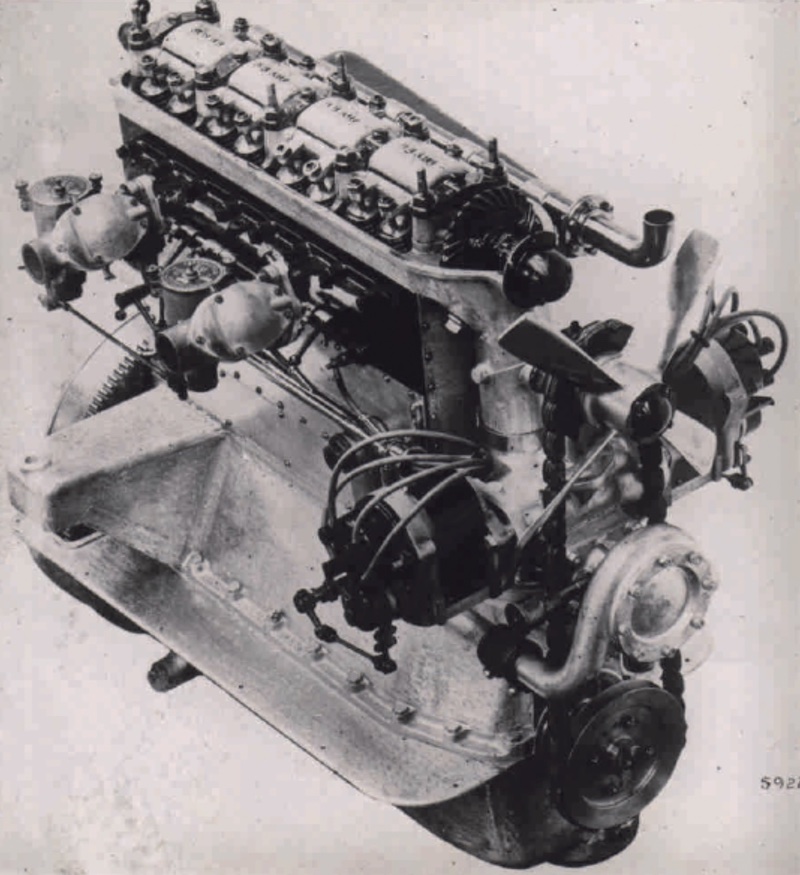
The crankshaft and camshaft each have five bearings, while cooling is provided by a pump and fan.
Although the Bentley 4½ Litre was heavy, weighing 1,625 kg (3,580 lb), and spacious, with a length of 4,380 mm (172 inches) and a wheelbase of 3,302 mm (130.0 inches), it remained well balanced and manoeuvrable. The manual transmission, however, required some skill, as its four speeds were not synchronised.
The strength of the 4½ Litre’s steel lattice chassis, reinforced with tie rods, was necessary to support the heavy cast iron inline four-cylinder engine. The 4½ Litre used a 10ft 10 in (3.3 metres) wheelbase chassis as standard, while nine special “lightweight” cars were added to customer order on 9ft 9½in (2.9 metres) frames. All vintage Bentley frames were made by Mechans of Glasgow before being shipped to Cricklewood.
With its two twin carburettors and Bosch twin magneto ignition, the 4,398 cm³ (268.4 cu in) engine was considered ‘resolutely modern’ for its time. It also developed a high power output of 110 bhp.
On the other hand, the brakes were not particularly innovative, as they were conventional, impressive 430 mm (17-inch) drum brakes, slotted for better cooling and operated by cable. The front axle was rigid, while the rear axle was supported by semi-elliptical leaf springs at the front and rear.
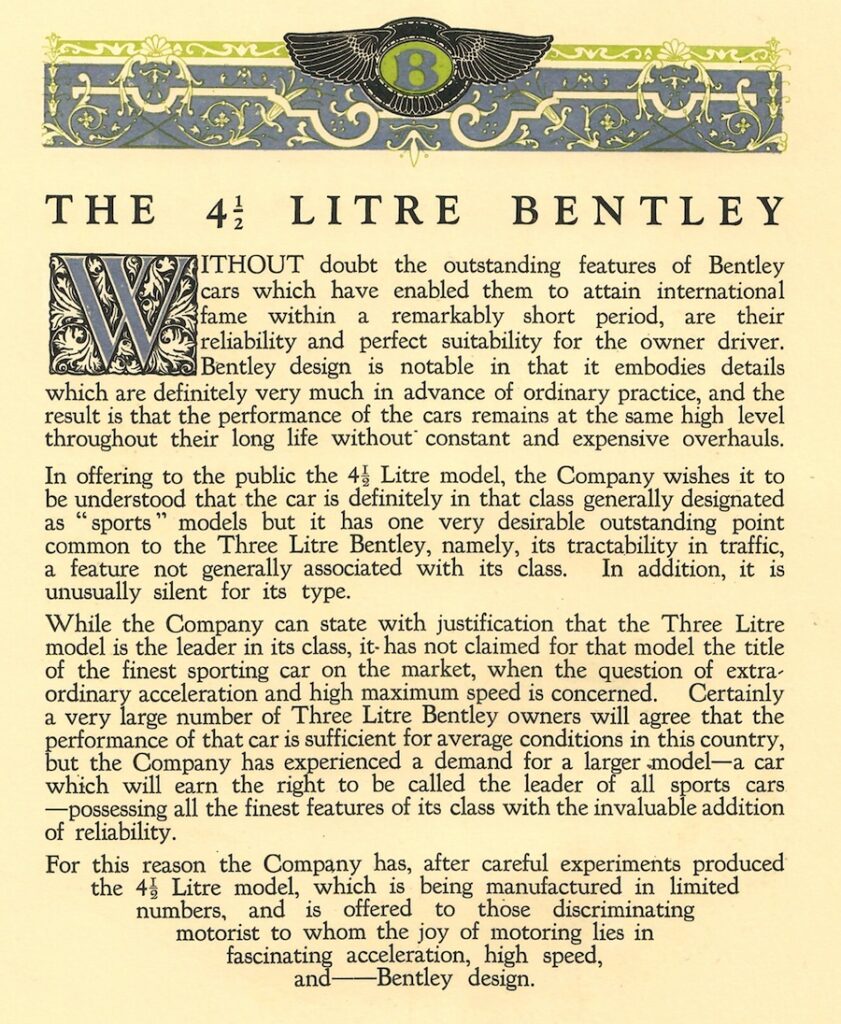
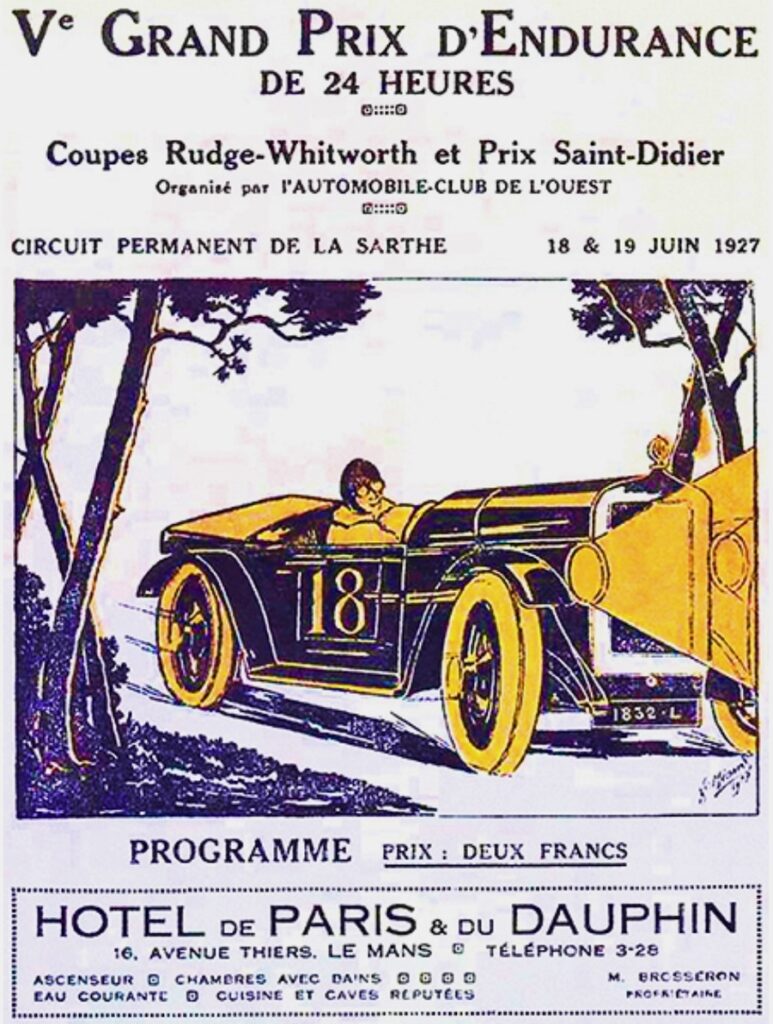
Bentley Motors wasted no time in testing its new car in competition at the hands of the ‘Bentley Boys’ from the factory. It was therefore with high hopes that the fifth edition of the Rudge-Withworth Cup began on 18 and 19 June 1927. The three cars were ready: there were two 3 Litre Speed models and the brand new 4½ Litre.
Benjy Benjafield and Sammy Davis were back in Old Number Seven, which was returning to service for this edition. George Duller was once again entrusted with a car. He would be teaming up with a Frenchman: the very mysterious Baron André d’Erlanger, about whom little is known except that he was a French playboy. A colourful aristocrat who had met the Bentley Boys at social events.
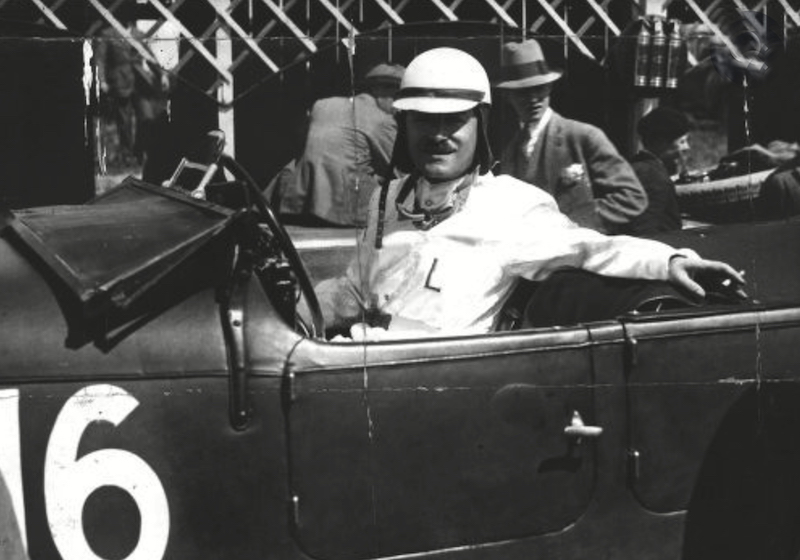
The last car, the Bentley 4½ Litre, nicknamed Old Mother Gun, took to the Le Mans circuit in the expert hands of Frank Clement. He was accompanied for the occasion by Leslie Callingham, a Bentley Boy for a day, who would not be seen again in this team, but who would make a few appearances on the circuits, notably with MG.
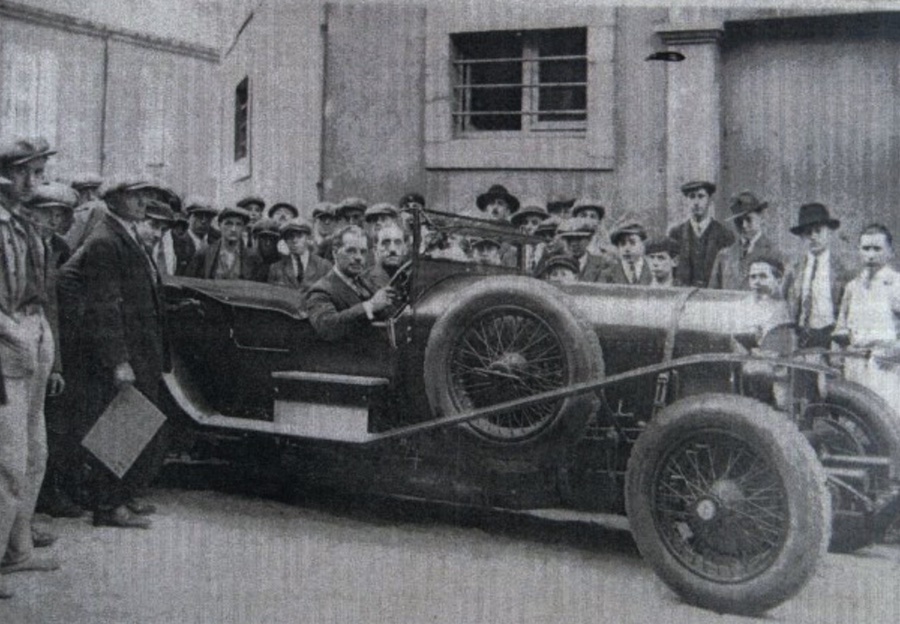
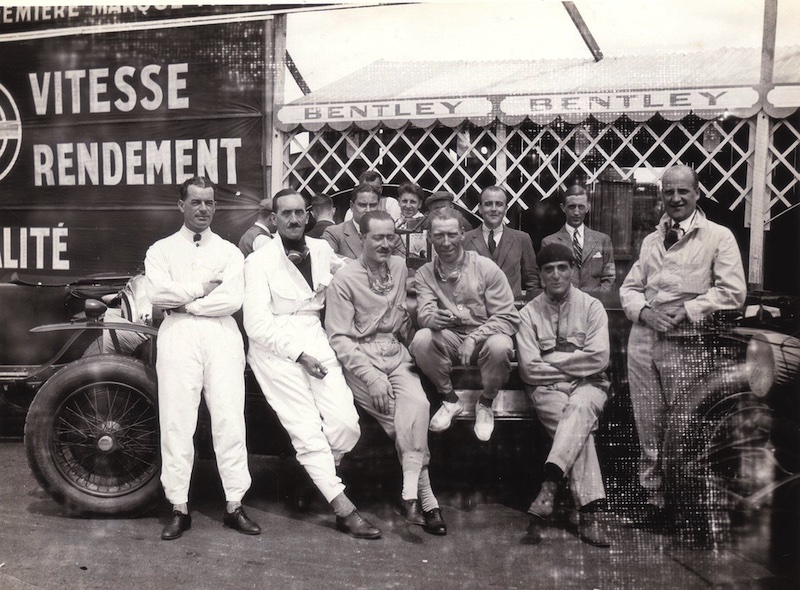
The race got off to a good start for Bentley. There were few participants this year: only 23 cars at the start. Among the notable absentees were Lorraine-Dietrich, who seemed unwilling to put their title on the line, Chenard & Walker, who lacked the necessary funds, and Peugeot. Apart from our British drivers, there were only French drivers.
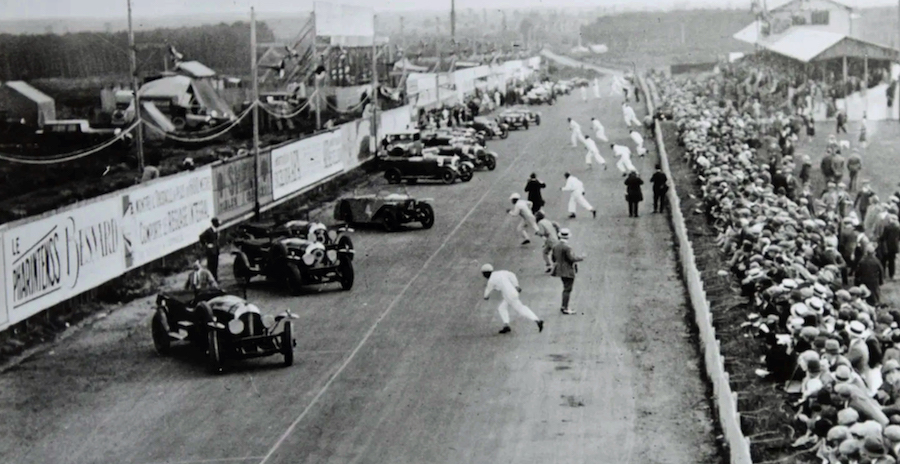
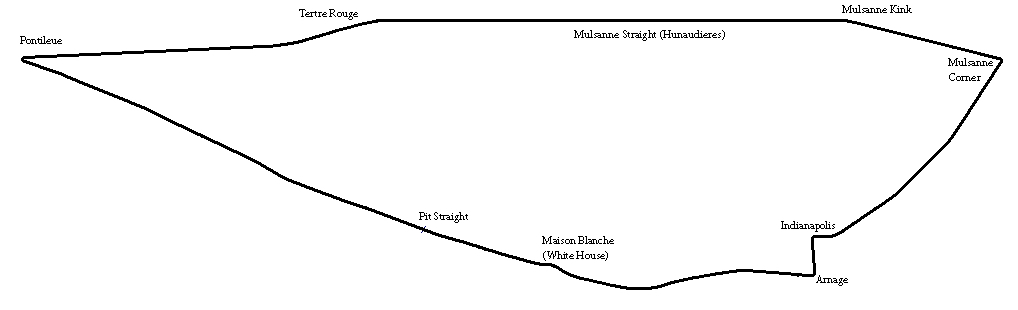
From the first few laps, Clement/Callingham’s 4 ½ Litre took the lead. The other Bentleys followed. On the 35th lap, in the Maison Blanche corner, the driver of Old Mother Gun saw, too late, gravel on the road and then a competitor across the track. Callingham was unable to avoid him and collided violently, then veered off the track. Behind him came George Duller, who in turn collided with the first two cars. Duller was thrown out and struggled to get up, covered in blood and groggy. Then, as if that weren’t enough, it was Davis’s turn to enter the Maison Blanche corner. He saw the pile-up, but it was too late for him too. He braked with all his might. The Bentley skidded and crashed into the pile of wreckage formed by the other damaged vehicles. At first glance, all the Bentleys appeared to have been destroyed in the same accident.
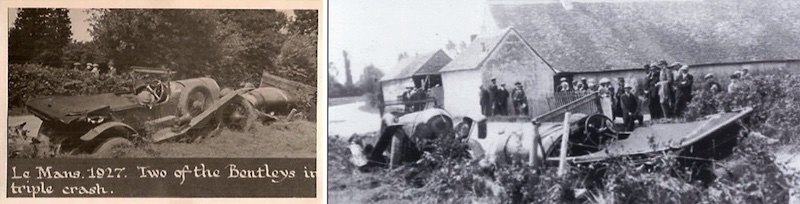
Against all odds, Sammy Davis managed to restart Old Number Seven. That was his mission: he decides to bring it back to the pits at all costs. The chassis is twisted, as is the front axle. One headlight has been destroyed and the right-hand wing is almost torn off. One wheel and its steering knuckle are in very poor condition. Once back in the paddock, the situation seems almost hopeless, but after some quick repairs, his teammate Benjy Benjafield takes the wheel.
Taking a few precautions, he discovered that the car was responding rather well to his commands. Although the race seemed lost, the crew gradually climbed up the rankings. At 1 a.m., they were two laps behind the leading Aries, driven by Jean Chassagne and Pierre Laly. During a pit stop by the Aries, Nobby Clarke is on the lookout: he seems to hear a suspicious noise coming from the French duo’s car.
As a result, Benjafield is asked to maintain the pace, if not accelerate, as far as possible. Everyone is hoping for a breakdown of the Aries. And that’s what ends up happening: shortly before the end of the race, the French team abandoned the race after their timing gear broke. Old Number Seven and Benjy Benjafield had no more opponents and sped towards an unexpected victory.
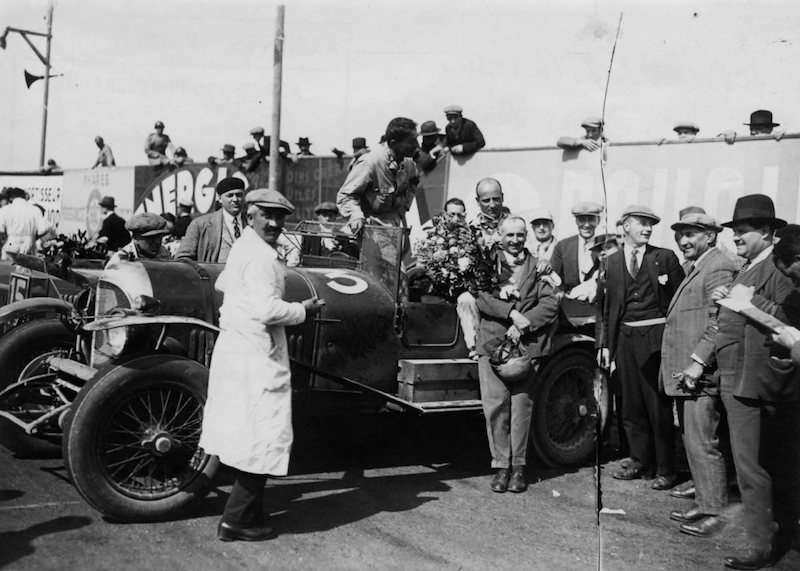
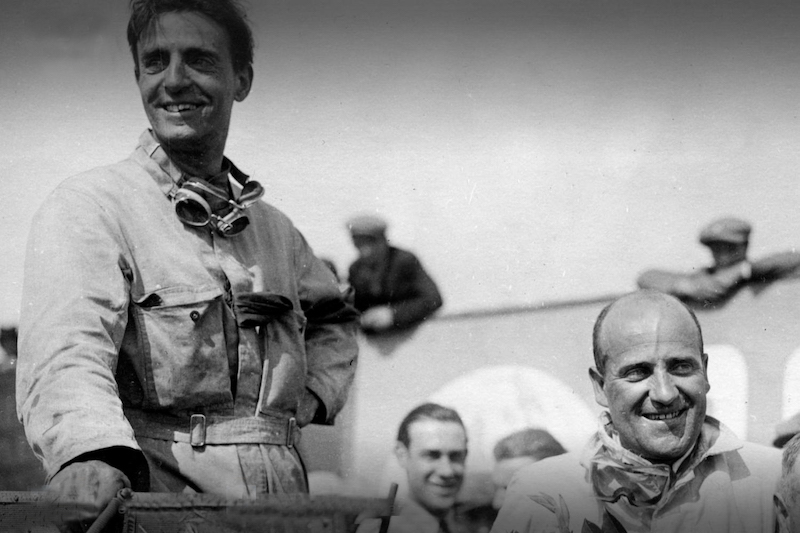
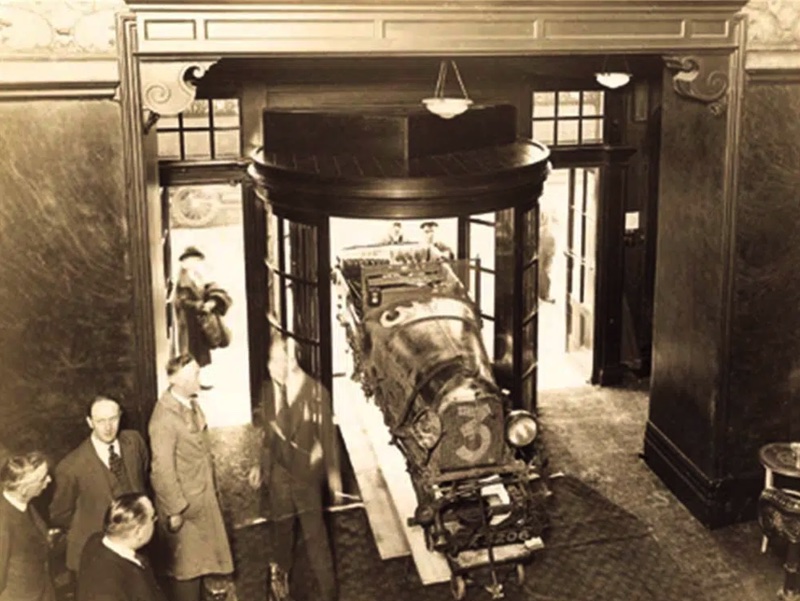
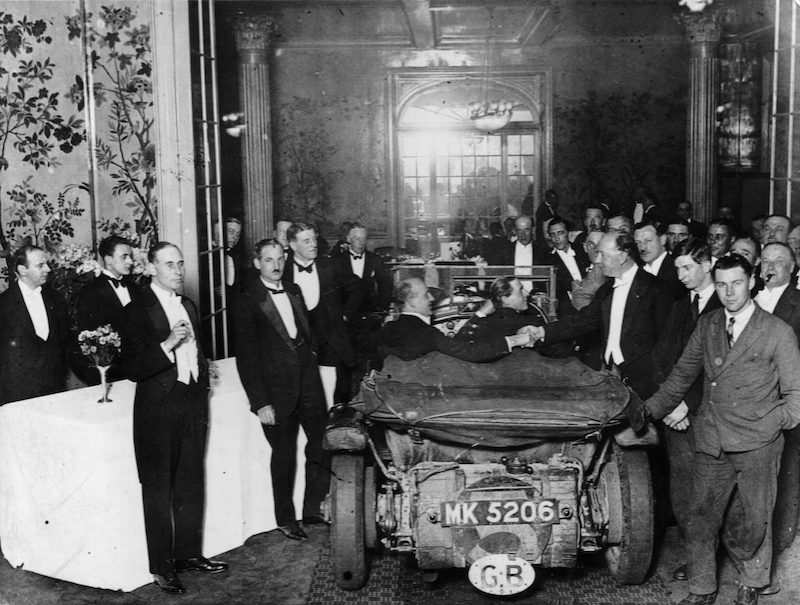
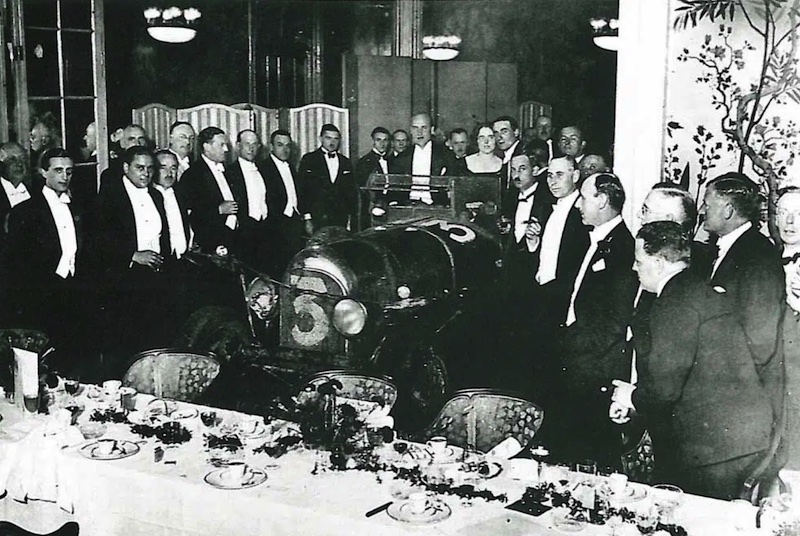
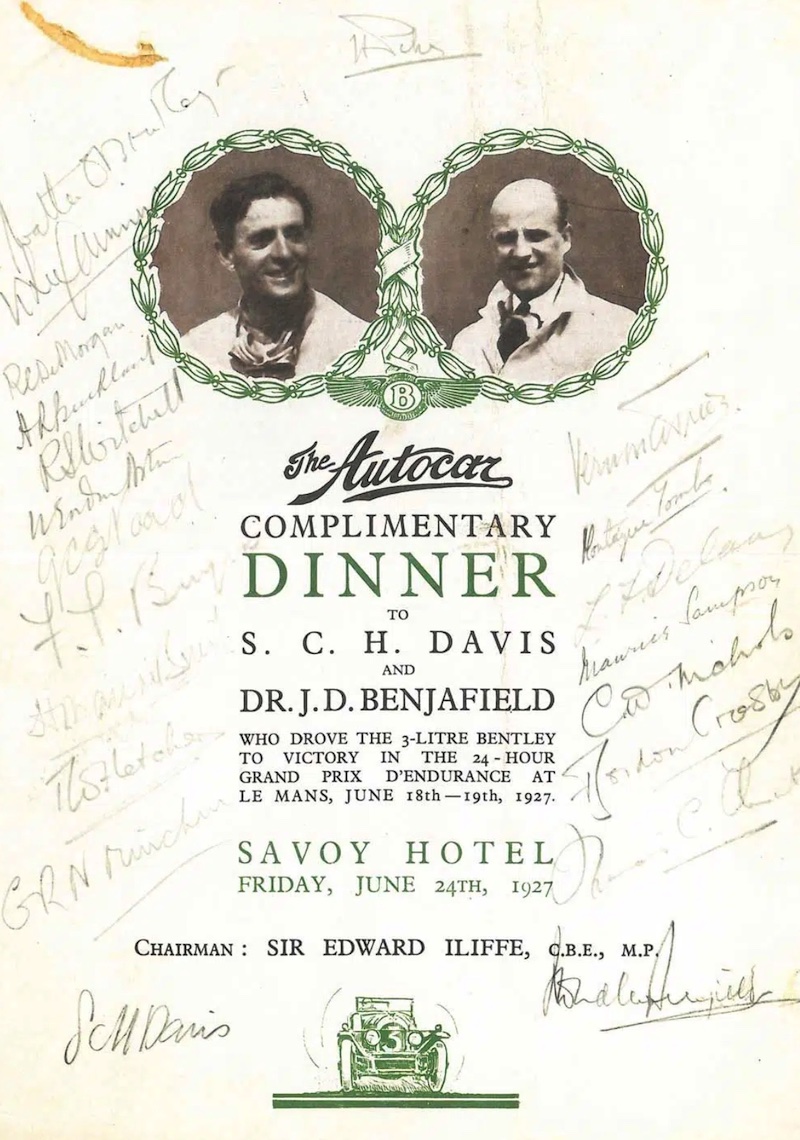
Back in London, the party held on 24 June 1927 at the Savoy Hotel was memorable. The menu was adapted for the occasion with dishes bearing appropriate names: Timbale de Sole à la Bentley, Asperges d’Argenteuil Divine à la Duller and Tortue à la Pontlieu! Among the drinks on offer was the famous Bentley cocktail (3cl Calvados and 3cl Saint Raphael red or Dubonnet red), as well as 1919 Veuve Cliquot Champagne and 1875 Courvoisier Cognac. The evening was presided over by Sir Edward Iliffe, Member of Parliament and Commander of the British Empire. He began his speech with the words: ‘I think there is someone missing tonight whose presence I feel is essential.’ At that moment, Old Number Seven makes its entrance. The car, in poor condition, is pushed into the centre of the room and still bears the scars of the race. The assembly is complete, and the party can begin. It will end late the next morning!
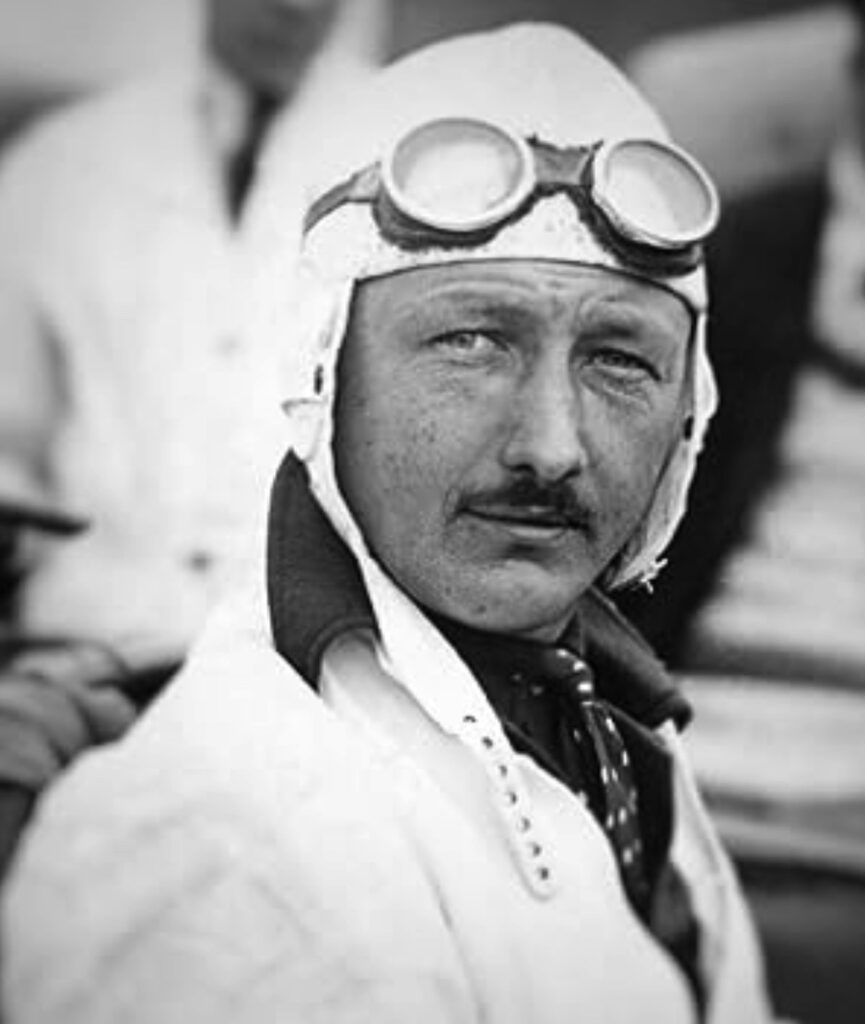
At the end of 1927, a new Bentley Boy appeared. Well known at the parties organised by Barnato, Sir Henry Birkin, a member of the English nobility, had given up motor racing following a promise made to his wife and family in 1921. But his desire to race was stronger than his promise, and when his marriage was on the rocks, Birkin decided to return to Brooklands for a 6-hour race, at the wheel of a 3 Litre Bentley. In early 1928, he bought a 4½ Litre Bentley and won a number of local races. Very quickly, “Tim” (as he was nicknamed because of his resemblance to the comic book character ‘Tiger Tim’) quickly became a regular at the Brooklands races. His distinctive feature was that he always wore a blue scarf with white dots around his neck.
1928
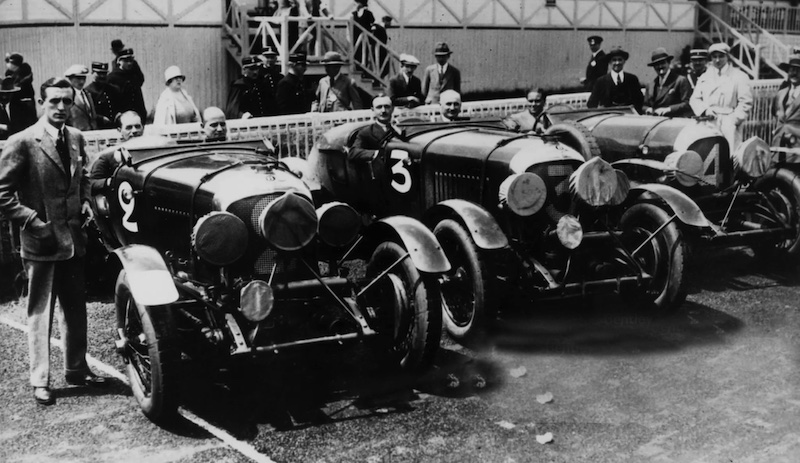
In 1928, Bentley unsurprisingly returned to Le Mans with three cars for the 6th Grand Prix of Endurance that took place at the Circuit de la Sarthe on 16 and 17 June 1928.
The Bentley cars were all 4½ Litre tourers, two of them with racing chassis. The engine put out 130 hp making them capable of a top speed of 165 km/h (105 mph).
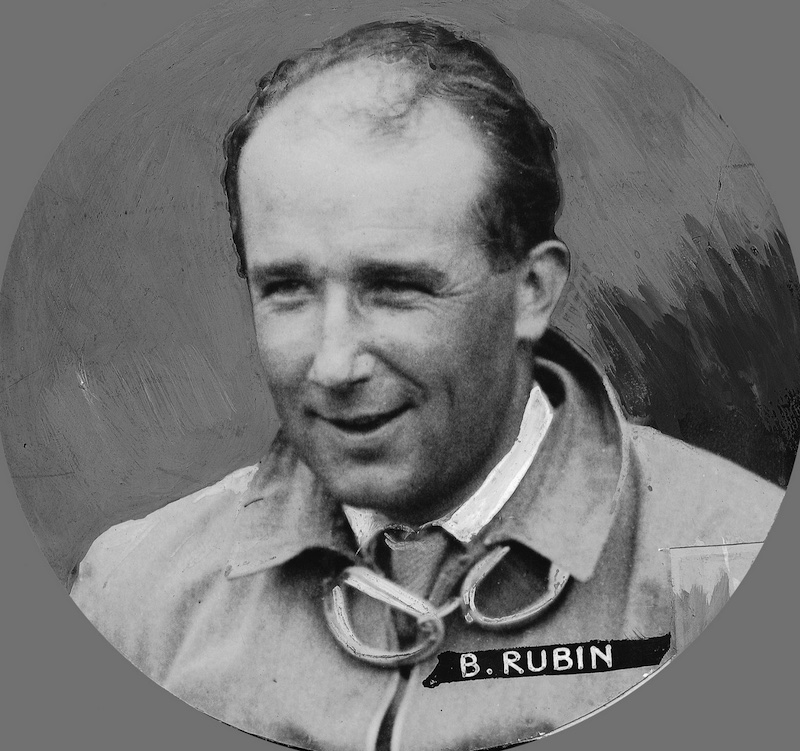
The pairings for the 1928 Rudge-Withworth Cup were as follows: Bentley director Woolf Barnato Barnato would embark on the adventure with his friend Bernard Rubin at the wheel of Old Mother Gun, the very same car that had finished the race at the Maison Blanche crash in 1927. Rubin was a wealthy Australian who sold pearls. He was seriously wounded in the legs during the First World War. After some long three years of treatment, he was able to walk again. Having become a estate agent, he struck up a friendship with his neighbour, Woolf Barnato. Rubin made his driving debut at Brooklands in 1928 where he finished in sixth place.
The 1927 winner, Dudley Benjafield, was this time paired on the second car with 1924-winner Frank Clement.
The third car was driven by Sir Henry “Tim” Birkin, who was accompanied by the experienced Jean Chassagne (nicknamed ‘Chas’ or ‘Petit Jean’), who had chased the team so hard in his Ariès the previous year. So a serious competitor became an ally.
The Americans made the trip for the first time: a Stutz Blackhawk DV16 and no fewer than four Chrysler 72-Sixes were present.
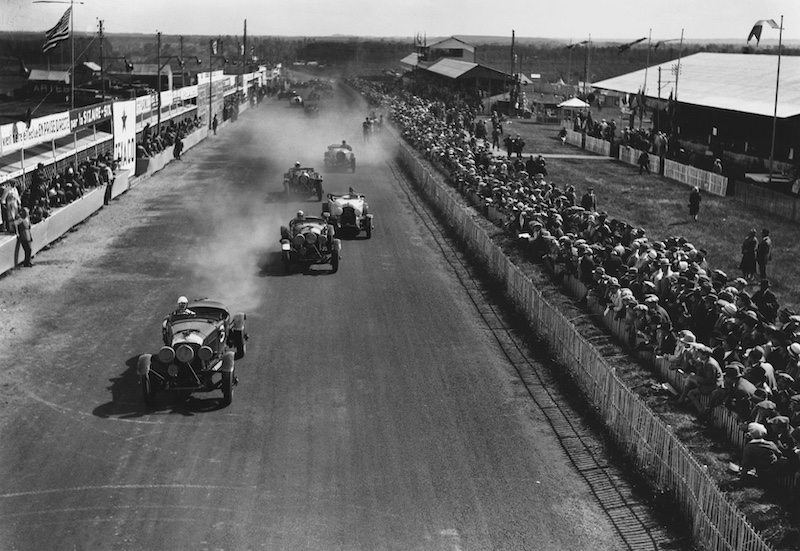
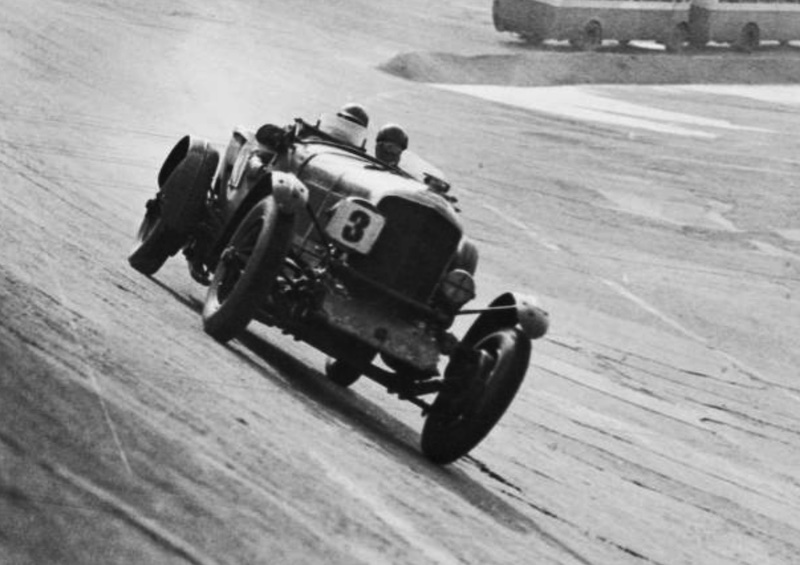
As soon as the race started, Birkin, driving the No. 3 Bentley, took off as usual with his foot flat to the floor, leaving a cloud of dust in his wake. To everyone’s surprise, he completed his first lap, beating last year’s record. He was overtaken on the second lap by the Stutz, then on the third lap by Clement. Just as he was about to regain the record, a tyre burst. The technical team had always believed that a flat tyre could not prevent a car from returning to the pits. This event proved them wrong: the shreds of rubber wrapped around the brake drum, completely blocking the wheel. It took Birkin 90 minutes to free it with a small pocket knife. Once the remains of the tyre had been cleared, Birkin got back on the road on the rim and set off for the pits at a completely unreasonable speed. Inevitably, the bare rim did not appreciate this hellish pace and quickly disintegrated, completely blocking Birkin on the track. Having no jack for reasons of weight saving, he abandoned the No. 3 Bentley and finished the lap at a run. He arrived at the pits completely out of breath and drenched in sweat.
It was then that Jean Chassagne grabbed a jack and ran back to the car. The incident cost the pair a total of three hours, but the car finished the race in a respectable fifth place. For his sporting gesture, Chassagne was presented with a special trophy by Woolf Barnato himself! But above all, he had just earned his Bentley Boy stripes.
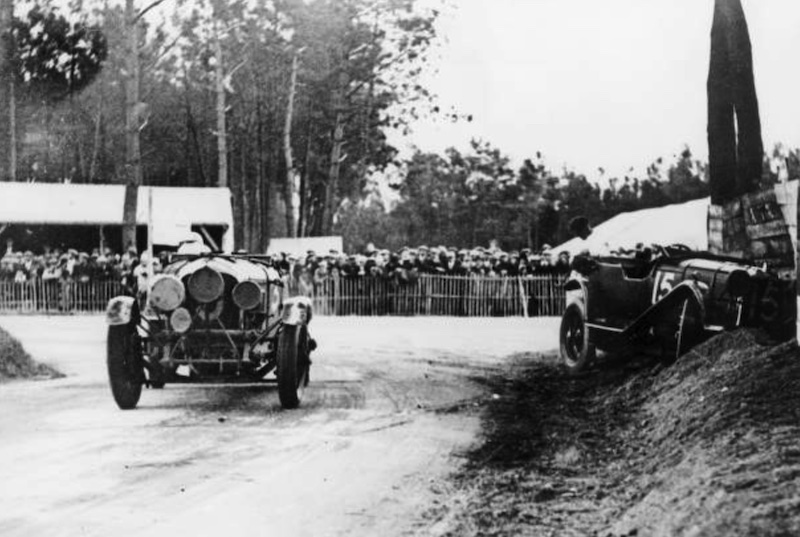
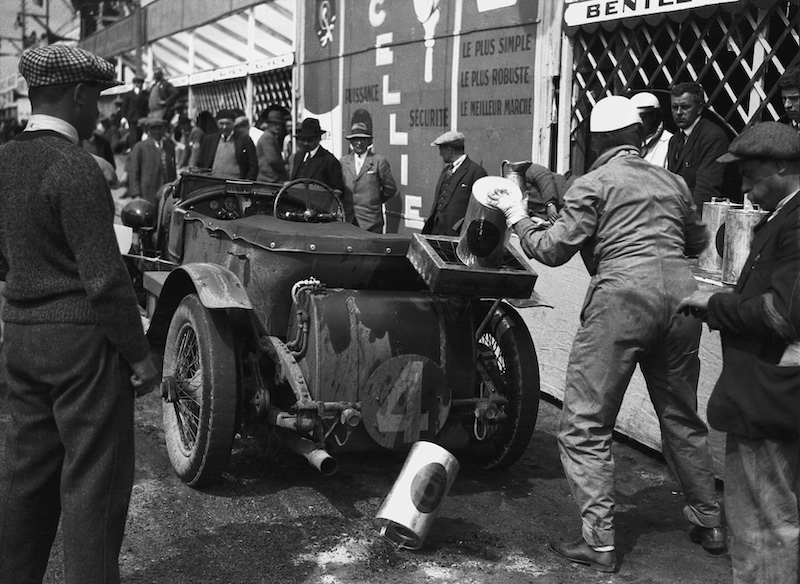
Things were much worse for the Benjafield/Clement duo, whose car suffered a number of problems. Early in the morning, Clement retired on lap 71: the chassis of the No. 2 Bentley cracked at the front axle, pushing the radiator aside and tearing off the cooling pipes. He left his car on the side of the road, in a cloud of steam.
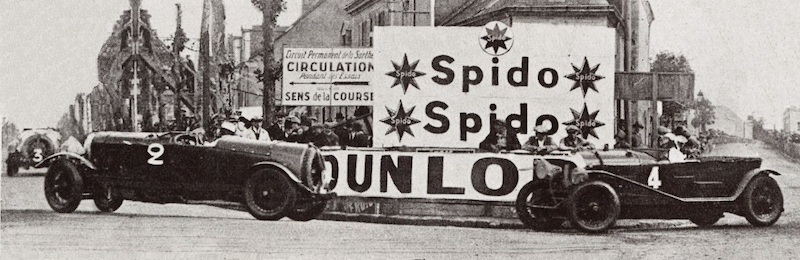
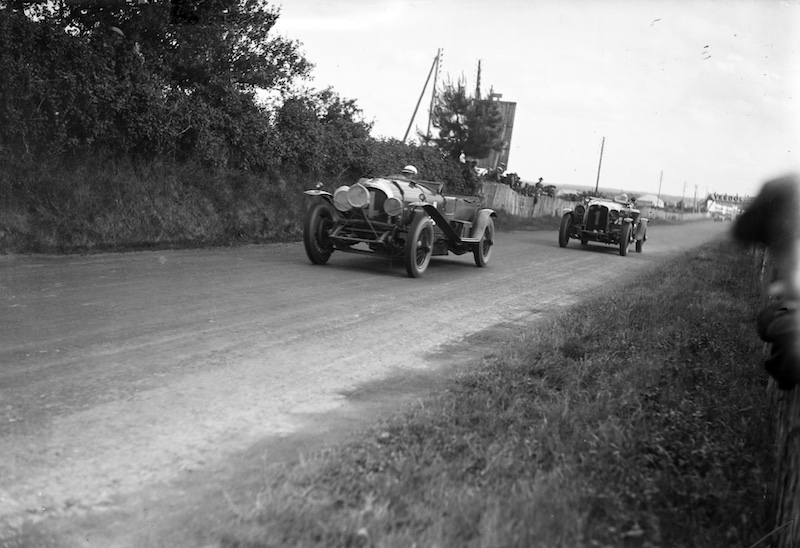
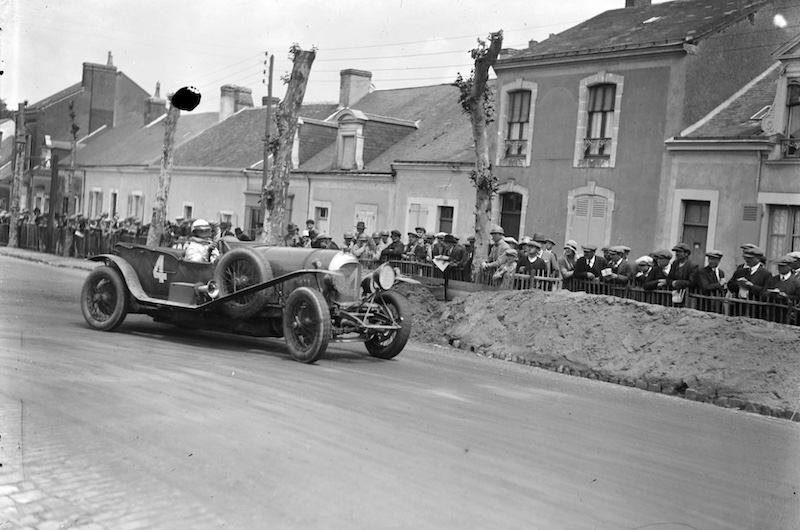
Only Barnato/Rubin remained in the race. In a constant battle with the Stutz Blackhawk driven by Frenchmen Edouard Brisson and Robert Bloch, Old Mother Gun was soon to experience exactly the same overheating problems as Benjafield and Clement, as its chassis also cracked under the strain. Fortunately, the Stutz seemed to be having gearbox problems.
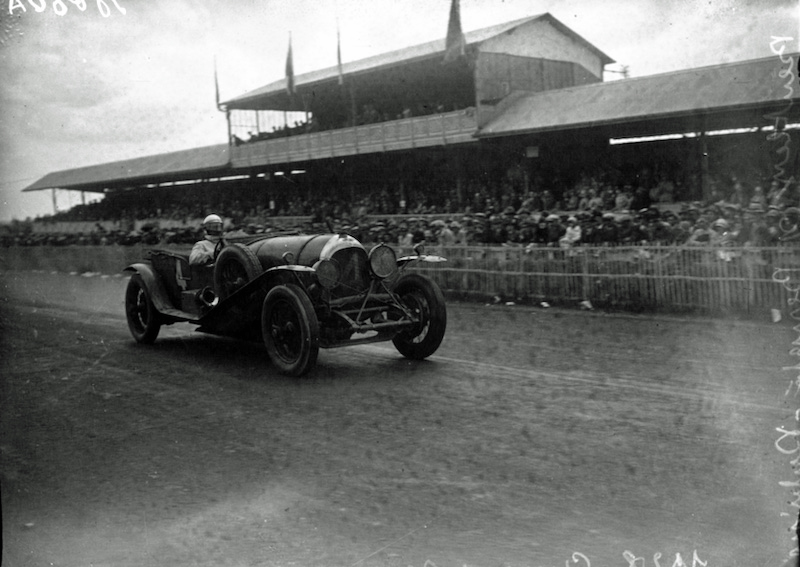
With only four laps to go, the temperature gauge is stuck in the red. Barnato speeds down the pit straight. As he passes the Bentley pit, he raises both hands, thumbs down, signalling to his team that the worst is to be expected. the fact that the bonnet of the No. 4 Bentley was slightly raised to allow cool air to flow around the engine left no doubt as to the state of affairs. But Barnato fought on for the remaining 65 kilometres to the chequered flag and finally crossed the finish line with a completely dry radiator… but in the lead.
It was another epic victory for Bentley, with a new average speed record of 111.22 km/h (69.11 mph)!
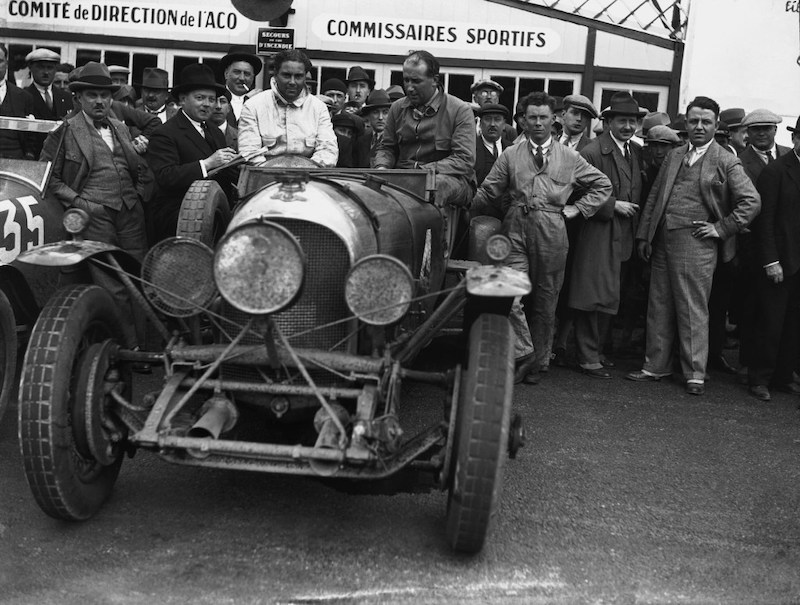
After the memorable evening at the Savoy in 1927, the team gathered in a smaller group on Friday 27 July at the Lyons Corner House brasserie on Coventry Street. This may because this evening was organised by Barnato himself, rather than by Autocar magazine as in 1927, that it took place in a simple brasserie. Although extremely wealthy, the man was not necessarily known for his generosity.
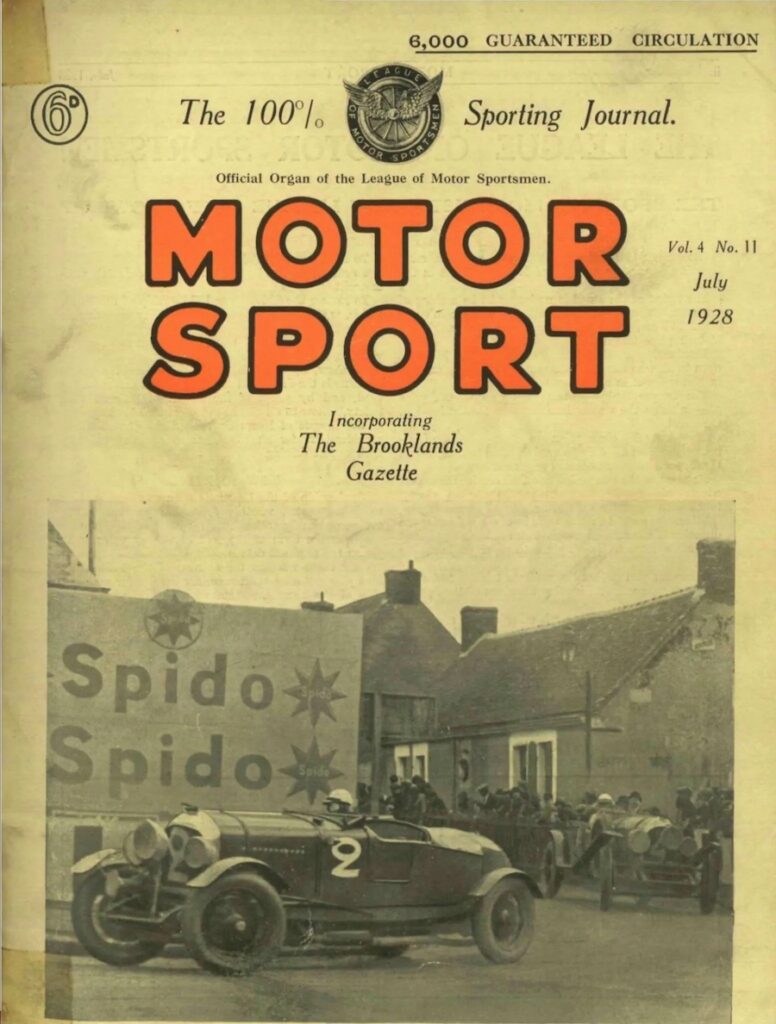
Meanwhile, W.O.’s men had not given up on the idea of building a 6-cylinder racing engine. As the 6½ was not powerful enough, they decided to try to build a sportier version. The plan was to add a second carburettor and improve the compression ratio. This time, the power was there. With the progress made by tyre manufacturers in terms of reliability, this new car, christened the ‘Speed Six’, became competitive and it was obviously tempting to try to race it on the track.
1929
It was during the 1929 Double Twelve at Brooklands (two 12-hour races) that the first Bentley Speed Six, named Old Number One, made its competitive debut. Unfortunately, it retired with a broken dynamo, despite having dominated the race from the start. The Bentley team nevertheless saw this as a sign of encouragement.
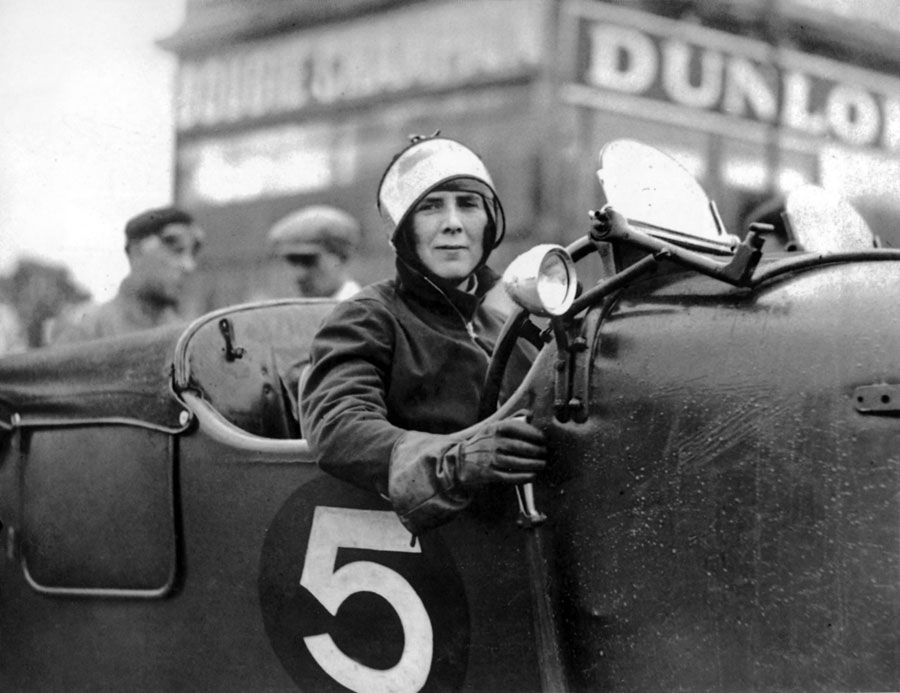
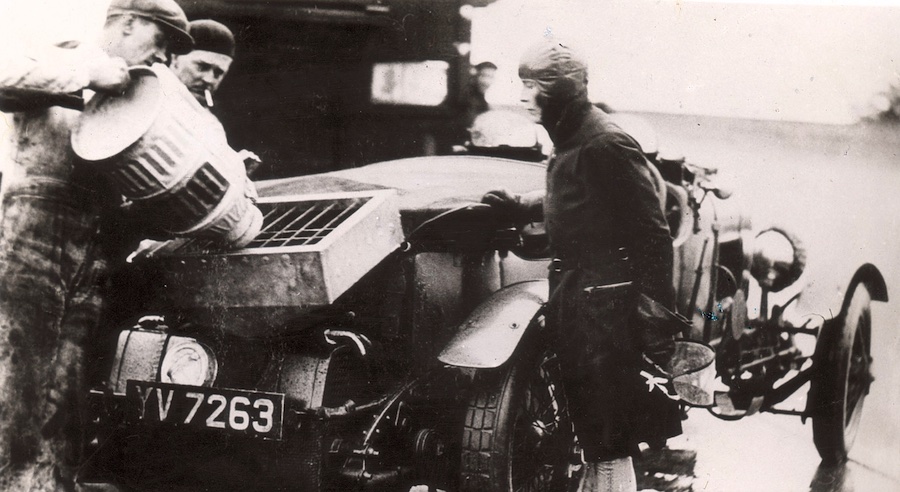
On 6 June 1929, it was the turn of a ‘Bentley Girl’ to make history. Mildred Bruce decided to attempt the 24-hour speed record, alone, at Montlhery. The Cricklewood management must have had confidence in her, as they did not hesitate to lend her a fully prepared car: the Bentley 4½ Litre that Lord Francis Curzon – Earl of Howe, and Bernard Rubin would be driving for the Le Mans 24h Rudge-Withworth Cup, scheduled to take place just 10 days later.
W.O. and Woolf Barnato provided Mildred with two Bentley mechanics to assist her in this endeavour. Mrs Bruce broke the 24-hour speed record in a solo drive, at an average speed of 89 mph (143 km/h)!
Ten days later, the British team was at Le Mans for the 1929 Rudge-Withworth Cup. Road and track tests of the Speed Six proved entirely satisfactory. It was time to test it on the Sarthe circuit.
W.O. decided to enter five cars. To do so, he decided to recruit new drivers. Young Jack Dunfee joined the team, as did Francis Curzon, Earl of Howe and Member of Parliament, who was a motoring enthusiast.
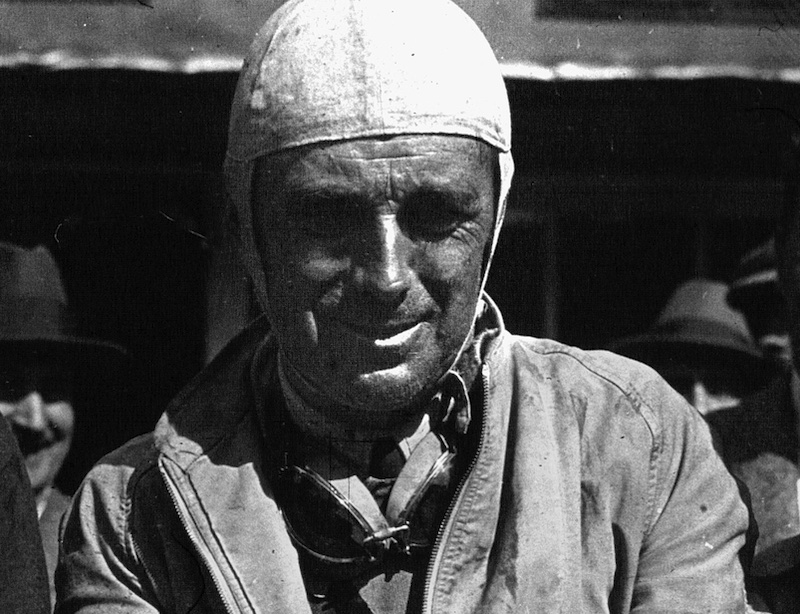
The flamboyant Glen Kidston also joined. Submariner, aviator, adventurer – and a racer, Kidston was the exact definition of a ‘Bentley Boy’! Before joining the team Kidston competed in numerous motor races including the Monte Carlo Rally, Isle of Man TT motorcycle races, and Shelsley Walsh hillclimb.
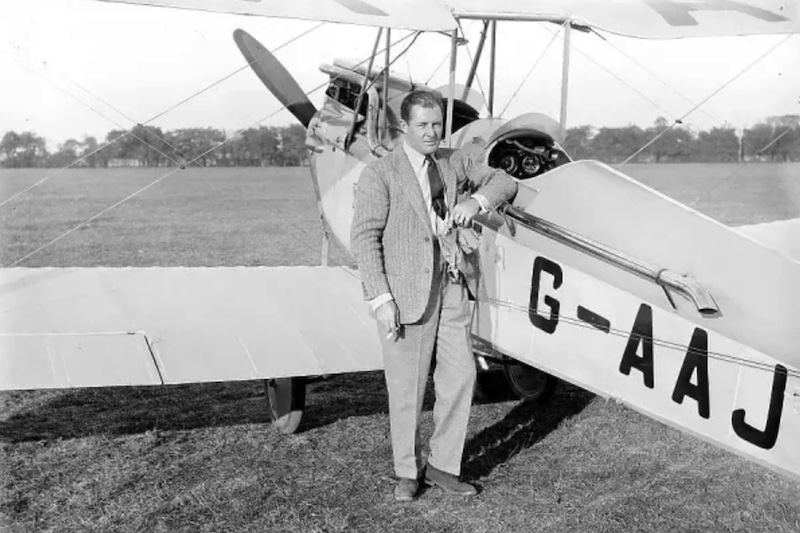
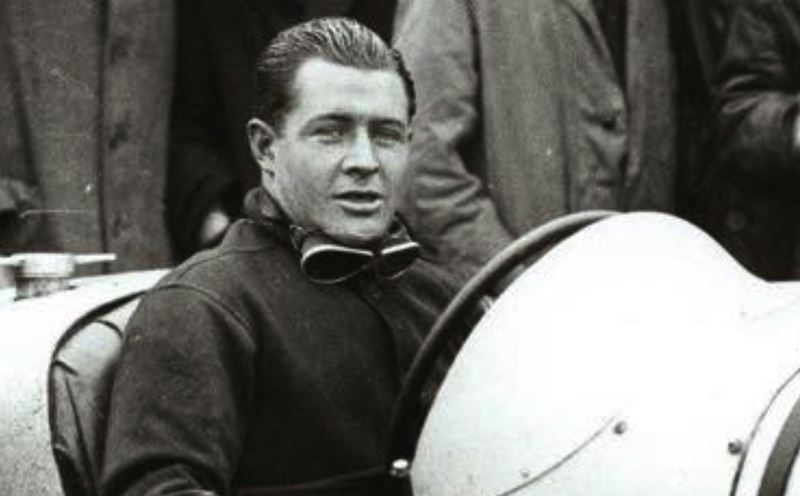
Barnato and Birkin took the wheel of ‘Old Number One’, (No.1) the only Speed Six entered.
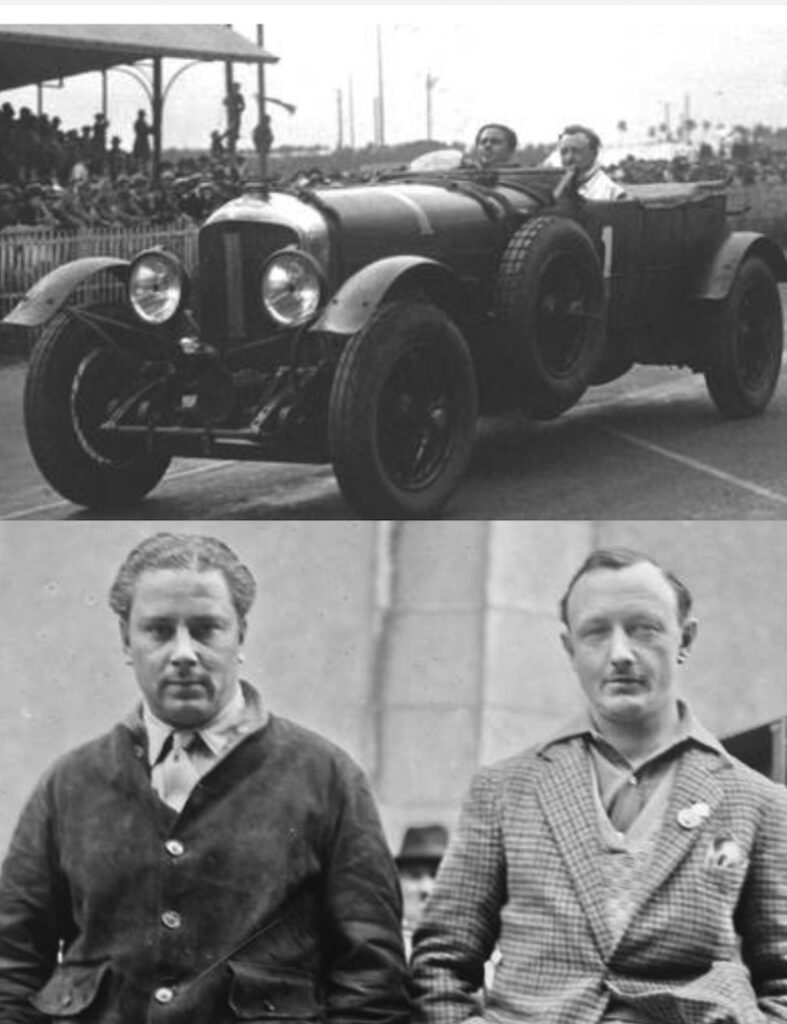
All the other eight drivers would be driving 4½ Litre.
– The first 4½ Litre (No. 9) was paired with Jack Dunfee and Glen Kidston
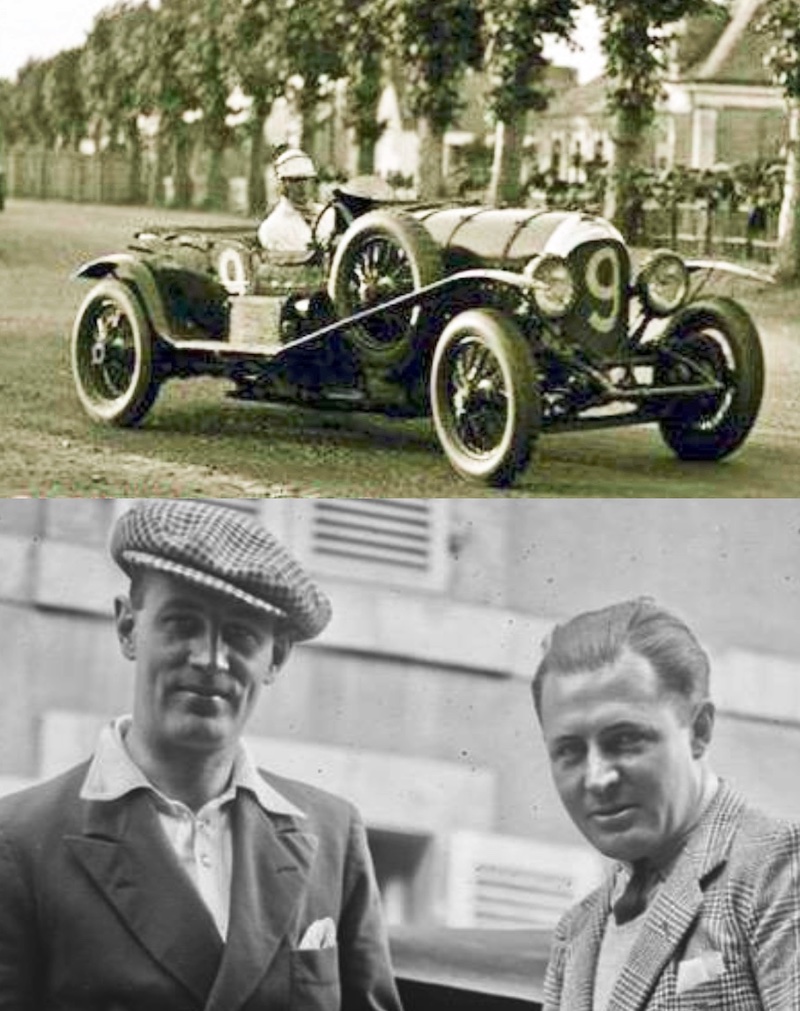
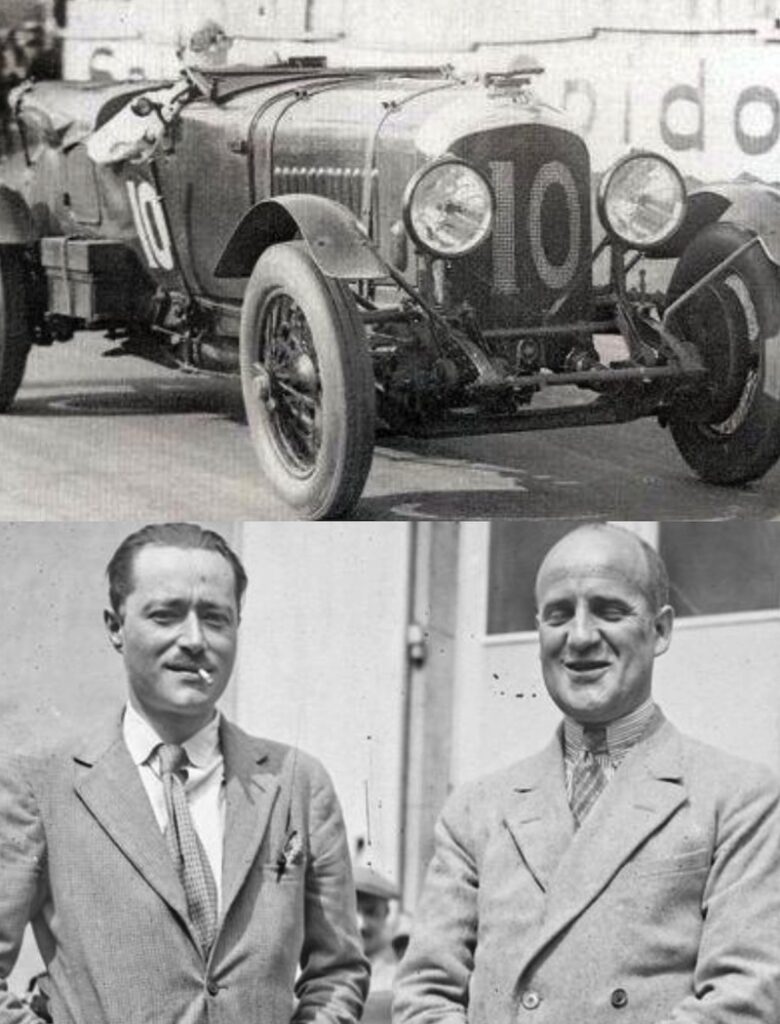
– The second 4½ Litre (No. 10) was driven by Dudley Benjafield and Baron Andre d’Erlanger.
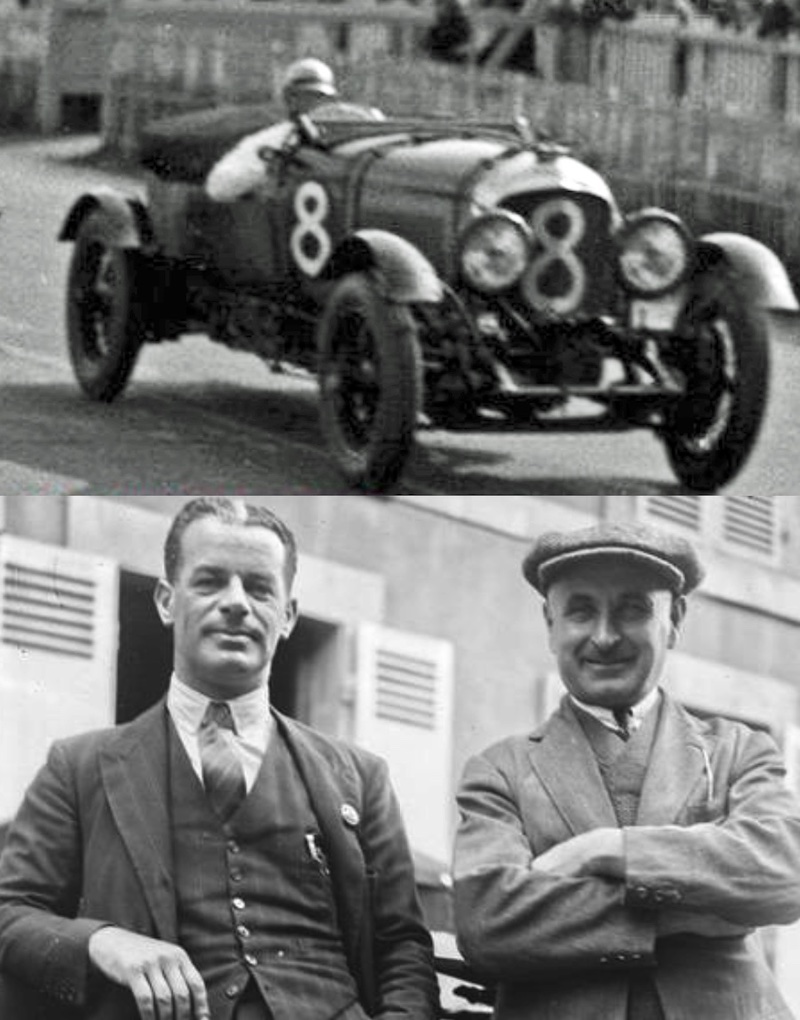
– The third 4½ Litre (No. 8) was shared between Frank Clement and Jean Chassagne.
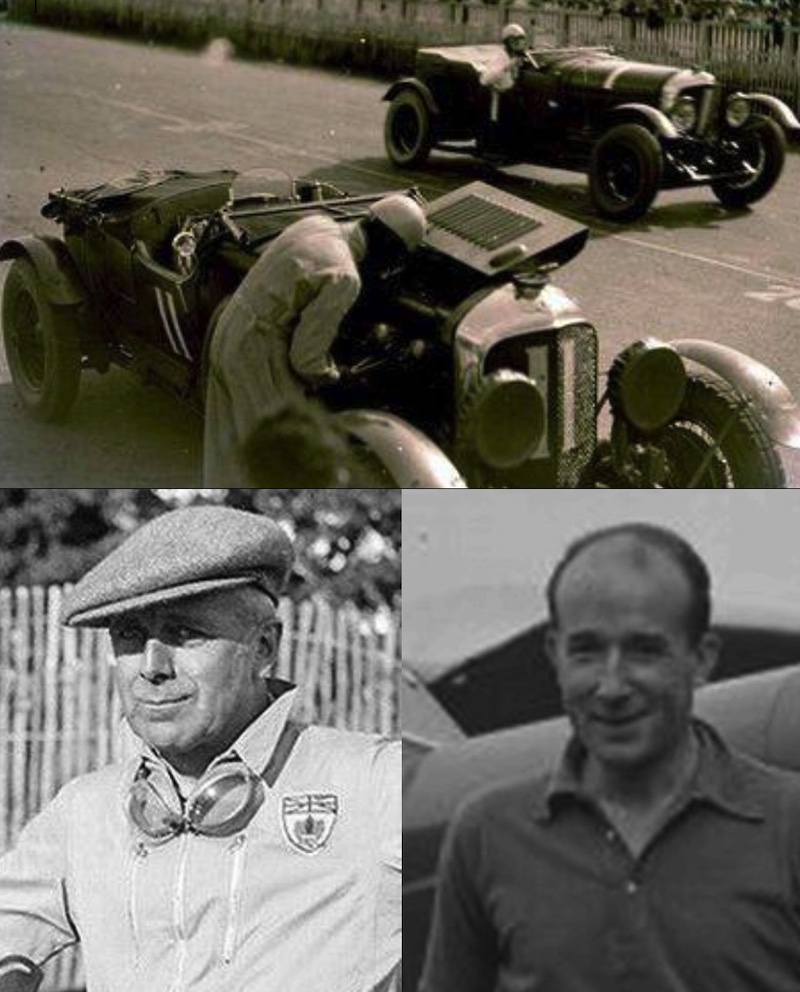
– The fourth and last 4½ Litre (No. 11) was entrusted to Bernard Rubin and Francis Curzon Earl of Howe. Unfortunately, they suffered ignition failure and they had to retire on the seventh lap of the race.
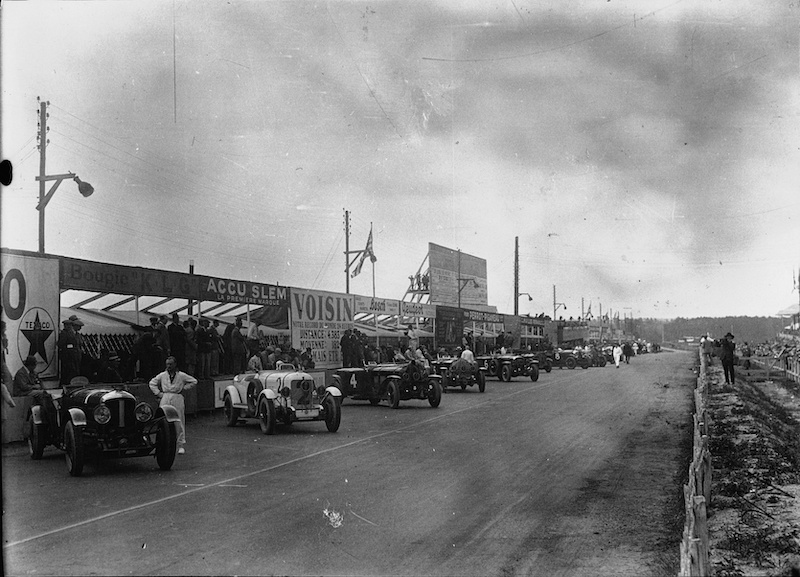
The four remaining Bentleys faced no opposition during the first hour of the race. The American Stutz and Chrysler cars, eagerly awaited after the 1928 edition, failed to shine.
W.O. quickly realised that the race would be easy if his cars did not break down. He therefore asked his crews to drive calmly, without damaging the mechanics. But his mind was elsewhere. He had spotted spies among the spectators: German engineers from Mercedes were there, as observers. Their sports model, the SSK with a 7.1 Litre supercharged engine, driven by the brilliant Rudolf Caracciola, was beginning to rack up victories in major European races. He quickly realised that it would be foolish to reveal the performance of his new Speed Six.
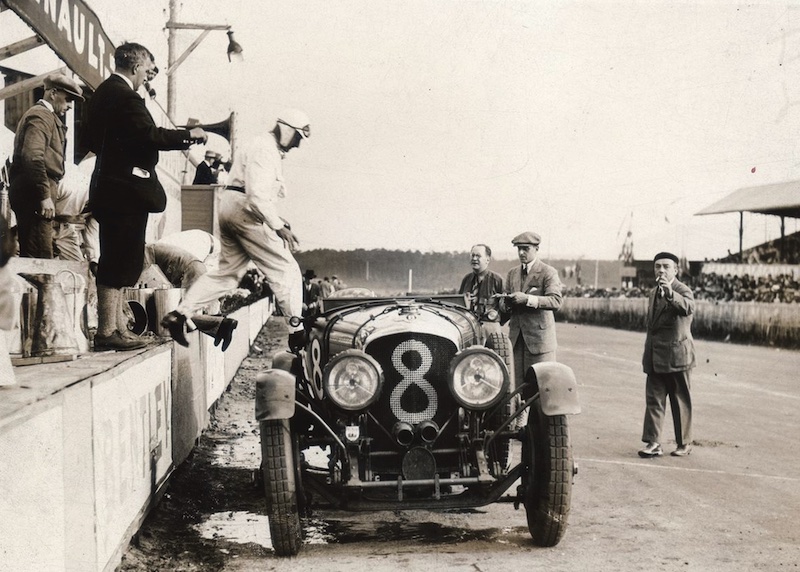
This gave him another reason to to urge his drivers to ease off. So much so that he ended up frustrating them. As Jack Dunfee hurtled down the straight and passed the Bentley pit, he became angry when he saw W.O. asking him, once again, to slow down. He stopped alongside him and said: ‘What? You don’t want me to get out and push it, do you?’. Legend has it that the angry driver even stopped during the race to have a drink at the racecourse tavern.
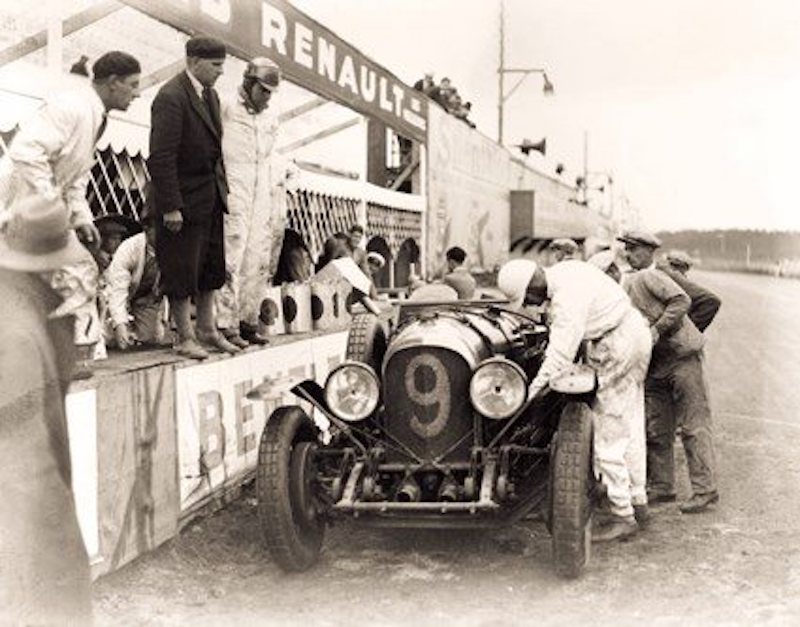
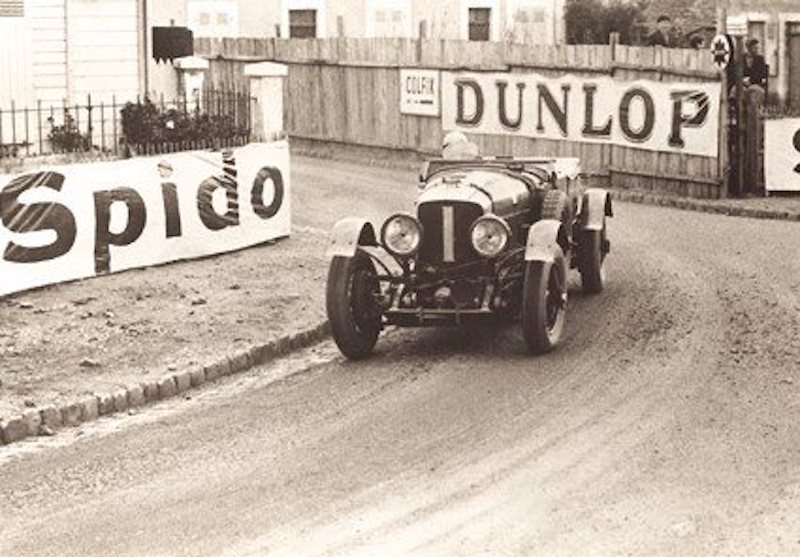
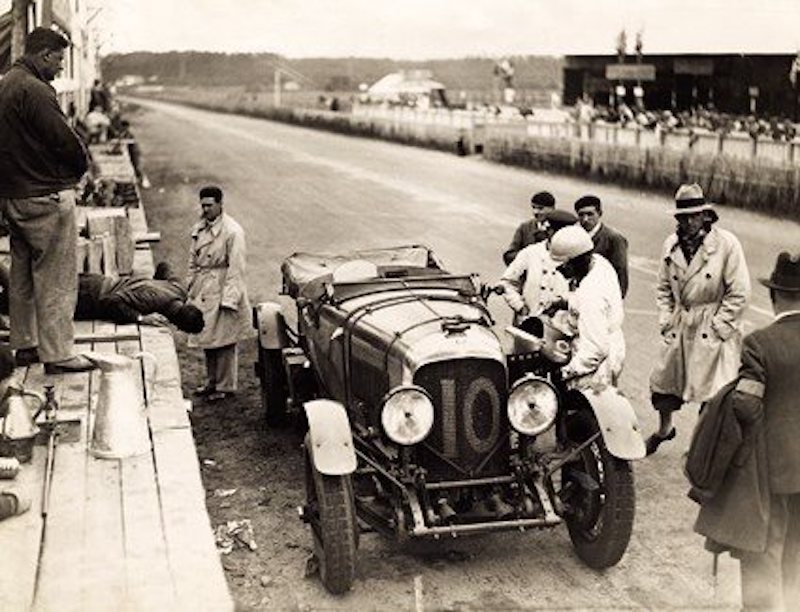
When ‘Old Number One’ crossed the chequered flag, victorious, the three other Bentleys followed, taking the top four places in the race. In 5th position, the first Stutz was 21 laps behind the Speed Six.
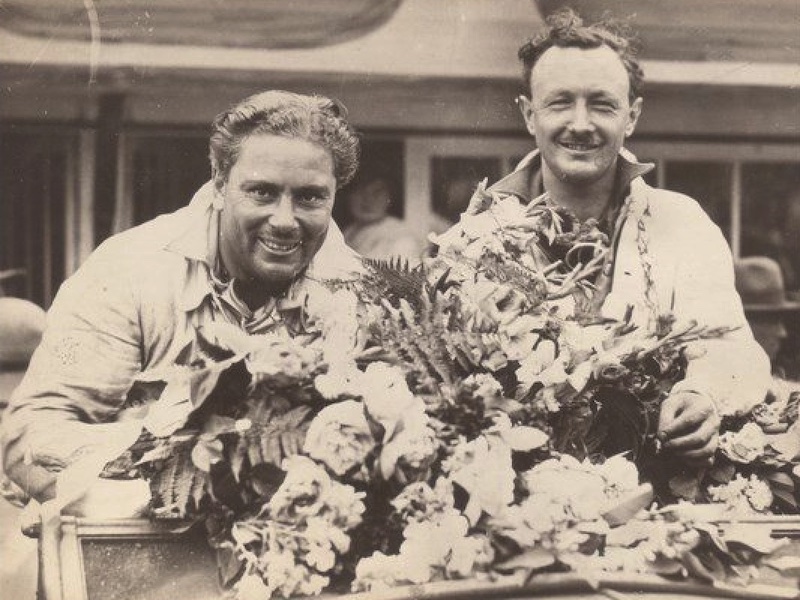
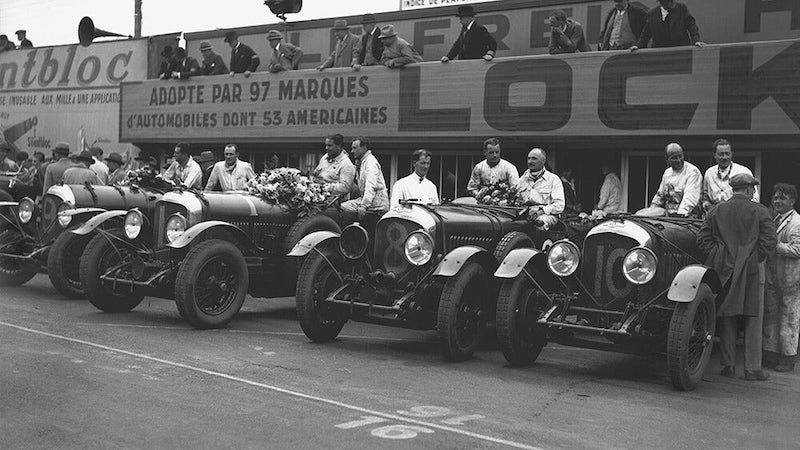
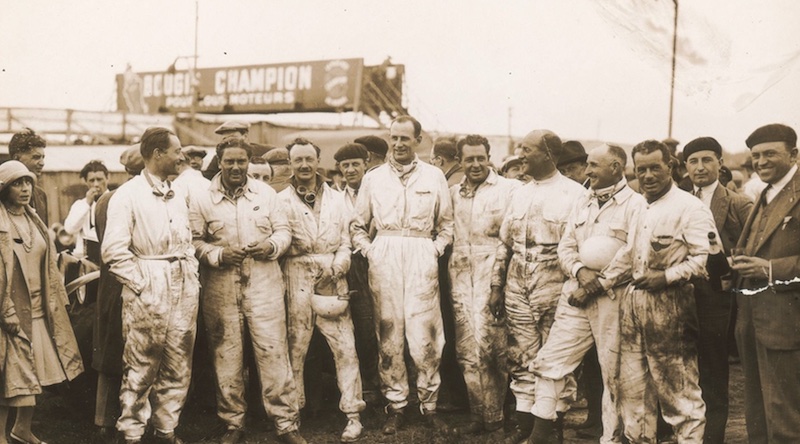
That same Speed Six once again demonstrated its formidable speed, setting the highest average speed of over 175.5 km/h (109 mph) in the 500-mile race at Brooklands at the end of 1929.
The last 3 Litre models were sold in the final months of 1929, and their new owners saw certain modifications already available for the 4½ model. This made them very sharp cars.
At the same time W.O was looking for a new chief designer, as Fred Burgess was terminally ill and unable to work. Harry Ralph Ricardo, an English engineer who was one of the foremost engine designers and researchers in the early years of the development of the internal combustion engine (he also designed the 1921 T.T. Vauxhall engine), received a letter from W.O. He was enquiring if Ricardo might be interested in entering into a consulting agreement with Bentley Motors, with the aim of jointly designing and developing an entirely new engine capable of producing a higher specific output in terms of horsepower per litre and pound of weight than had been possible in previous Bentley engines.
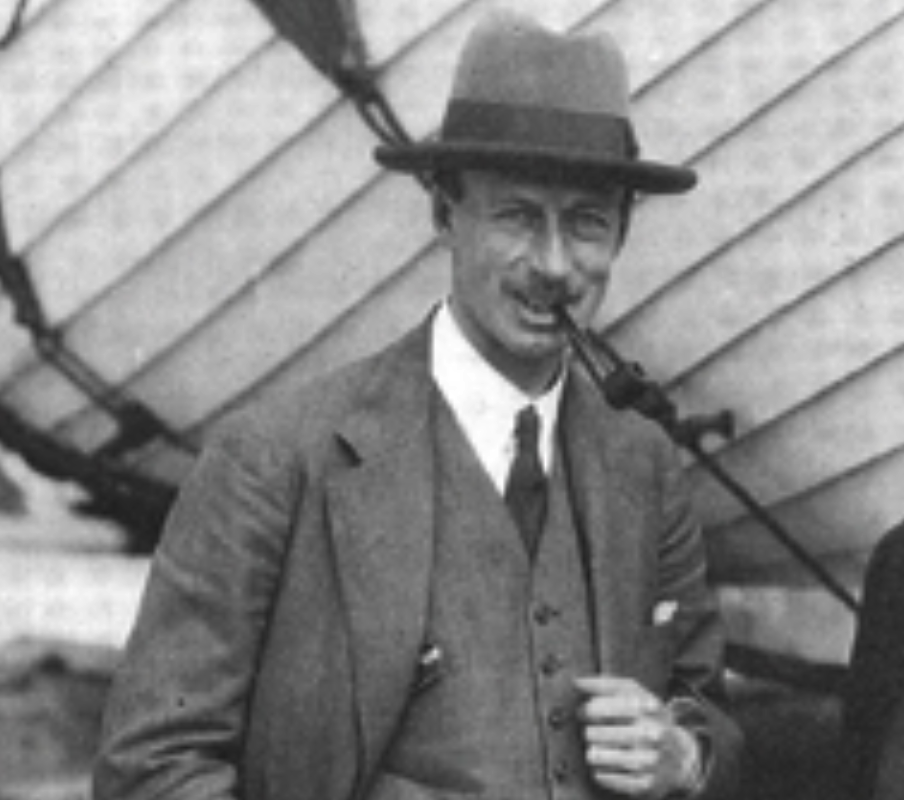
The two gentlemen had a meeting during which the name of Thomas Barwell Barrington was discussed as a potential replacement for Burgess. Barrington had worked for Rolls Royce as head of the Derby design office before joining Sheffield-Simplew (a British car and motorcycle manufacturer). Bentley Motors waited until after Burgess’s death, announcing Barrington’s appointment on the 7th of December, understandably out of respect to Burgess, who passed away on the 30th of November.
Around the same period of time and with the idea of winning the 1930 Le Mans 24 Hours, Tim Birkin suggested to W.O. that he approve a supercharger for the four-cylinder 4½ Litre.
W.O. categorically refused: he had already tried to supercharge a 3 Litre car in 1927 before quickly realising that this addition would ‘distort the original design and concept’. If more performance was desired, all that was needed was to increase the engine’s displacement. This is what he did with the famous Speed Six, the sports version of the 6½ Litre.
Despite this refusal, Birkin persisted with his idea, even if it meant going it alone. To help him develop a prototype, he hired Amherst Villiers, an expert in supercharging, and the famous engineer/driver Clive Gallop, who had been involved in the early days of Bentley.
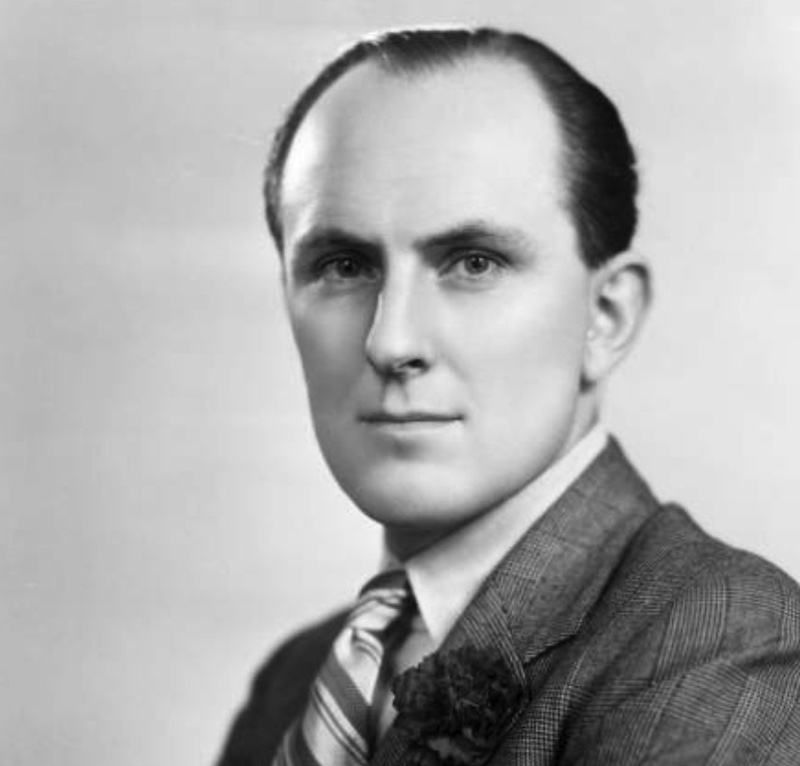
Not one to hold a grudge, W.O. agreed to supply a base car while Birkin set up a small company (Birkin & Couper Ltd.) in Welwyn Garden City, north of London. Having exhausted his own funds, Birkin knocked on the door of the wealthy Lady Dorothy Paget, who agreed to finance the entire ‘Blower’ project and its racing team.
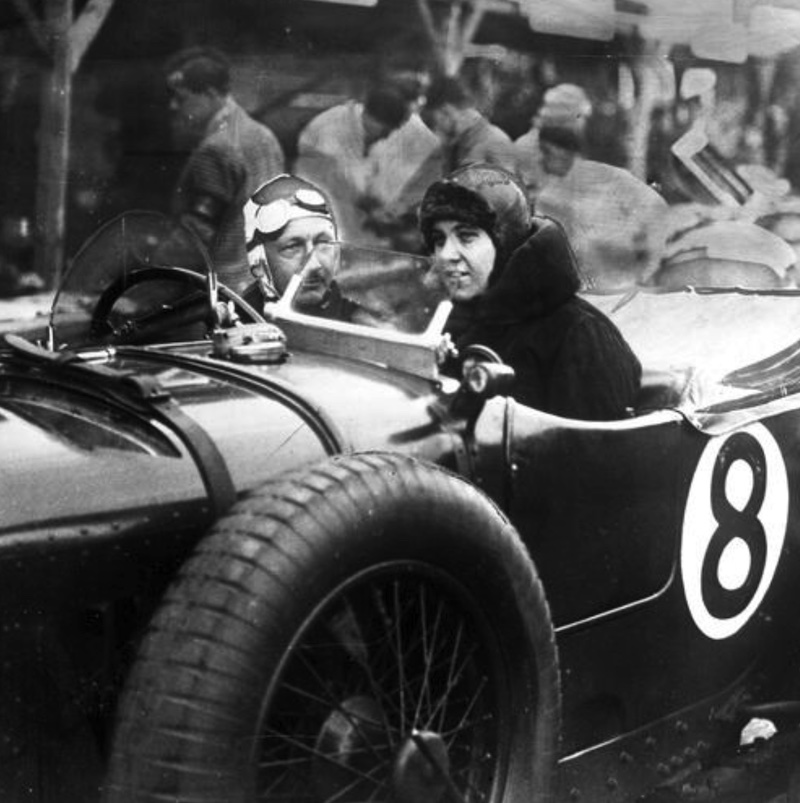
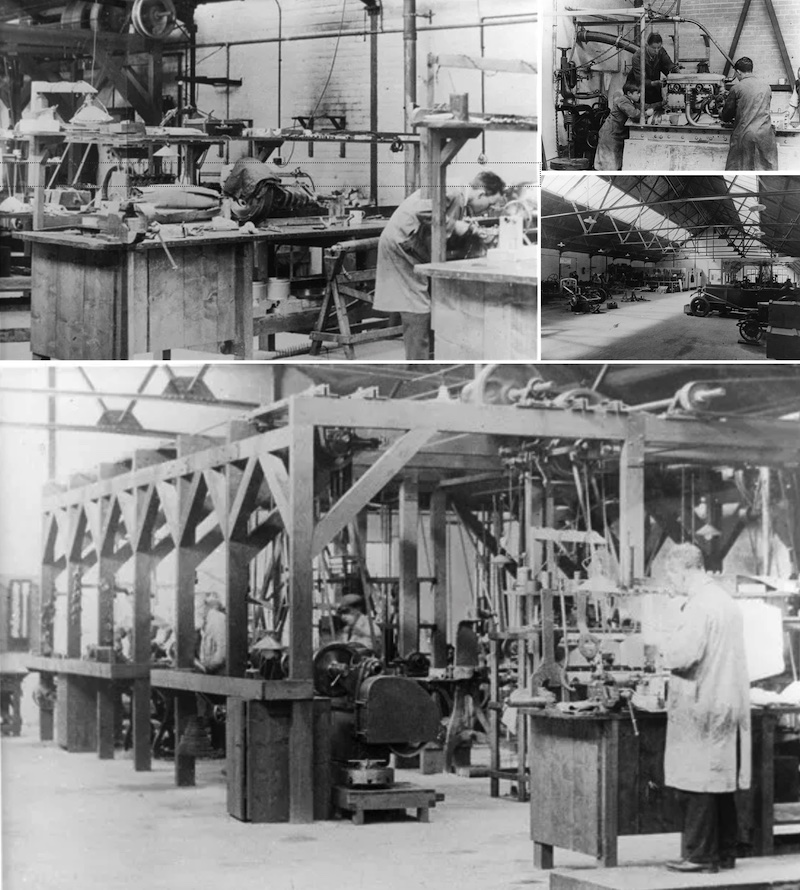
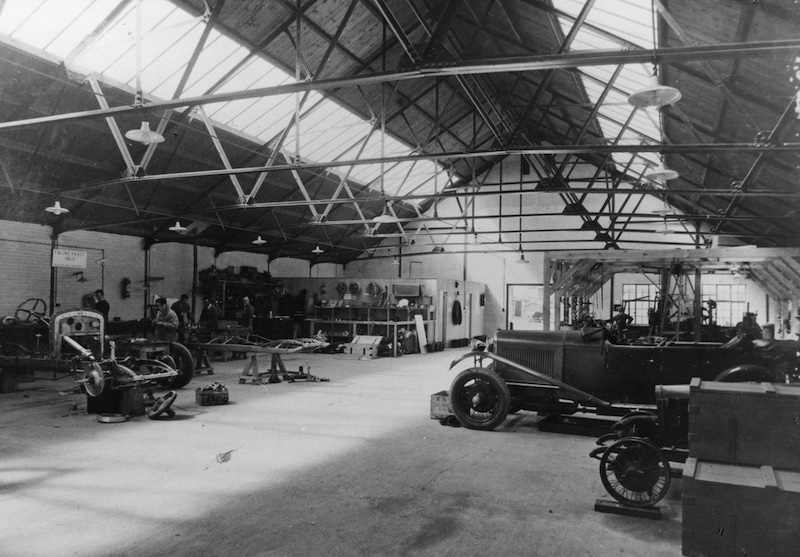
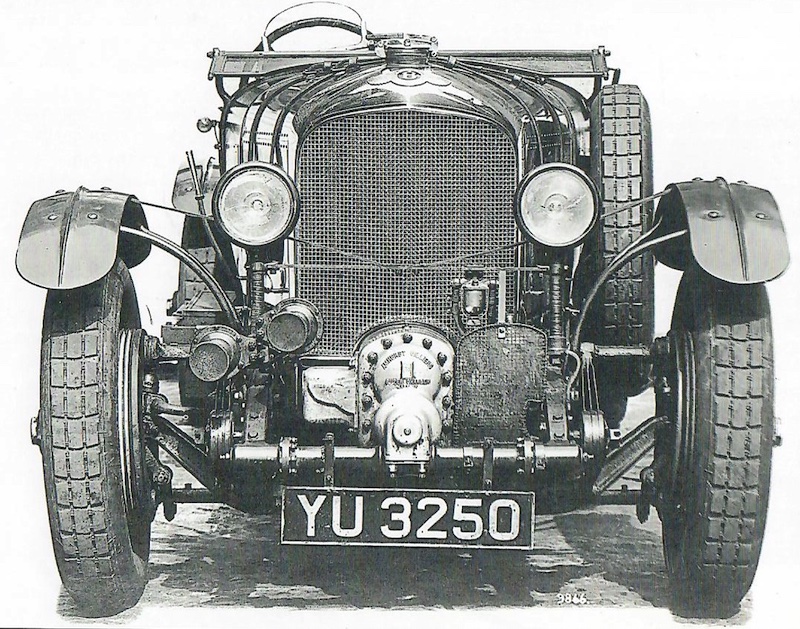
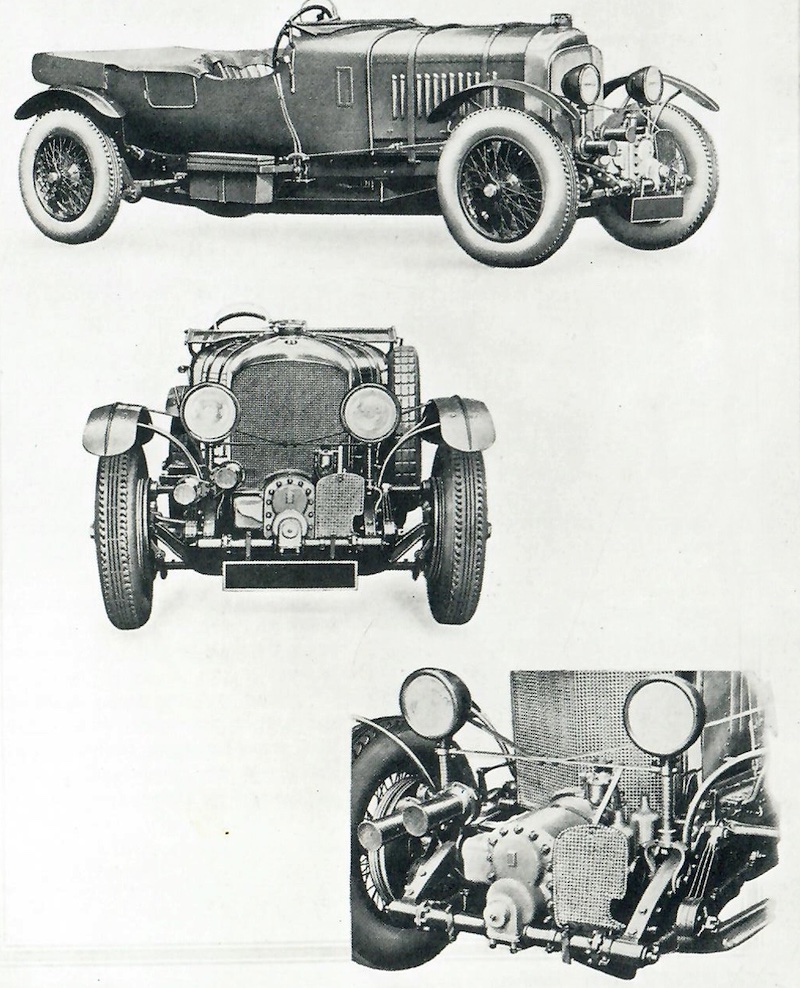
The key difference between the Bentley 4½ Litre and the Blower was the addition of an Amherst Villiers MK VI Roots-type twin-rotor supercharger. As W. O. refused to modify the engine to incorporate the supercharger, the drive of the supercharger is taken from the front of the crankshaft through fabric joints to one shaft of a twin-rotor Roots type Blower which is fitted in an aluminium casing between the front dumb irons below the radiator – which bas been redesigned for the purpose. This gave the Blower Bentley a distinctive appearance, but also increased the car’s understeer due to the extra weight at the front.
The supercharger is arranged so that the lubrication system of the engine feeds the gear wheels which drive one rotor shaft from the other and also supplies enough for the rotor blades themselves.
Two guard-protected carburettors are fitted on one side of the casing through which the supercharger obtains mixture and expels it on the other side under pressure to a pipe carried right up to the intake ports of the cylinder block. A series of springloaded safety valves are arranged in the inlet pipes in order to safeguard it and the supercharger should a blow back occur.
The engine developed 175 horsepower at 3,500 rpm for the touring model and 240 horsepower at 2,400 rpm for the racing version, which was more power than the Bentley 6½ Litre.
The number 1 Blower made its debut at Brooklands on 29 June 1929, but its unreliability prevented it from finishing the Essex 6-hour race. Ever persuasive, Birkin eventually convinced Bentley’s chairman, Woolf Barnato, to produce 50 ‘Blowers’ in order to make the model compliant with the entry rules for the 24 Hours of Le Mans.
1930
Since Bentley’s easy victory in 1929, the global economic situation had changed significantly. The Wall Street crash of 1929 swept across Europe like a tidal wave that no one could do anything about. Nevertheless, the financial centres of the old continent had a little more time than America to see the disaster coming.
Like any entrepreneur, Woolf Barnato had to think about how to to deal with the crisis. His advisers, who never really understood his passion for motor racing, were now adamant: he had to face facts, as soon no one would be able to afford a Bentley. But before thinking about finding a potential buyer, he had to focus on the 1930 24 Hours of Le Mans race.
One month before the 1930 race, there were only nineteen entrants and seventeen starters.
Three Speed Sixes, including Old Number One, were entered by the Bentley team.
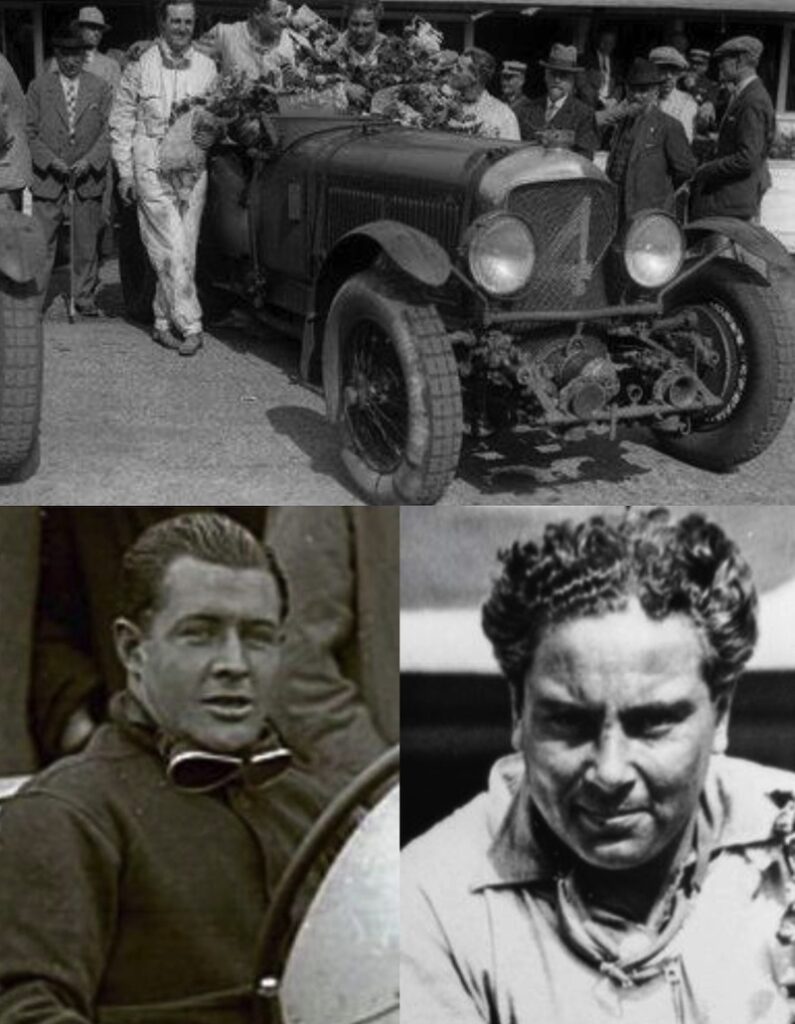
The first Speed Six (car No.4) was driven by Woolf Barnato and his teammate Glen Kidston.
The second Speed Six (car No.2) was paired with the veteran Frank Clement and a new entrant called Richard Watney. He was an amateur racing driver who finished twelfth overall in the RAC Tourist Trophy in 1928 and had raced at Le Mans in 1929 at the wheel of a Stutz. He would become later Managing director of Lagonda.
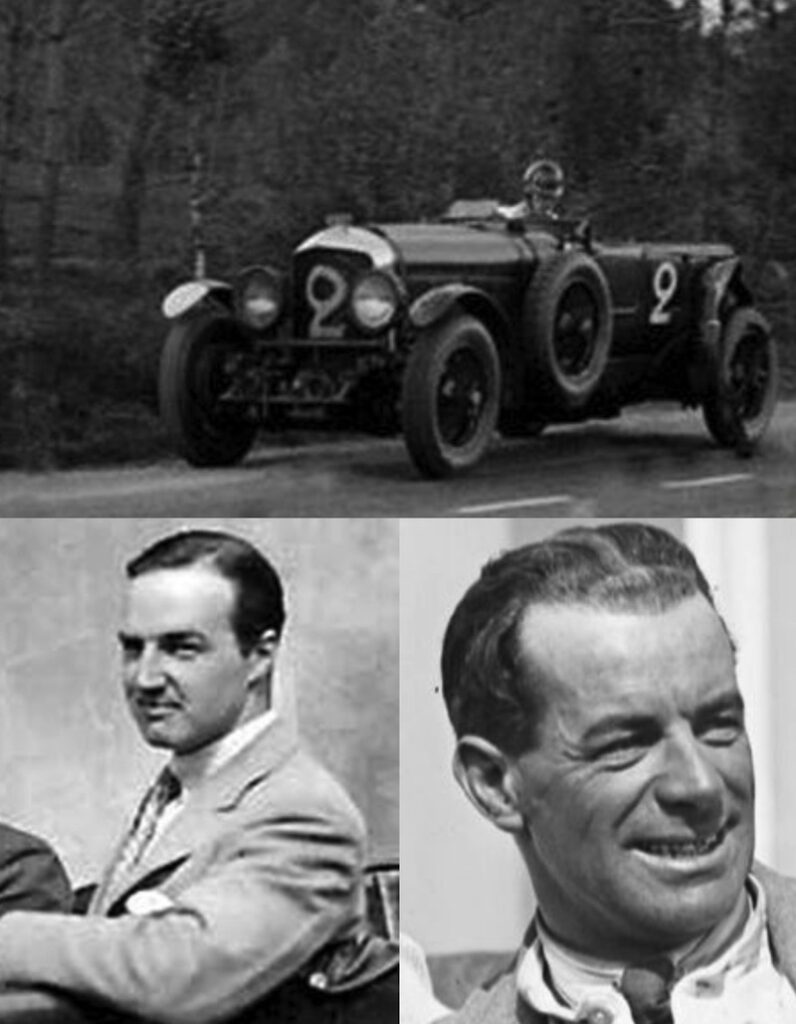
The third Speed Six (car No. 3) was driven by SidneyDavis en Clive Dunfee, a young driver who had just joined the Bentley team.
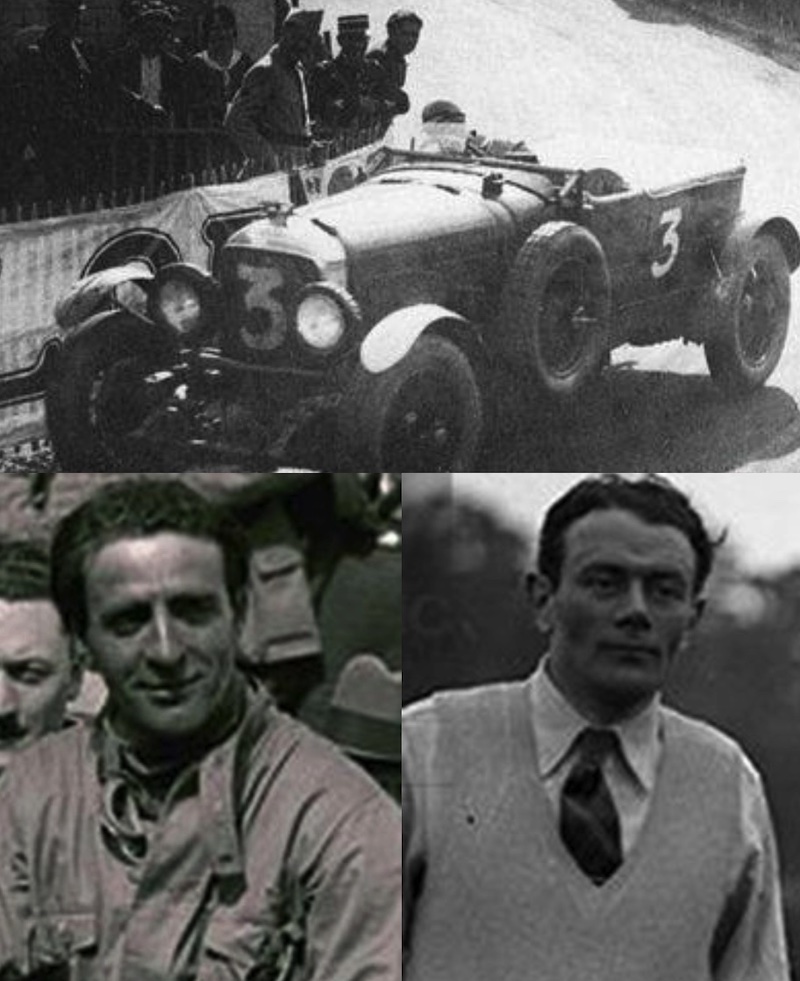
At the same time, two Blowers were entered by Miss Dorothy Paget’s team (car No. 9 with Tim Birkin and Jean Chassagne and car No.4 with Dudley Benjafield and Giulio Ramponi). Although W.O. always claimed that the two teams were competing against each other, witnesses reported that a meeting had taken place shortly before the race between the drivers and mechanics of the two teams to develop a joint strategy.
Unlike the 1929 edition, the 1930 edition saw the arrival on the starting grid of the much-feared Mercedes SSK and its star driver, Rudolf Caracciola. Talented and charismatic, he was racking up victories in all European races. His technical team had studied the performance of the Bentleys during the 1929 24 Hours of Le Mans.
The Mercedes SSK was an ultra-fast car that had no rival at the time.
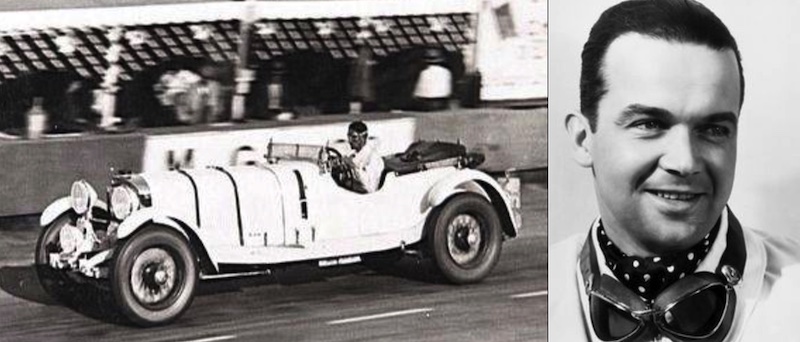
It was equipped with a supercharger that only worked when the driver pressed the accelerator pedal. When this happened, the supercharger kicked in with a growl that was clearly audible to spectators, boosting the power of the 7.1 Litre 6-cylinder engine from 200 to 300 horsepower! This was a lot compared to the 200 horsepower of the Speed Six and the 240 horsepower of the Blower versions. And that was the challenge.
The Achilles heel of the SSK, which was also its strength, is precisely this supercharger, which puts excessive strain on the engine, so much so that it cannot run at full throttle continuously without breaking down. The entire strategy of the Bentley teams will be based on this point. The Bentley Blower drivers will be asked to stay as close as possible to the Mercedes, forcing it to retire. The unknown factor in this equation was how long the Bentleys would be able to withstand this treatment before Rudolf Caracciola and his teammate Bernard Werner were forced to retire.
On 21 June 1930, the race began. Caracciola quickly pulled ahead and, naturally, Tim Birkin set off in pursuit. Birkin managed to catch up with the German at the end of the Mulsanne Straight. The SSK was driving in the middle of the track and Birkin had to drive on the grass to overtake him. Legend has it that Caracciola did not see Birkin coming and that surprise was evident in his eyes when he realised that the Englishman was overtaking him on the grass. This legend is somewhat undermined, as it is difficult to believe that the Mercedes driver did not look in his rear-view mirror even once during the entire Mulsanne straight.
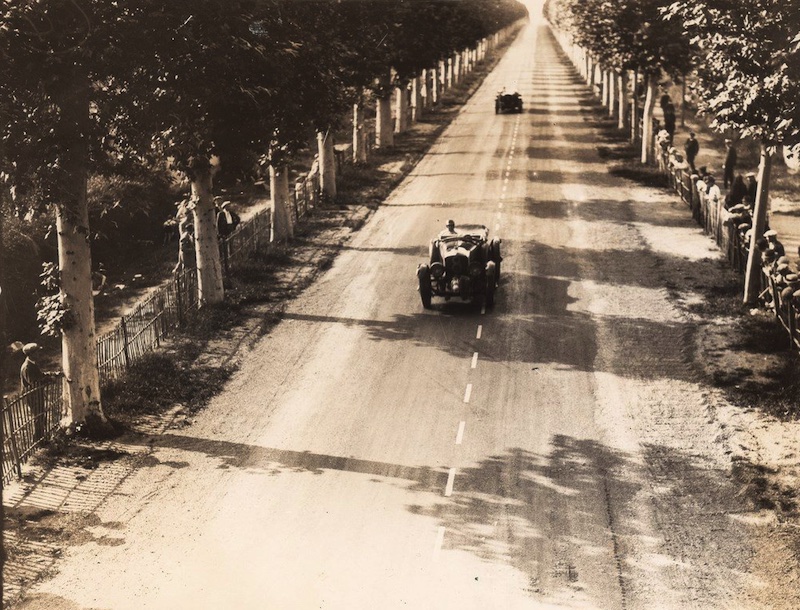
In any case, what is certain is that Birkin’s full-throttle run through the grass meant that he literally finished his lap on the inner tube, with a shredded tyre! He set off for another lap, during which he broke the speed record… which he himself had set on the previous lap. This time, the inner tube, which had been without a tyre for a lap and a half, finally gave up the ghost and Birkin returned to the pits with a comfortable lead. He changed the wheel and set off again. Aware of the opponent he was up against, Caracciola pushed the compressor much harder than expected.
For their part, the Bentleys kept up the pace. Clive Dunfee was somewhat a victim of his own enthusiasm at the start of the race. On the 21st lap, he went off the track and sanded the Speed Six No. 3 he shared with Sammy Davis. It was all over for them. The other drivers maintained a steady pace, hoping that Birkin’s attacks on Caracciola would bear fruit.
And what was bound to happen did happen: during the night, on lap 85, the powerful Mercedes returned to the pits, with worrying white smoke tinged with blue coming from its exhaust pipe. The verdict came down like a guillotine. The engine had given up the ghost. The cylinder head gasket couldn’t handle the load and the piston rings were probably no longer doing their job.
With the Mercedes out of the way, all the Bentleys were racing towards victory. Now the big question was: which would win, the Blower or the Speed Six? Unsurprisingly, the two supercharged Bentleys break down one after the other: on lap 138 for Birkin and Chassagne, followed six laps later by Benjafield and Ramponi. The way is clear for the two Speed Sixes, which race to victory. Woolf Barnato, who shared the wheel of Old Number One with his friend Glen Kidston, won easily, marking his third consecutive victory on the Sarthe circuit. In second place, far ahead of his pursuers, the No. 2 Bentley driven by Frank Clement and Richard Watney crossed the line after 173 laps, six laps behind the winning duo.
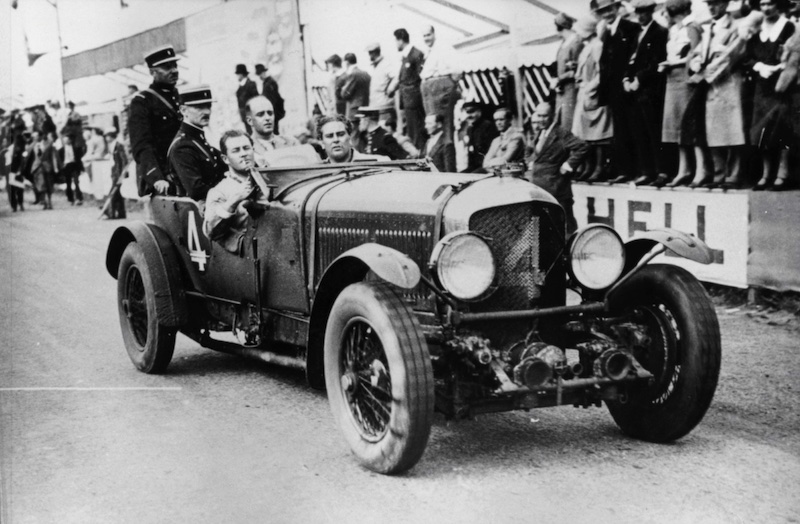
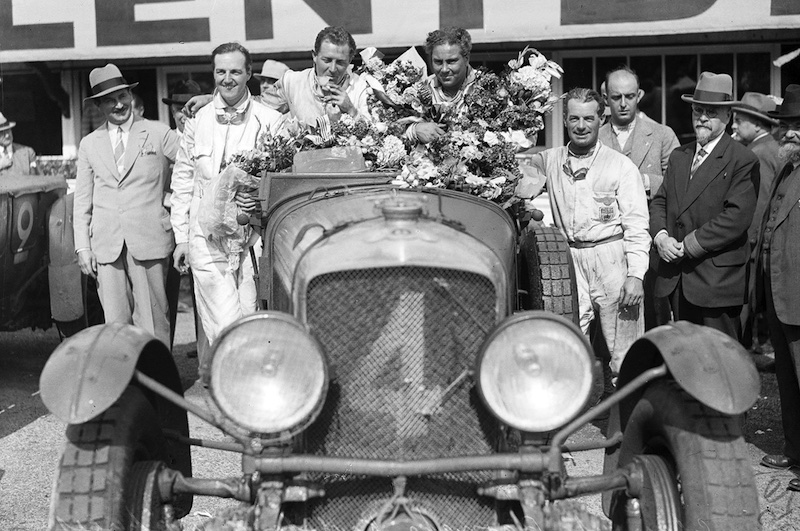
This year, due to budget constraints, the celebrations will be less grandiose.
Disappointed by this latest defeat, Tim Birkin and Dorothy Paget are not giving up, however. Aware that his Bentley Blower is fast but not very reliable over long distances, Birkin tries to enter it in Grand Prix races. These short races, lasting less than three hours, are, for the time being, the preserve of the Bugatti 35s, which were light, agile and fast. Birkin’s Bentley was certainly heavy, but it was extremely powerful. He entered the Pau Grand Prix in September 1930. On the starting grid, Birkin and his imposing Bentley stood out among the small single-seaters. But the driver’s talent and the power of his Blower worked miracles. He held his own and remained in the leading group. By skipping a pit stop, the famous French driver Philippe, known as ‘Fifi’ Etancelin, managed to snatch first place with his Bugatti 35C. Birkin finished second, some three minutes behind the winner. Photos from the time betray Birkin’s disappointment.
This marked the end of Bentley’s golden age.
Barnato and W.O., in a last stand, launched the production of their final project: the Bentley 8 Litre, powered by a 7,982 cm3 inline 6-cylinder engine, the largest ever developed by the manufacturer. An evolution of the Bentley 6½ Litre engine, it therefore featured the same cutting-edge technology, such as four valves per cylinder – at a time when most engines only had two – operated by a single camshaft. The cylinder block and cylinder head were made from a single block of cast iron to avoid any potential sealing problems sealing problems at the cylinder head gasket. Fuel was supplied by two twin SU carburettors, and ignition was provided by two spark plugs positioned horizontally on either side of the combustion chamber.
Unveiled in October 1930 at the London Olympia Motor Show, it was the most imposing and opulent model built by Bentley to date, designed to rival the equally luxurious Rolls-Royce Phantom II and Bugatti Royale Type 41.
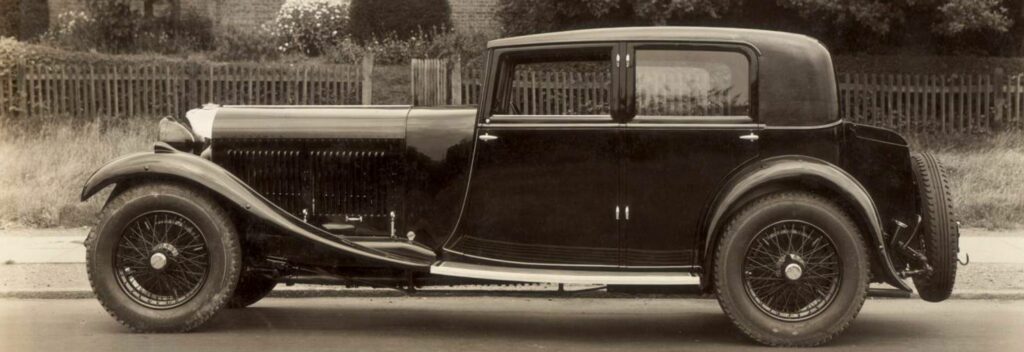
Like its predecessors, the chassis of the 8 Litre still consisted of rigid axles suspended on semi-elliptical leaf springs, as Bentley did not wish to adopt independent wheel suspension. It was sold at a price of £1,850, making the 8 Litre an exclusive vehicle for the . This voluptuous 2.5-tonne, 220-horsepower car, most often bodied as a limousine, perfectly combined speed and luxury. Its fuel consumption, however, was gargantuan! Too heavy to compete, some engines would later be fitted to Speed Six chassis.
Available in three versions with wheelbases of 3.50 m (only three produced), 3.65 m and 3.96 m, it represented the culmination of W.O.’s work, who said of it: ‘I always wanted to build a car capable of reaching 160 km/h in cathedral-like silence. I think I’ve succeeded.’
Unfortunately, the Bentley 8 Litre did not have much time to be a commercial success, and only 100 units left the Cricklewood factory.
Woolf Barnato purchased three Bentley 8 Litre for his own enjoyment, but also to ensure his employees’ salaries. The company’s economic situation was catastrophic: it was the swan song. Even the publicity generated by his victory in the improvised race against the Blue Train between Cannes and London did nothing to change the situation.
Barnato confirmed to his teams that he no longer wanted to invest his own money in the company. For some time now, the important decisions within Bentley were being taken by new Directors brought in by Barnato, and W.O. was becoming less and less pivotal in strategy. In other words, the new Directors and Barnato were the only ones making important decisions.
1931
Announced on 15 May 1931, Bentley made a final attempt to fit a small 4 Litre Ricardo IOE engine (its design was subcontracted to Harry Ricardo) into a shortened Bentley 8 Litre chassis. Sold at two-thirds the price of the 8 Litre, the Bentley 4 Litre model was intended to compete with the Rolls-Royce 20/25. It was a bitter failure. And only 49 chassis were delivered. Coachbuilders’ schedules delayed the completion of the final car until January 1933!
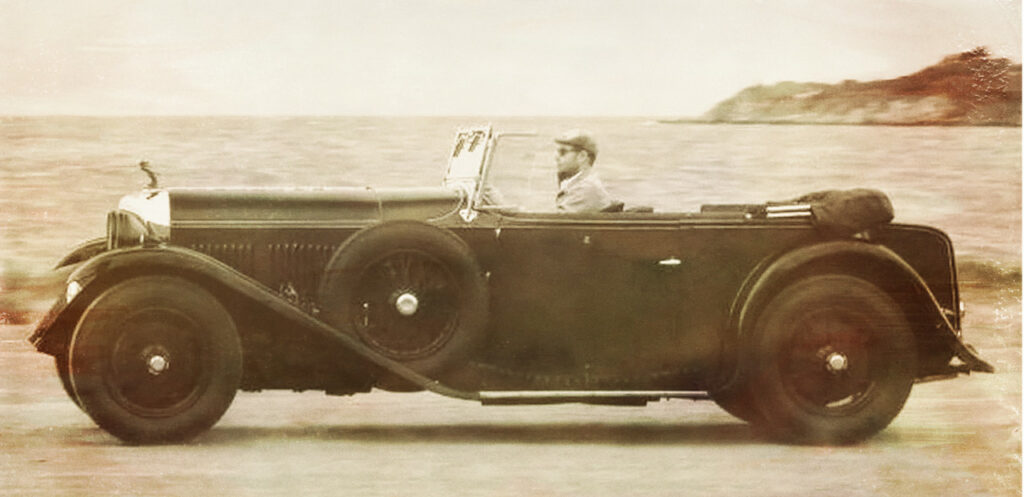
Barnato had to face facts: he had to sell. He began looking for a buyer.
In June 1931, an approach was made to Rolls-Royce suggesting a partnership, within which it would
manufacture components for Bentley, there would be shared sales and servicing policies, and W.O. would provide technical services. In return, Rolls-Royce would have considerable say in how Bentley operated. Barnato thought that by buying Bentley, Rolls-Royce would become the British leader in luxury cars and there was a good chance that it would eliminate this old competitor that had been overshadowing it for a long time. What’s more, Ernest Hives, the chief engineer at Rolls-Royce, was a notorious enemy of W.O., dating back to an old government contract from the First World War concerning the design of aircraft engines. Rolls-Royce decided to pass – at least at this stage.
Bentley went into receivership within weeks and its assets were put up for sale.
It was Napier who initially showed interest in taking over. The company had built high-performance cars (in WO’s words, “some of the finest cars in England”) between 1898 and 1924, making it in many ways a precursor to Bentley. It had concentrated on aircraft engines since but was looking to restart vehicle construction due to a downturn in the aviation industry. Acquiring Bentley, with its established reputation and dealer network, seemed a good way forward.
The negotiations seemed to be going very well until a negotiator representing an obscure investment fund called “BCET” (British Central Equitable Trust) appeared in November 1931. The man made several offers. Napier tried to hold out but was quickly unable to match them. Barnato was forced to sell to BCET. On the day of the signing, W.O. was badly surprised to discover that Rolls-Royce was behind BCET: the trap had just snapped shut, and that was the end of it for W.O.
In his autobiography, W.O. later described this period as “distasteful and distressing to think about”, as he had been looking forward to working for Napier and seeing Bentley revived. It has been speculated
that Woolf Barnato may have been responsible for passing on information about the Napier bid to Rolls-Royce (WO somewhat sarcastically noted in his autobiography the “extraordinary coincidence” that a “fraction more than that offered by Napier” had been submitted). It’s also believed that Barnato concurrently but secretly bought a significant number of shares in Rolls-Royce (read the “Epilogue” chapter). Surprisingly, Rolls-Royce made him a Bentley director in 1934.
Only Bentley Kingsbury’s after-sales service was maintained and continued to provide servicing and maintenance for Bentleys produced in Cricklewood until the Second World War.
There has been much speculation about Rolls-Royce’s reasons for buying Bentley Motors, but there is no doubt that one of the main motivations was to eliminate its most serious competitor in the luxury car market. The 8 Litre, which was a direct competitor to the Phantom II Continental, had clearly demonstrated its overall superiority in terms of performance and, in the context of the economic crisis at the time, Rolls-Royce could not afford to have such a major competitor in such a limited market. Rolls-Royce then stopped production of the model and disposed of all spare parts, as if to try and erase it from history.
The following year, a single 4½ Litre entered by a private team took part in the 24 Hours of Le Mans but failed to finish the race. This scenario was repeated in the following two years with one of the cars from the ‘Blower’ team, which now belonged to a Frenchman. At Brooklands, private drivers continued to compete with highly sophisticated Bentleys, with varying degrees of success. The most significant results were the victory of the ‘Old Number 1’ in the 1931 500-mile race and Sir Henry Birkin’s lap record of nearly 138 mph (222 km/h) in 1932 at the wheel of his red “monoposto” single-seater equipped with the famous ‘Blower’ engine “.
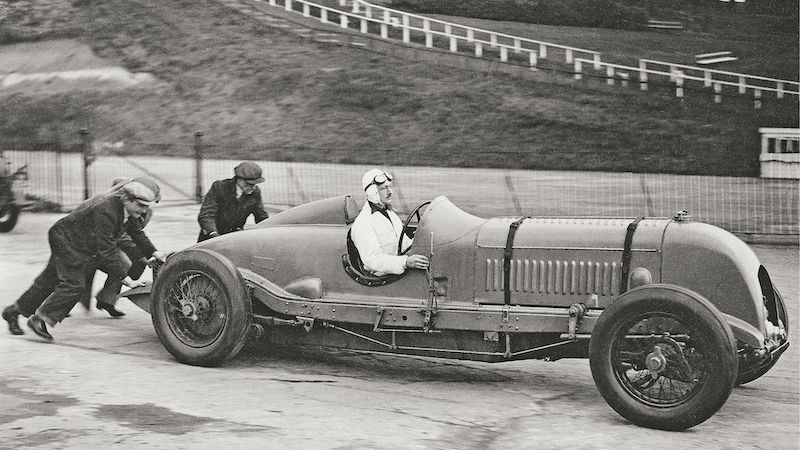
First racing in 1934 as a 6½ Litre Bentley, the Barnato-Hassan Special was revealed anew in August 1935 with a six cylinder, 8 Litre Bentley Engine. The Bentley Barnato-Hassan was built as a special project combining the knowledge and enthusiasm of Woolf Barnato and Wally Hassan. The project was to produce a single seater racing car to compete on the Outer Circuit at Brooklands.
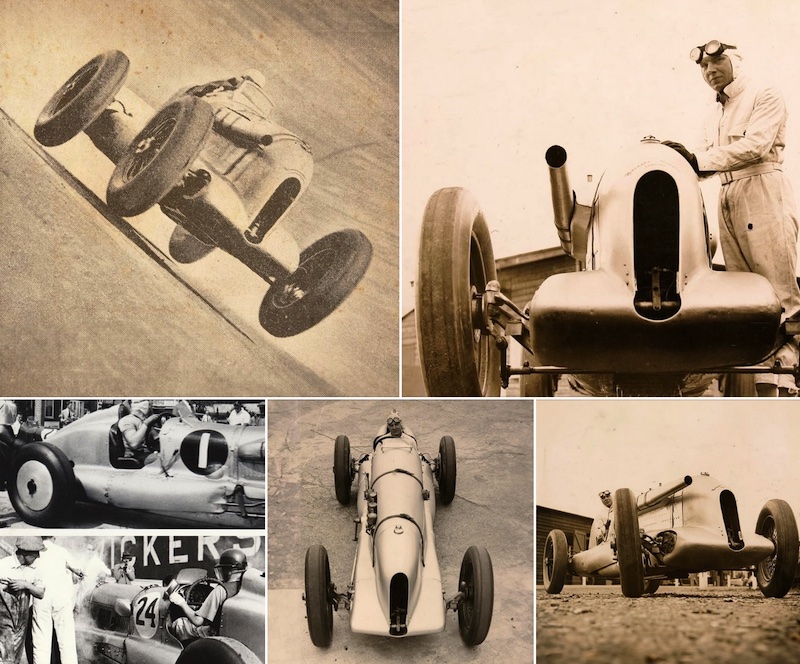
On August 5th 1938 the Outer Circuit lap speed record was broken by Oliver Bertram in the Barnato-Hassan, with an average speed of 142.60 mph (230 km/h).
With only 4 owners since the WW2, after a brief period converted to a 2 seat road car, the racer was subsequently returned to single seater format for Keith Schellenberg who competed with the car for 54 years. The Barnato-Hassan Special is still regularly seen competing on track. William Medcalf continues to ensure that this incredible automobile and unique historical treasure is preserved in its original, pristine condition.
Epilogue
According to Bentley Motors’ official records, 3,051 Bentley Vintage chassis were produced between 1919 and 1936. And there are half of those still around today.
– 1,636 Bentley 3 Litre models were produced between 1921 and 1929.
– 545 Bentley 6½ Litre models (including 182 Speed Six models) were produced between 1926 and 1931.
– 720 Bentley 4½ Litre models were produced between 1927 and 1931, including 50 ‘Blower’ models.
– 100 Bentley 8 Litre models were produced between 1930 and 1931.
– 50 Bentley 4 Litre models were produced between 1931 and 1936.
Most of the people who made Bentley famous in the 1920s went on pursure their careers with varying degrees of success and difficulty. Some met with tragic fates.
– W.O. experienced a descent into hell during 1931 and 1932. Ruined and forced to divorce, he was also ordered to give up his own beloved Bentley 8 Litre, which was sold on by Jack Barclay after he’d had to personally drive it to the showroom and then walk home.
W.O. was finally hired by Rolls-Royce in 1932. This “contract” allowed his employers to keep an eye on him, while prohibiting him from holding any position of responsibility. All W.O. had to do was attend morning sales conferences, answer specialist questions, and make sure that demonstration cars were available and in good order. It was a role well beneath him. Unsurprisingly, he left Rolls-Royce after the end of his contract in 1935.
W.O. then joined Lagonda as technical director and immediately brought his personal touch to the new engines. The Lagonda LG6 succeeded the Lagonda LG35. It was equipped with independent front suspension with torsion bars and hydraulic brakes. W.O. then brought all his technical expertise to bear in the production of the V12 model, which developed 180 hp with a displacement of 4480 cm3. The Lagonda Rapide model followed, equipped with a V12 engine developing 200 horsepower. In 1947, the company was bought by Aston Martin. That same year, W.O. became “Patron” of the Bentley Drivers Club (BDC), a role he held for 24 years.
W.O. remained an engineer at Aston Martin-Lagonda for a time, working on the production of a 2.6-litre engine that was released in 1948. W.O. then joined Armstrong Siddeley in 1959, a British engineering group best known for producing luxury cars and aircraft engines. W.O. was responsible for designing a 3 Litre twin overhead camshaft engine. The engine was intended for the new Sapphire. However, it was ultimately deemed too expensive and was never produced. This was his last creation before taking a well-deserved retirement. In a cynical twist of fate, Armstrong Siddeley ceased car production in August 1960 and the company was absorbed by the Rolls-Royce conglomerate, which was interested in aviation and aircraft engines!
W.O. published his memoirs in 1963 and died at the age of 82 on 2 August 1971. Unfortunately, W.O. never had any children, despite being married three times.
– Woolf Barnato, who was rather forward-thinking, had bought shares in Rolls-Royce shortly before the takeover of Bentley, which enabled him to emerge from the crisis as a winner. In 1933, he divorced his first wife and married his second. By 1934, he was back on the board of directors of the Bentley subsidiary. Ardenrun Hall, his sumptuous Surrey residence, was destroyed by fire that same year. He had a manor house built in 1938, also in Surrey, where he continued to live as a rentier. From 1940 to 1945, Barnato was a wing commander with the Royal Air Force, responsible for the protection of aircraft factories against Luftwaffe bombing raids. He continued various low-key business opportunities out of his office on Park Lane. In 1948, at the age of 52, he died suddenly of a thrombosis following surgery. Old Number One, the Speed Six with which he had won Le Mans in 1929 and 1930, led his funeral procession. At the time of his death, his fortune was estimated at between £1.5 and £5 million. Shortly before his death, he had taken care to buy an entire island in Bermuda, Perot’s Island, in order to provide for his third wife, whom he had married a year earlier.
– Henry ‘Tim’ Birkin continued to believe in his Blower Bentley for a little while longer, until Dorothy Paget had had enough of losing more money than she was earning. Almost ruined, he nevertheless continued to drive. He raced a private Alfa Romeo 8C-2300s (shared with Earl Howe), winning Le Mans for the Italian marque. Tragically, early in 1933 ‘Tiger Tim’ burned his arm on the exhaust pipe of the Maserati 3 Litre at Tripoli in Libya – while trying to pick up his lighter that had fallen on the ground during a pit stop. Already ailing with recurrent malaria, first contracted during World War 1 , this Birkin was quickly overwhelmed by septicaemia. Despite tremendous efforts to save him by his friend and loyal supporter Dr Dudley Benjafield Sir Henry died in a London hospital three weeks after the Libyan incident, on June 22, 1933, aged just 36.
– Dudley ‘Benjy’ Benjafield, after founding the British Racing Driver Club (BRDC) in 1928, continued to race for his own pleasure until 1936. He then devoted himself to his work and died in 1957, aged 69.
– John Duff left for America in 1925, where he pursued a career in cinema, not as an actor but as a stuntman. He had a serious accident before returning to Great Britain. He died there in a horse riding accident in 1968 at the age of 62.
– Frank Clement, who competed in every edition of the 24 Hours of Le Mans from 1923 to 1930 and co-founded the prestigious British Racing Drivers’ Club with Benjafield, disappeared from the limelight until his death in a road accident in 1960.
– Clive Dunfee lost his life at the age of 28 in a spectacular accident during a race at Brooklands in 1932. Jack Dunfee, who was sharing the wheel with his brother that day, never raced again. He then embarked on a career as a theatre impresario before dying peacefully in 1975 at the age of 74.
Jean Chassagne retired from racing at the end of 1930 after a long career racing with some of the finest teams. In 1931 he took a position as representative of Castrol oils for the Aircraft Industry. He also ran the Bentley Motors Sales & Servicing Department near Paris. He died at the age of 65 on 13 April 1947.
Bernard Rubin continued to compete in motor racing alongside Birkin until 1933. He then went on to break two distance records in aeroplanes. He died of tuberculosis in 1936, aged 39.
George Duller continued to race at Brooklands until 1936, before returning to horse racing. He died in 1952 at the age of 52.
Clive Gallop died in a road accident in 1960, aged 68.
Sammy Davis remained in the automotive world, becoming involved with the Royal Automobile Club (RAC) and the BRDC. He co-founded the Vintage Car Club of Great Britain in 1930. He then became president of the Aston Martin Owner Club (AMOC) in 1935. He was responsible for creating the Aston Martin logo in 1932. He died in 1981 at the age of 94.
Glen Kidston died in 1931, aged 32, over South Africa, at the controls of his plane, shortly after breaking the speed record between London and Cape Town.