
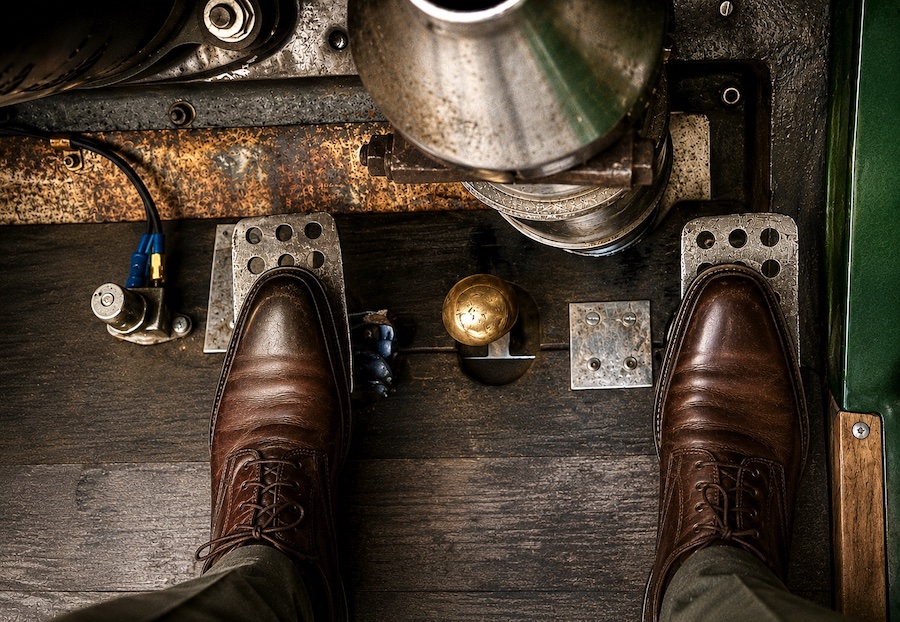
All sorts of myths exist when it comes to the challenges of driving a Vintage Bentley like the 4½ Litre model.
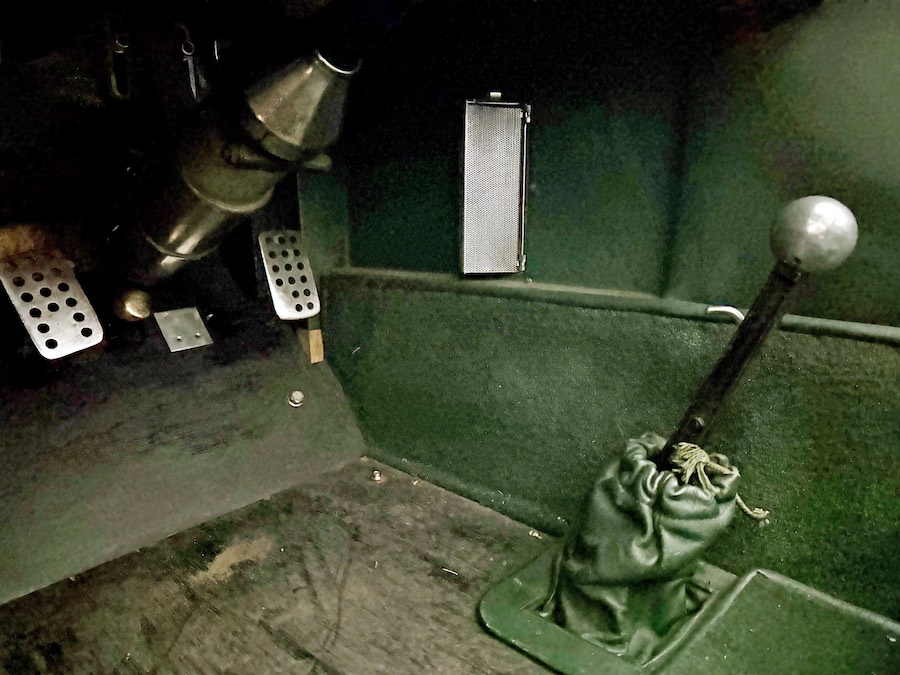
Yes it has a four-speed non-synchromesh gearbox that requires to apply double clutching (or double declutching, as the Brits call it) technique, yes it has a centre throttle pedal (that looks like a small brass mushroom), yes, the gear selector is positioned almost right next to your right leg and placed quite low to the floor (which does not make it particularly easy to use), and yes there are some adjustments to be made to the car in respect of ignition and carburation which impact on the car’s performance behind the wheel (read this article https://www.myvintagebentley.com/firing-up-a-vintage-bentley)
But in the end… it doesn’t take long to get used to driving a vintage Bentley!
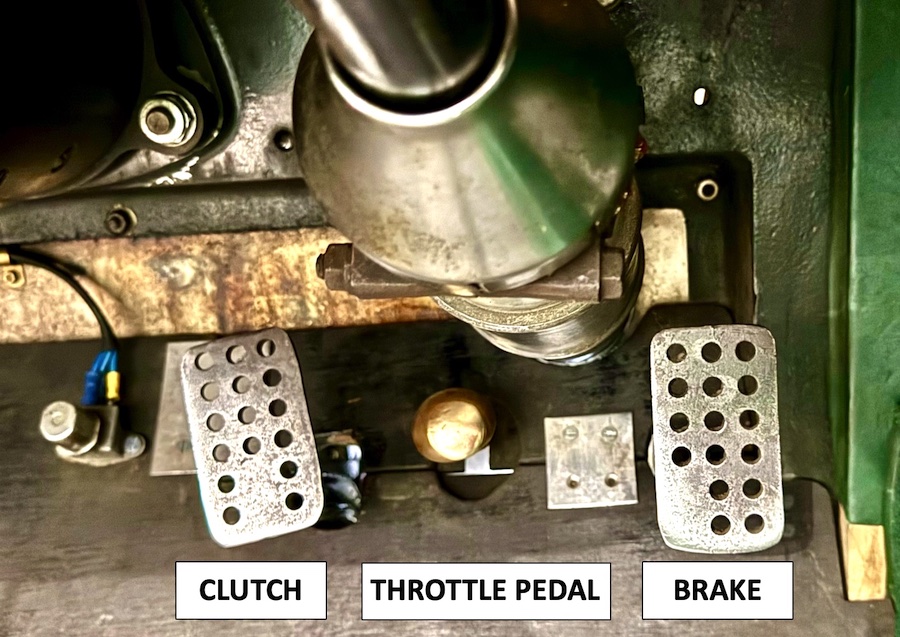
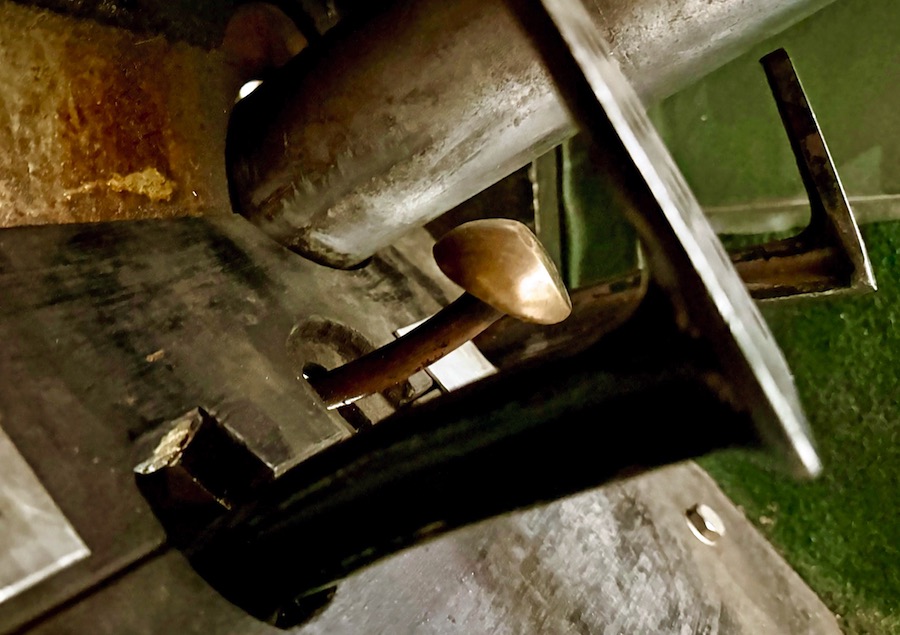
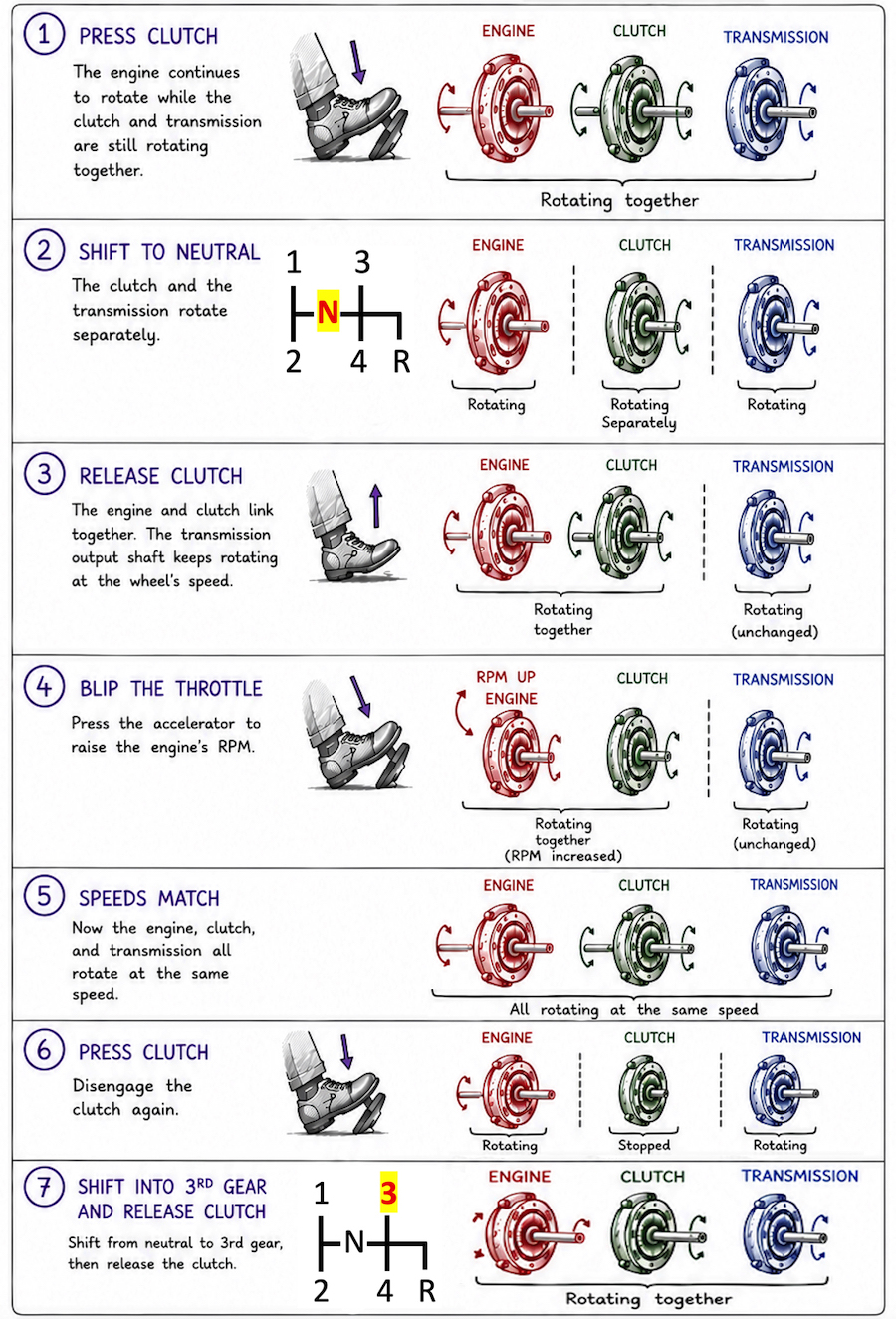
Double (de)clutching is a technique that shall be used when either upshifting or downshifting gears with a 4½ Litre Bentley.
Before the introduction of transmission synchronizers double (de)clutching was a technique required to prevent damage to a vehicle’s gearing during shifts. With this method, instead of disengaging the clutch (pressing the clutch pedal) once and shifting directly to another gear, the driver first engages the transmission in neutral then blips the throttle pedal, before upshifting or downshifting to the next gear. The clutch is depressed and released with each change. Hence the term “double (de)clutching”: the clutch pedal is used twice during one shift.
THE TECHNIQUE IN DETAILS
Double (de)clutching is a driving technique solely used in manual transmission vehicles.
To understand how it works, the most important thing to know is that there are three systems involved: the engine output shaft, the clutch, and the transmission output shaft. Your engine produces power, the clutch transmits that power to the transmission output shaft, and this output shaft sends the power to driven wheels. Each one of these systems can all rotate independently.
The purpose of a clutch is to act as a buffer between the engine and transmission, so when the speeds are mismatched, the clutch is utilized to sync the two systems together. The rotation speed of the transmission output shaft is dependent on what gear the transmission is in. In lower gears, the engine will spin fast relative to the transmission output shaft. In high gears, the transmission output shaft will spin quickly relative to the engine.
Let’s say, you are currently in 4th gear, slowing down, and you need to downshift to third gear. As a result, you will shift the engine to a higher RPM about the vehicle speed.
When the clutch is pressed to downshift, the engine starts to rotate while the clutch and transmission are still rotating together. The clutch and the transmission rotate separately when the gear shift is moved to neutral. If you are double (de)clutching, you should release the clutch at this time, allowing the engine and the clutch to link together while the transmission output shaft keeps rotating at the wheel’s speed.
Now, blip the throttle pedal to raise the engine’s RPM to have all the components (engine, clutch and transmission) rotate at the same speed. Gently depress the clutch, shift the gear from neutral to third and then release the clutch.
And that’s how you smoothly downshift without any jerks!
DRIVING TUITION
During the process of purchasing our car from Vintage Bentley, there was one particularly interesting and uncommon benefit that the founder William Medcalf provided free of charge: the opportunity to spend half a day with a driving instructor in a form of accompanied driving, followed by another half day with a dedicated mechanic who thoroughly explains the key aspects of maintenance and common troubleshooting procedures.
Whatever your previous experience with pre-war vehicles may be, this day is exceptionally valuable and informative, especially since everything takes place with your own car. Personally, it provided me with the best possible introduction to both driving and understanding the technical aspects of our Bentley 4½ Litre.
For this accompanied driving session, my first pleasant surprise was meeting my coach for the day, David Ratcliffe (known as “Rats”). A former Virgin Atlantic Airbus captain and the owner of a family Bentley 3 Litre that has been passed down through several generations, “Rats” and I immediately found common ground before even getting into the car: as fellow airline pilots, we had no trouble breaking the ice.
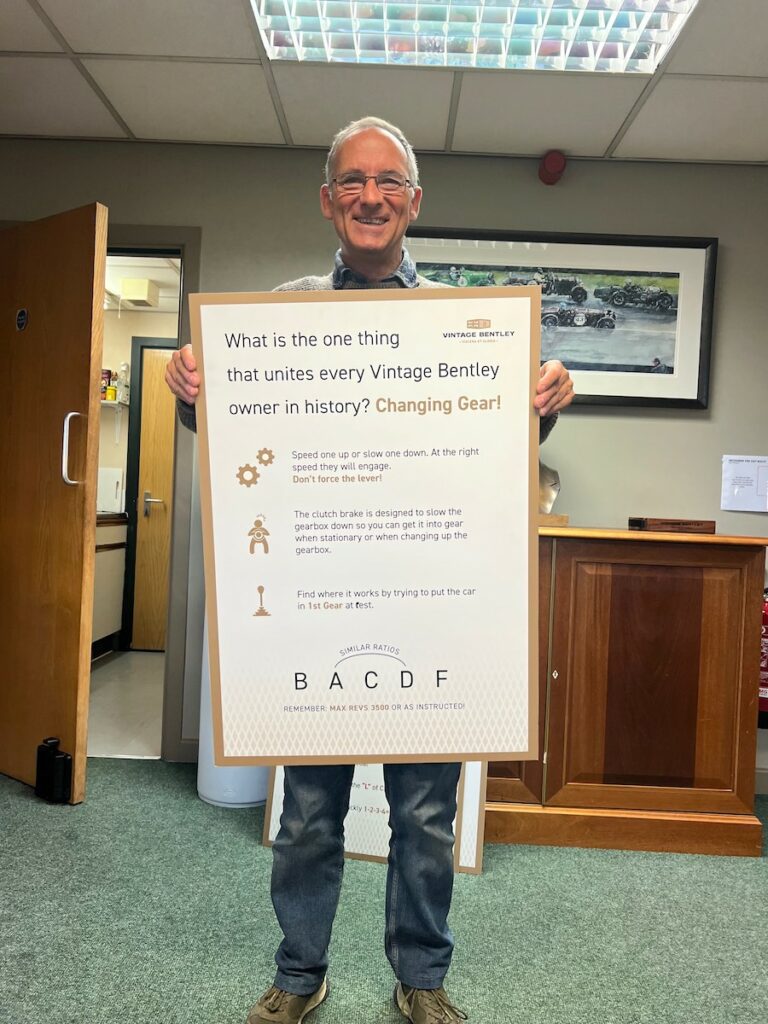
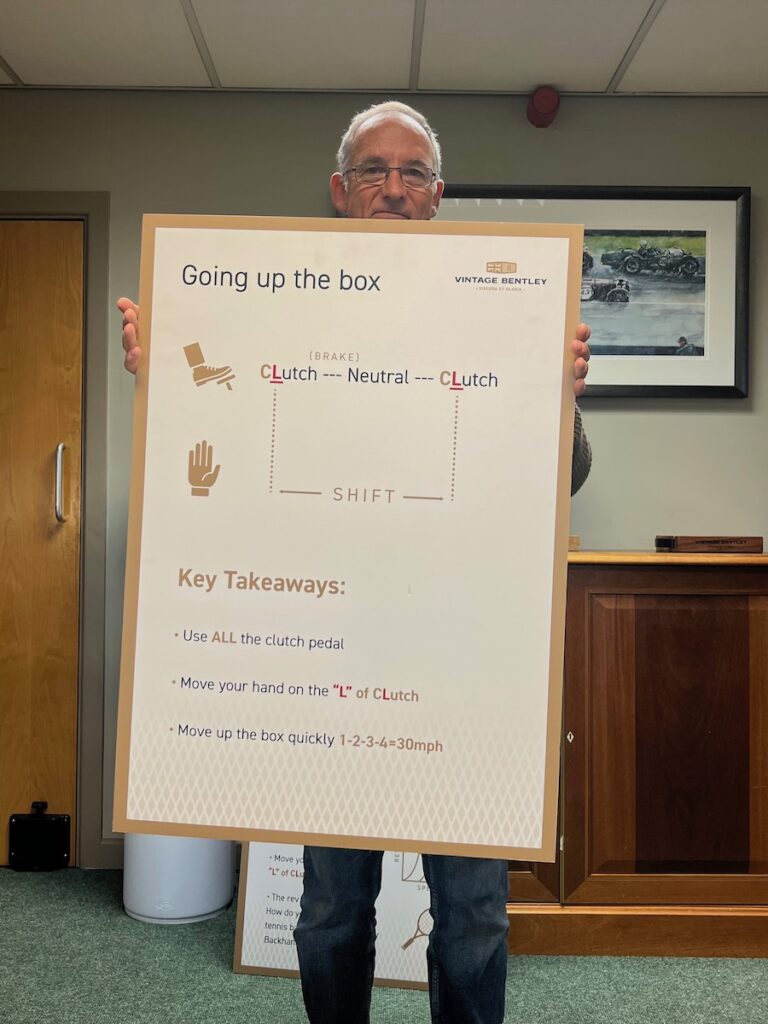
We then moved on to the pre-start briefing, where several of the car’s peculiarities were explained through clear and highly effective schematic diagrams, complemented by Rats’ excellent teaching skills.
The key points were as follows:
- The clutch brake is used to slow the gearbox shafts, making it easier to engage a gear when the vehicle is stationary or when shifting into a higher gear.
- Correct gearbox operation is essential not only for the safe driving of the car but also for preserving its mechanical integrity. This is a characteristic shared by most pre-war cars equipped with non-synchromesh gearboxes.
- The clutch must be used through its full travel when shifting both up and down. You do not disengage or engage the clutch halfway through its stroke.
- The four gears should be shifted up fairly quickly in order to reduce stress on the transmission. Every gear change should be carried out smoothly and without forcing the lever.
- When downshifting, there is one golden rule: never exceed 3,500 rpm. Gears should always be selected sequentially, avoiding shifts such as going directly from fourth to second gear.
- Double (de)clutching must be performed in a clearly defined sequence – yet as quickly and smoothly as possible – with particular attention paid to giving the engine a decisive throttle blip between gear changes.
“Rats” took the wheel for the first few miles as a demonstration drive. It was a cool, dry early autumn day and, as always, the South of England countryside was absolutely magnificent. The perfect setting to get acquainted with YU1198.
Before long, “Rats” pulled over and handed me the wheel as we continued towards Goodwood, where he had a pleasant surprise in store for me.
The gearbox was very firm, and I managed not to mistreat it too badly, particularly when downshifting from fourth to third. However, it was between third and second that my ego took a serious hit. The gearbox protested with repeated and unpleasant grinding noises that assaulted my ears.
“Rats” smiled.
“This 4½-litre engine has nothing in common with the 2.3-litre engine in your Bugatti. Here you’ve got much more inertia and torque to manage. Be far more decisive with your throttle blips to properly synchronise the engine, clutch and gearbox, and keep a good rhythm in your movements.”
I quickly got used to having to drop my right shoulder to reach the gear selector, which sits right next to my right leg.
Thanks to Rats’ advice, I quickly solved my downshifting problem, but another major embarrassment was about to occur elsewhere.
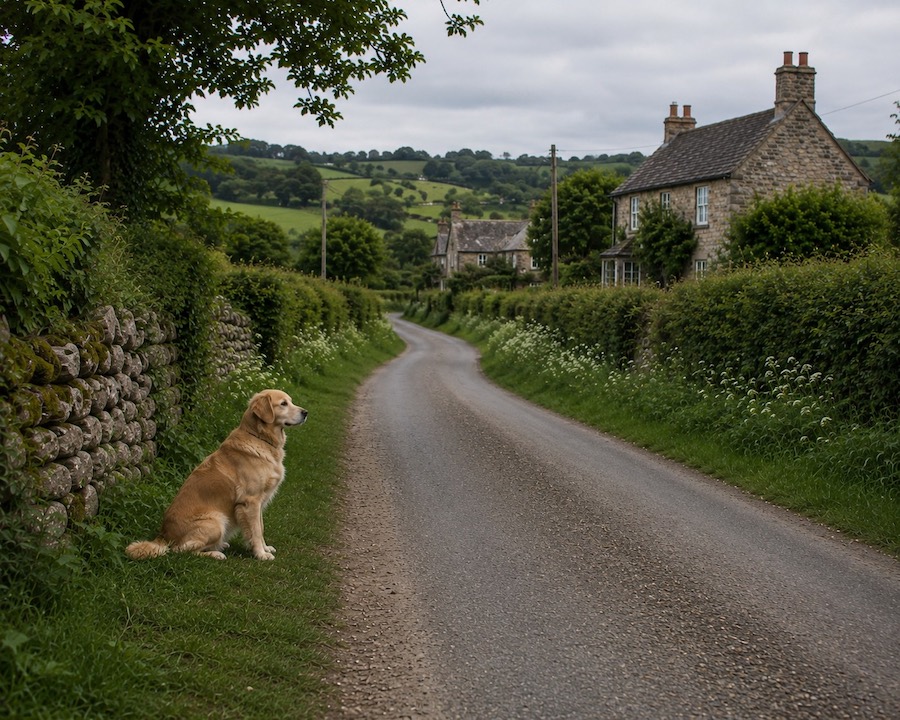
As I was comfortably driving along a small country road – admittedly a little narrow, but completely free of traffic – on our way to Goodwood, “Rats” suddenly jolted me out of my comfort zone by shouting:
“Watch out for the dog! Brake! Brake!”
While frantically searching for this supposed dog in every possible direction, my foot instinctively landed in the middle of the three pedals. Instead of braking, I accelerated -having completely forgotten that the accelerator pedal sits in the middle of the pedal box, not the brake!
My adrenaline level instantly shot into the red.
In disbelief, I turned towards “Rats” and saw that he was laughing uncontrollably.
“Where on earth did you see that damned dog?” I asked – or rather shouted.
“Rats” looked at me with a broad grin.
“A dog? what dog?” he said. Then, becoming slightly more serious, he continued: “I wanted to teach you a vital lesson about driving this Bentley – especially regarding emergency braking. If you ever need to stop in a hurry, instantly stamp your left foot on the clutch pedal at the far left and your right foot on the brake pedal at the far right. Literally spread your legs apart. Once you’ve driven the car regularly, your brain will eventually reprogramme itself to account for the accelerator being located in the middle.”
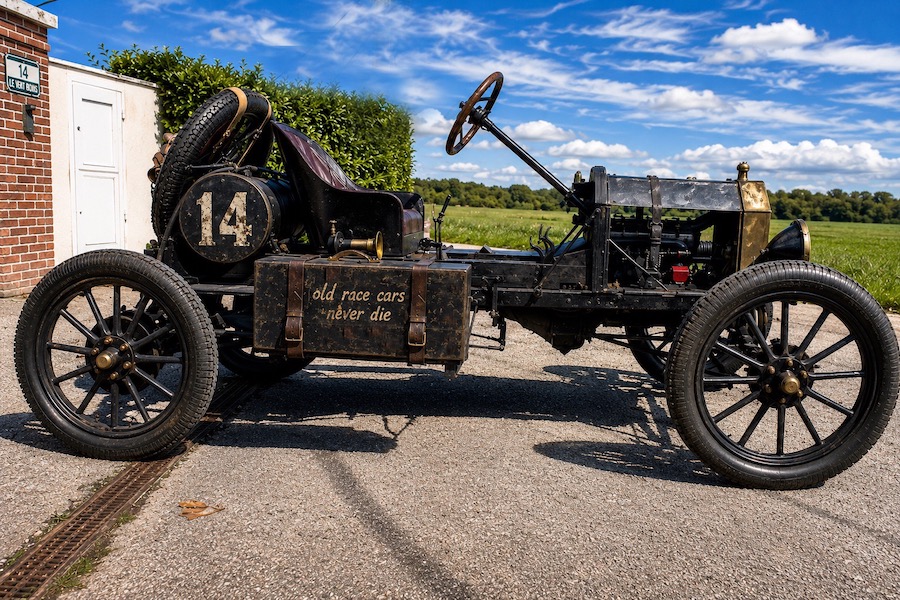
The embarrassing episode reminded me of another of our cars whose pedal layout can be equally bewildering at first glance: our 1911 Ford T Speedster.
- The throttle is mounted on the steering wheel—along with the ignition advance control. There is no accelerator pedal at all.
- The pedal on the right is not the accelerator; it is the brake.
- Fully depressing the left pedal engages first gear, while releasing it engages second gear. Neutral is found halfway through the travel of that same pedal.
- The clutch is operated by a hand lever. Still following?
- The third and final pedal, located in the centre, serves only to engage reverse gear. In other words, if you press that pedal while driving, believing it to be the brake, you will instantly destroy the Ford T’s planetary (epicyclic) transmission!
About thirty minutes later we arrived at Goodwood, by which time I had become the best of friends with YU1198’s gearbox. Just as “Rats” had warned me, the quick, almost instinctive double-declutching technique I used on our Bugatti Type 35B needed to be smoother in the Bentley 4½ Litre – particularly the throttle blip between shifts.
“Rats” then pointed towards the famous Goodwood airfield, from which many of the pilots trained to fly Hurricanes and Spitfires during the Second World War took to the skies.
It was also from this airfield – then known as RAF Westhampnett – that fighter groups of the United States Eighth Air Force launched some of their first operational missions alongside the Allies, one of the earliest being the infamous Dieppe Raid.
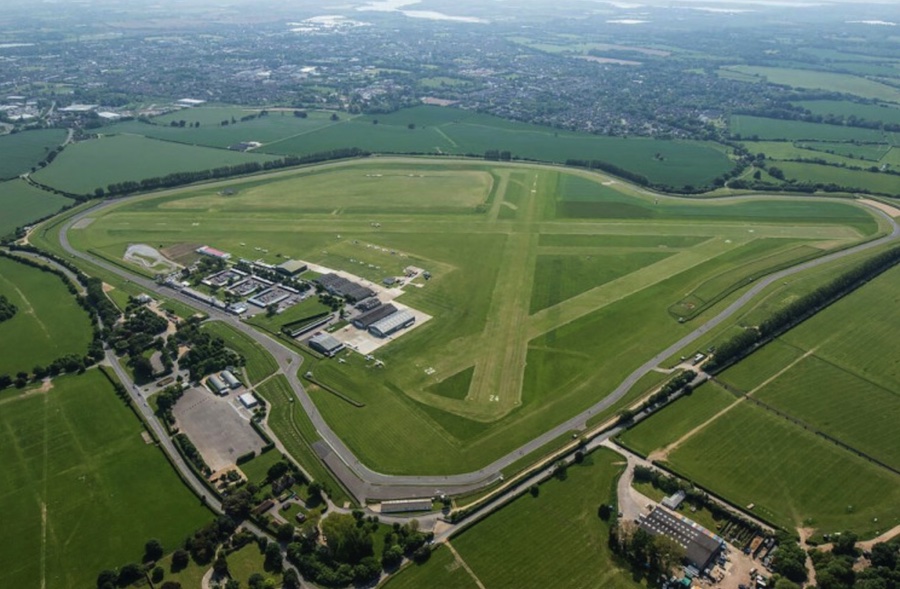
After the war, Frederick Gordon-Lennox, 9th Duke of Richmond and owner of the estate, realised that the perimeter road surrounding the airfield would make an excellent motor racing circuit. The “Goodwood Motor Circuit” was officially inaugurated in September 1948 and hosted Britain’s first post-war motor race. Goodwood soon became the cradle of British motor racing and the natural successor to Brooklands – the world’s first purpose-built motor racing circuit – which never reopened after suffering extensive damage during the Second World War.
We parked in front of a building bearing the sign “Spitfires.com”. Before refitting the tonneau over YU1198’s driving compartment to protect it from a possible rain shower, “Rats” said with a mischievous smile:
“If you love aircraft as much as pre-war cars, you’re in for a treat.”
As it turned out, he was absolutely right, and the experience was pure delight.
Several Supermarine Spitfires – true icons of the Battle of Britain – were parked both inside and outside the hangar. There were four aircraft in total, including two two-seat examples used by Spitfires.com for passenger flight experiences. That’s when I found out that “Rats” was also a Spitfire pilot for Spitfires.com, taking people up for pleasure flights. What a guy Rats!”
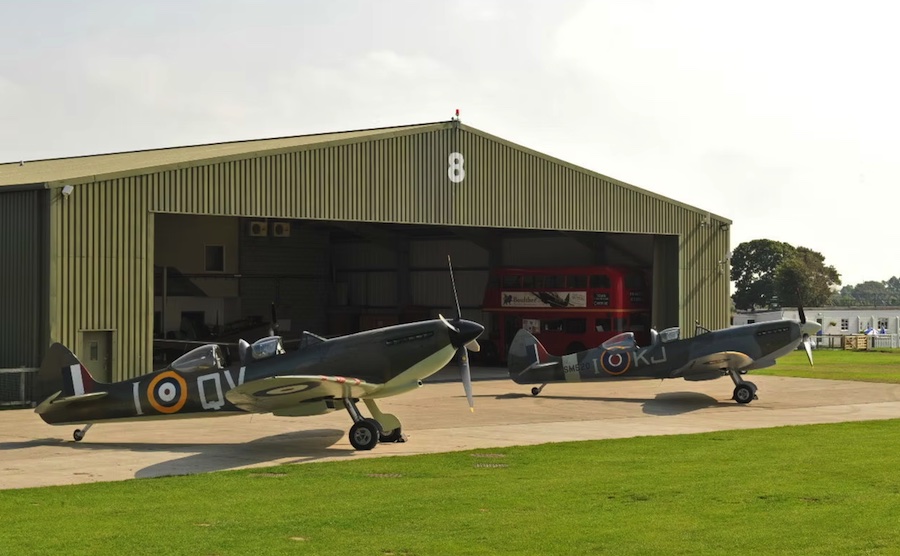
Nearby, mechanics were hard at work on a gigantic Rolls-Royce Merlin V12 engine. With a displacement of almost 27 litres, the engine was awaiting reinstallation in an aircraft standing apart from the others.
The atmosphere immediately reminded me of a painting I purchased some twenty years ago which now hangs on one of the walls of our garage. In it, the artist Peter Miller depicts a Spitfire parked behind a Bentley Blower carrying the registration number GY7847.
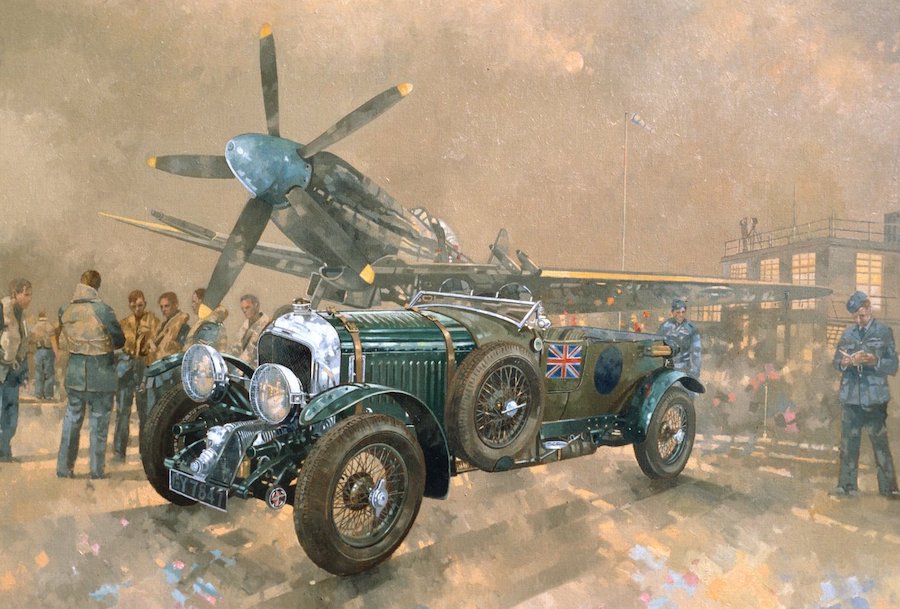
Although the painting is an artistic interpretation (the Bentley was a Saloon car back then), the atmosphere it conveys is remarkably similar to what I was witnessing that day. Two icons standing side by side, reflecting a particularly extraordinary era of history.
The drive back to Vintage Bentley premises provided an opportunity to refine the art of double-declutching and to fully appreciate the capabilities of YU1198, all under the watchful and encouraging eye of “Rats”.
The conclusion of this experience is that every car has its own unique characteristics, and the double-(de)clutching technique required in the 4½ Litre demands the same adaptation as many other pre-war cars.
Regular practice and a thorough understanding of the vehicle undoubtedly help to improve both proficiency and smoothness behind the wheel.