
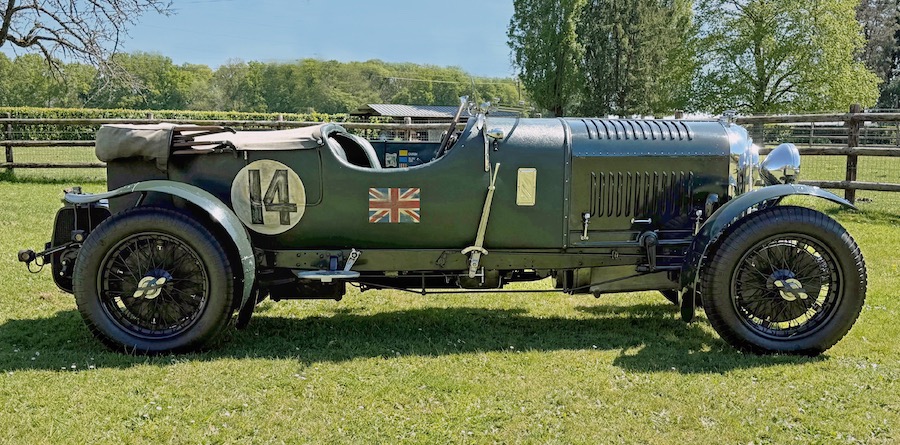
There are few automotive colours as evocative, romantic, and instantly recognizable as “British Racing Green”. It is more than paint. More than tradition. More even than motorsport identity. British Racing Green – or “BRG” – became a visual shorthand for speed, engineering elegance, and the golden age of British motoring.
And no manufacturer embodied that spirit more powerfully than Bentley which helped transform British Racing Green from a national sporting colour into a cultural icon.
The Origins of British Racing Green
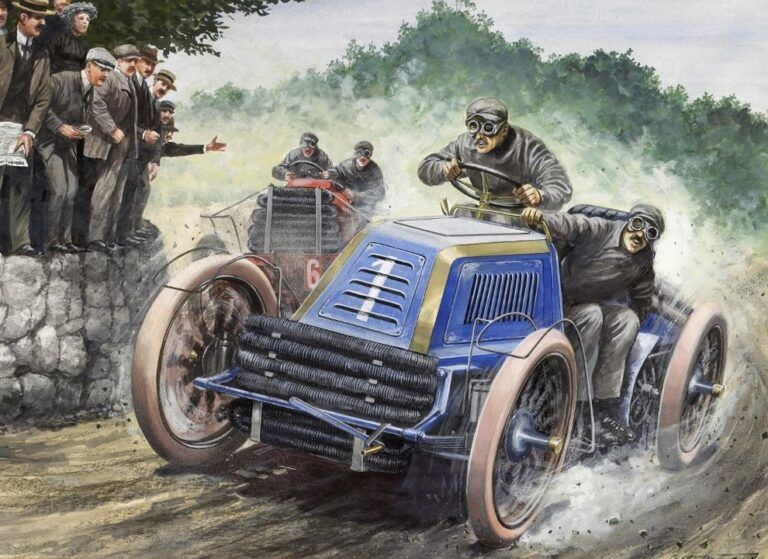
The story begins not with Bentley, but with the “Gordon Bennett Cup” races of the early 1900s. The race was created in 1900 by James Gordon Bennett Jr., the wealthy American publisher of the New York Herald. Bennett was fascinated by technology, speed, aviation, and adventure sports. He sponsored six races in total to stimulate innovation and publicity: the first three and the sixth were held in France. The fourth was held in Ireland and the fifth was in Germany.
At the time, the automobile was still new and unreliable. The Gordon Bennett Cup was designed to encourage manufacturers from different countries to compete and improve their engineering.
The rules were simple:
– each nation entered with 3 cars representing their country (the drivers had to be of that nationality as well),
– cars had to be built entirely in the entrant’s nation,
– and the winning country earned the right to host the next race.
This national format turned the race into a mix of engineering contest, patriotic competition, and publicity spectacle.
The first races were held mainly on long public-road routes through France for several interconnected reasons: France was the world center of the early automobile industry with many dominant manufacturers (Panhard, Mors, De Dion-Bouton, Peugeot, Renault, etc), French authorities were relatively tolerant toward road racing, and the country already possessed a huge road infrastructure and an enthusiastic motoring culture.
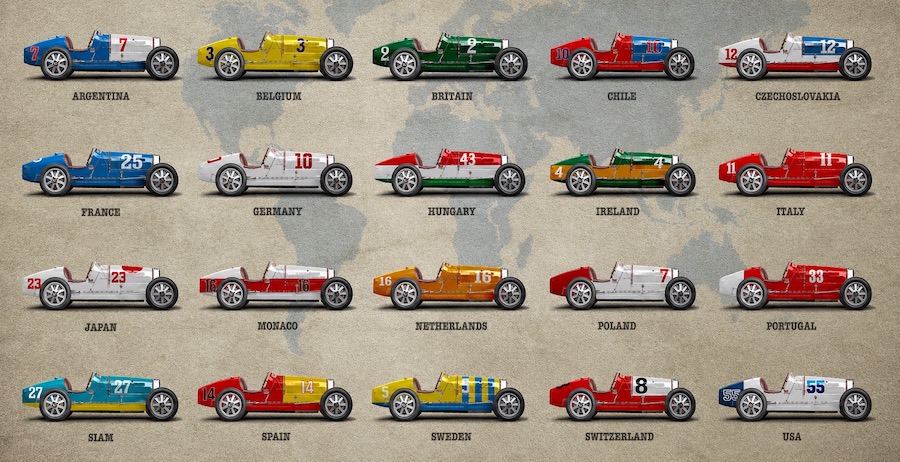
In an era before modern race numbers, commercial liveries, or broadcast coverage, and at the dawn of international motor racing, spectators needed a simple way to identify competing nations at high speed: each country gradually adopted its own distinctive racing colour. France raced in blue. Italy adopted red. Germany used white, later evolving into silver, Spain chose red and yellow, etc.
Because Britain had won the 1902 event with a green Napier driven by Selwyn Edge (he had covered the challenging route from Paris, France to Innsbruck, Austria), the 1903 race should have been held in the United Kingdom. At the time, motor racing on public roads was illegal in United Kingdom, but Irish authorities allowed the event to take place on closed roads in County Kildare and nearby counties.
As a gesture of appreciation to Ireland, the British team chose a deep shamrock-inspired green instead of the reds, whites, and blues already associated with other nations.
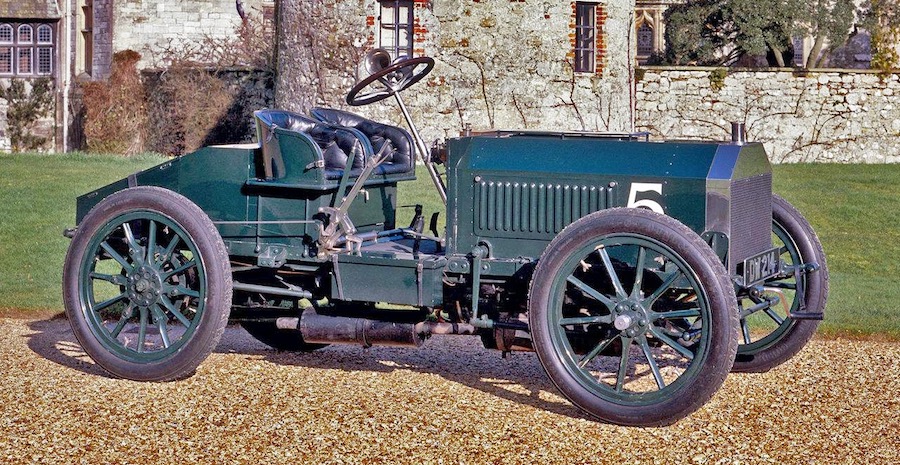
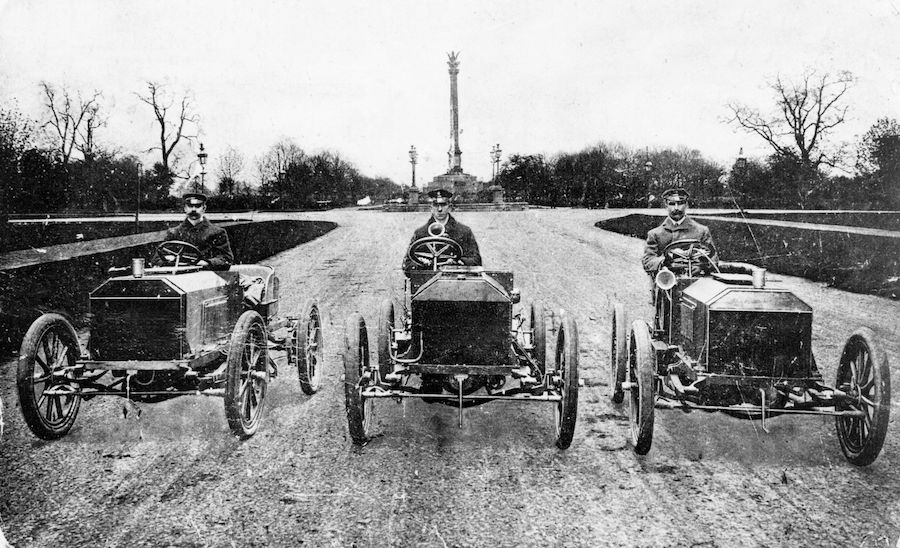
The 1903 Gordon Bennett’ s race was one of the earliest large-scale road-racing events ever organized with formal traffic controls and marshals. Some historians say this race still holds the record of the biggest sports event in Ireland when more than 150.000 attended to see cars crossing the finish line!
British Racing Green’s variations
Interestingly and historically speaking, the name “British Racing Green” or “BRG” came long after the adoption of the color: it was first mentioned during the 1929 Monaco Grand Prix, describing the Grover-Williams’s Bugatti.
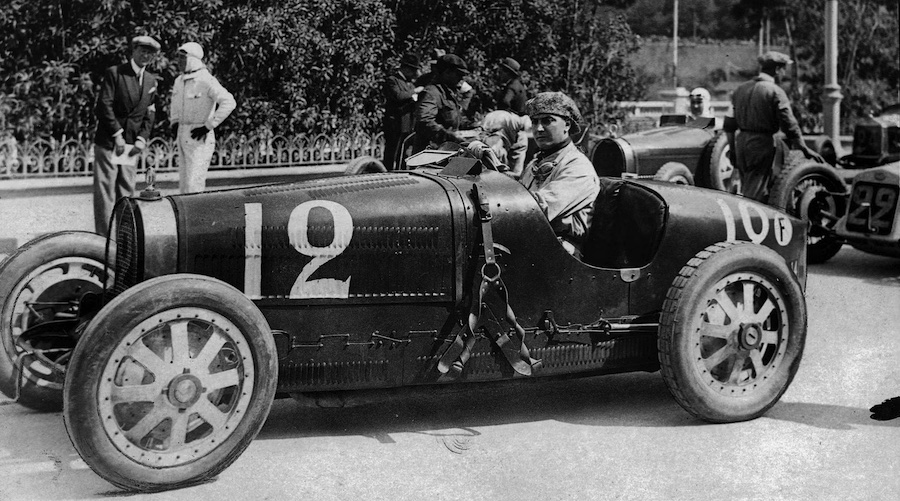
“British Racing Green” was never one exact shade but a family of greens developed over more than a century of British motor racing and automotive design. Its variations emerged from:
– different manufacturers,
– hand-mixed coachbuilder paints,
– changing paint technologies,
– racing requirements,
– and evolving aesthetic tastes.
Early versions ranged from bright shamrock tones to deep olive and nearly black greens. Paint technology was inconsistent, coachbuilders mixed colours by hand, and each manufacturer developed its own interpretation.
This range of different greens has become more pronounced over the years: Bentley often used darker olive, deep forest or Brunswick greens whilst Sunbeam and the original British Talbot company (Clément-Talbot) used a “medium-dark” variation. Jaguar used rich deep greens in the 1950s whilst Aston Martin and Lotus favored slightly brighter hues and several famous metallic versions. That flexibility is one reason “British Racing Green” survived long after national racing colours disappeared from professional motorsport.
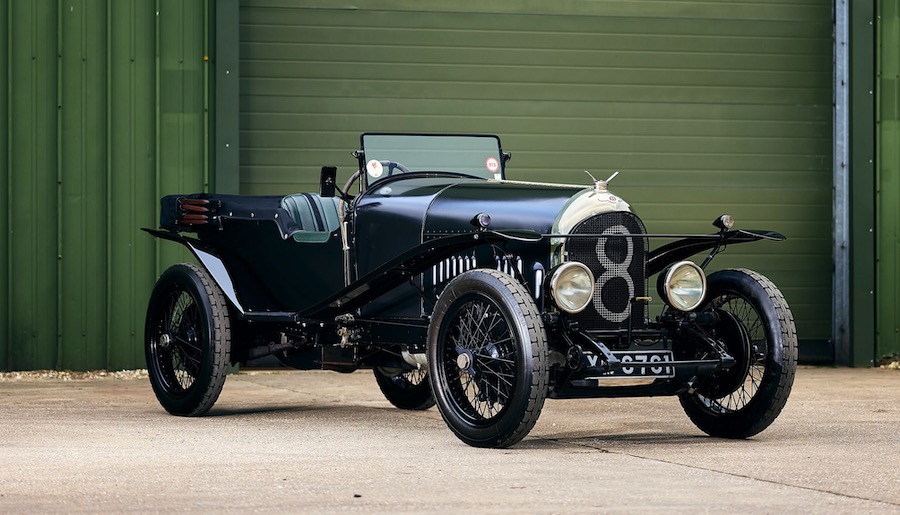
The famous Bentley’s British Racing Green
An important aspect of Vintage Bentleys is that no universal Bentley paint catalogue truly existed during the 1920s. Wealthy Vintage Bentley owners often commissioned bespoke paint and trim combinations to assigned coachbuilders. These combinations were often black and cream, grey, or blue or burgundy and black, polished aluminum, etc. They reflected upper-class British tastes of the era.
W. O. Bentley strongly believed in competition as proof of engineering quality. When Bentley began serious racing efforts especially at Le Mans, and in endurance racing, their cars naturally appeared in Britain’s established green national racing color. There is no evidence that W. O. Bentley personally sat down and declared: “Bentleys shall be British Racing Green.” Rather, it was understood conventionally and culturally.
Some automotive legends are born from engineering. Others emerge from victory on the racetrack. But a select few are remembered for something far more emotional – a feeling, an atmosphere, a visual identity that becomes inseparable from the machines themselves. For Bentley, that identity is undeniably British Racing Green.
The connection was cemented during Bentley’s golden motorsport years, particularly at the legendary 24 Hours of Le Mans. Between 1924 and 1930, Bentley won Le Mans five times. The factory Works cars, driven by the glamorous and daring wealthy enthusiasts, racers, adventurers, and aristocrats “Bentley Boys,” achieved a level of fame few manufacturers could rival.
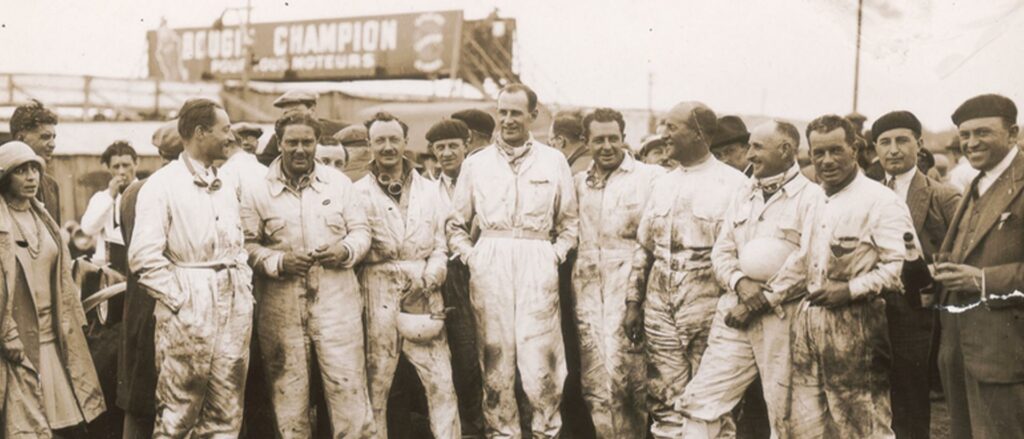
They drove hard, lived extravagantly, and transformed Bentley into an international icon of performance and prestige. Their racing cars, finished in British Racing Green, and their victories did more than establish racing credibility: they fused Bentley and British Racing Green permanently in the public imagination.
The image became unforgettable: massive green Bentleys charging through the night, headlights cutting through rain and fog while engines roared for 24 relentless hours!
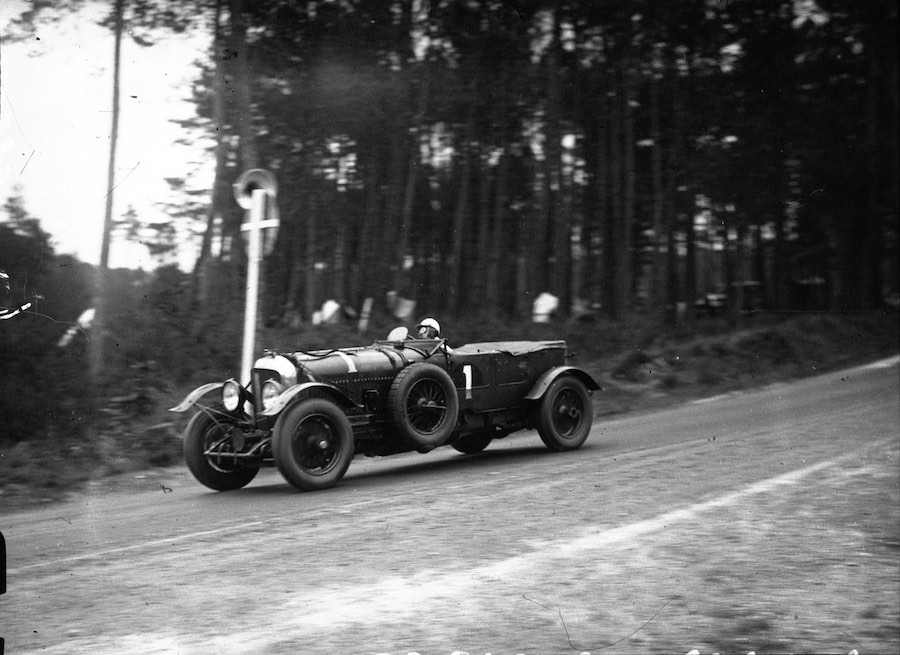
As automotive trends evolved through the decades, national racing colors were phased out in 1969, when Formula One relaxed their sponsorship regulations and allowed for race cars to sport their sponsors’ logos instead. Metallic silvers, whites, matte finishes, and high-contrast tones came to dominate luxury markets. Yet British Racing Green endured.
Part of its survival comes from its emotional connection to authenticity. In an increasingly digital and fast-moving world, the color evokes craftsmanship, tradition, and permanence. It reminds drivers of an era when automobiles were not disposable technology products but mechanical works of art.
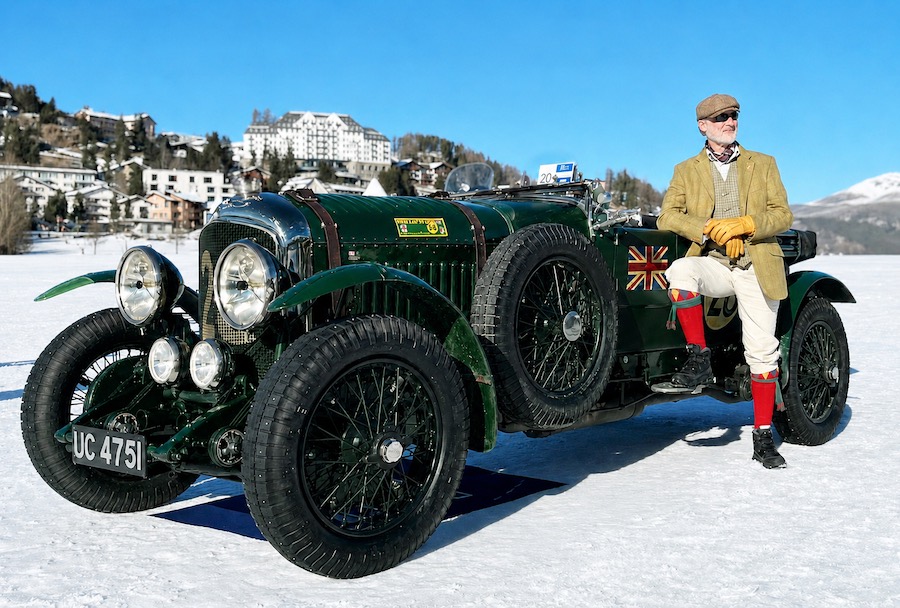
Bentley has embraced this emotional power carefully. Modern limited editions and bespoke commissions frequently revisit heritage-inspired green finishes, often combined with vintage-inspired interior details and racing references. For collectors, British Racing Green represents one of the purest expressions of Bentley identity. It links modern grand tourers directly to the brand’s racing legacy without appearing nostalgic or outdated.